Daily Huddles – Fundamentals You Need To Know
We get back to basics and explore the significance, attendees, timing, and effective conduct of Daily Huddles.
Updated 12 March 2025 2 min read
Do you want to ensure that the agreed targets are met in manufacturing? Or to keep improvement momentum, avoiding some backsliding following recent success? Daily huddles establish a regular communication cadence to keep clarity and focus for the team. It also provides a daily opportunity to identify opportunities and remove blockers. Let’s dive into how to make Daily Huddles, exploring their significance, who should attend, when they should happen, and how to conduct them effectively.
Understanding Huddles
A daily huddle is a concise meeting lasting 5-15 minutes, where teams discuss operational status, plan for the day, and collaboratively solve problems. Teams often gather around a visual management board, a crucial tool for tracking status and actions, especially in the realm of continuous improvement.
Why Daily Huddles Matter
Discover the myriad benefits that daily huddles bring to your team and organisation:
-
Track Progress Toward Goals: Keep a pulse on your team’s progress towards goals and key metrics.
-
Provide Clarity and Focus: Set the tone for the day, ensuring everyone is aligned with objectives.
-
Reduce Ineffective Communication: Minimise the need for lengthy emails and phone calls by addressing issues in real time.
-
Ensure Continuous Improvement: Keep the momentum of improvement efforts going every day.
-
Identify and Remove Blockers: Quickly identify and eliminate obstacles, preventing wasted time and energy.
-
Create Accountability and Increase Collaboration: Foster a sense of responsibility among team members while promoting collaboration.
Who Attends Daily Huddles?
Daily huddles are inclusive, involving team members and leaders. While team members and leaders are the primary attendees, visitors and co-workers are welcome. In manufacturing, different levels of management may participate in multiple huddles to ensure alignment within the organisation.
When Do Daily Huddles Happen?
While the beginning of each shift or day is a common time for daily huddles, flexibility is key. Choose a time that aligns with your team’s rhythm and routine, and always start on time, regardless of attendance.
Typical Daily Huddle Agenda
Follow a structured agenda for maximum effectiveness:
-
Review Previous Performance: Analyse the team’s performance based on selected Key Performance Indicators (KPIs).
-
Identify Deviations: Spot any deviations from expected performance and propose actions using standard problem-solving methods.
-
Check Status of Previous Actions: Ensure follow-up on actions from the previous day, addressing any barriers.
-
Discuss Daily Plan: Collaboratively plan for the day ahead.
-
Explore New Improvement Ideas: Encourage the team to share fresh ideas for continuous improvement.
Tips for Successful Daily Huddles
Enhance the impact of your daily huddles with these effective strategies. Start by ensuring that all metrics are up to date before the meeting. Hold team members accountable for their actions by listing them and ensuring accessibility. Keep the huddles brief and focused by adhering to the agreed-upon agenda. For more in-depth problem-solving discussions, consider scheduling separate meetings. Additionally, boosts overall efficiency by incorporating digital tools such as the Cyzag platform, which not only automates data presentation but also serves as a centralised source of truth for seamless collaboration.
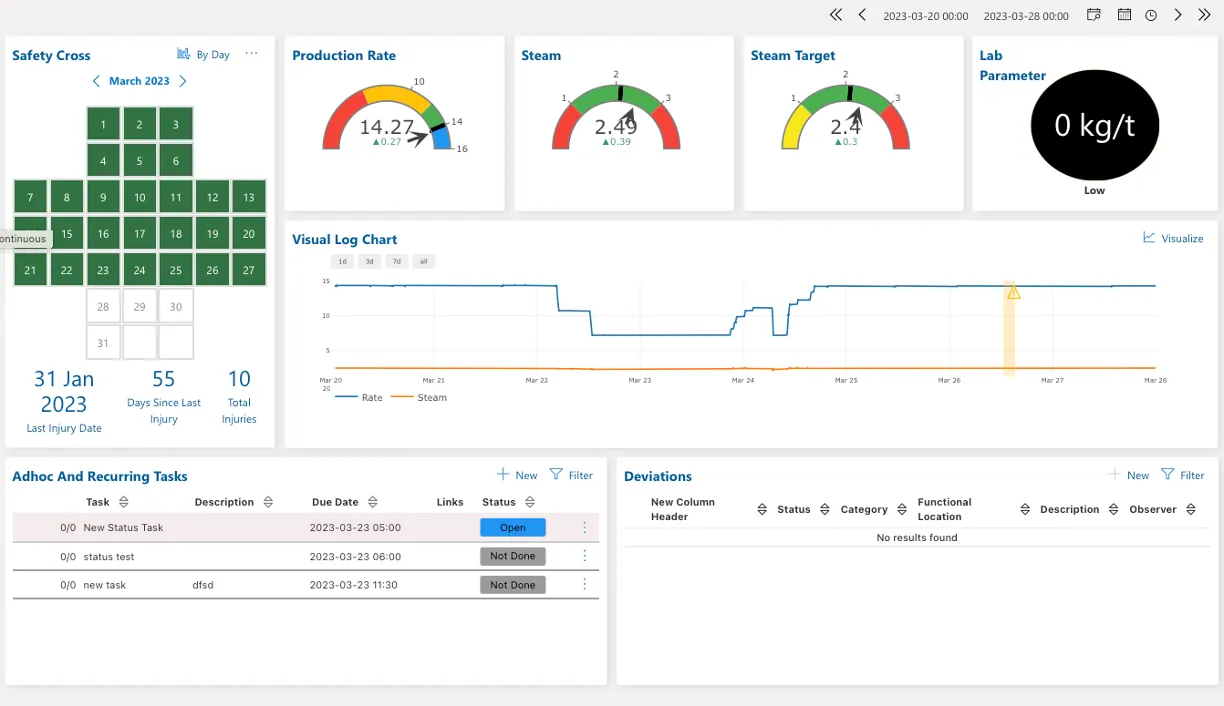 A Daily Huddle Visual Board on the Cyzag platform.
Book a demo with Cyzag today and witness how it can make your daily huddles easy, efficient, and accessible, unlocking the full potential of your team.
Follow Cyzag on LinkedIn for new articles and stories.