6 Barriers to Digital Success in Oil & Gas and How to Overcome Them
Discover the six major barriers holding back digital transformation in oil and gas and how platforms like Cyzag help overcome these challenges to unlock efficiency, sustainability, and growth.
8 min read
Rising demand for efficiency, decarbonisation goals, volatile energy markets, and the need for operational resilience are forcing Oil & Gas manufacturers to rethink how they operate. Digitalisation, from AI-powered predictive maintenance to integrated operations platforms, has moved from “interesting experiment” to “core strategy.”
The industry is responding: according to Deloitte’s 2025 Oil and Gas Industry Outlook, capital expenditure in oil and gas has surged 53% over the past four years, with a growing share directed toward digital and automation projects. Many of these investments are targeting sustainable innovations, such as real-time analytics and digital oilfields, that the World Future Energy Summit notes are already improving efficiency and lowering emissions.
But there’s a stark warning: manufacturers that hesitate risk falling irreversibly behind. As Deloitte cautions, companies stuck on the “digital plateau” are ceding value to more nimble competitors.
The good news? By analysing industry research and on-the-ground experience, we’ve identified six major barriers that stand between many organisations and digital success. In this article, we’ll explore each one and how to overcome them, while showing how Cyzag can help turn ambition into lasting results.
Understanding the Digital Plateau
While many manufacturers have begun their digital journey, Deloitte warns that too many stalls are on what it calls the “digital plateau”. This plateau occurs when companies adopt digital tools in pockets, often through pilots or partial rollouts, but fail to embed them into core operations. The result is limited ROI, siloed data, and unrealised potential.
Critically, the plateau can create a false sense of maturity. An organisation may feel “digital” because it has implemented certain technologies, but without full integration, these tools are underutilised. Competitors who push past this stage, embedding digital capabilities into decision-making, workflows, and culture, consistently achieve greater efficiency, safety, and profitability.
Breaking through requires more than just buying the right tools. It demands strategy, cultural change, and operational discipline. Drawing on insights from Deloitte, EY, and the World Future Energy Summit, six recurring barriers emerge that hold oil and gas manufacturers back from achieving the full value of digital transformation.
The 6 Barriers to Digital Success
1. IT and OT Silos Limiting Data Integration
IT and Operational Technology (OT) teams often operate in silos, resulting in fragmented systems that hinder the flow of actionable insights. Deloitte identifies IT–OT convergence as a crucial enabler for operational efficiency and real-time decision-making. Similarly, the World Future Energy Summit emphasises that integrated digital solutions are essential to optimising operations and meeting sustainability targets.
Cyzag’s approach to dismantling these silos involves leveraging digitalisation to unify disparate data sources, enabling seamless communication between IT and OT systems. By implementing a unified digital operations platform, organisations can achieve real-time visibility, streamline workflows, and enhance collaboration across departments. This integration not only enhances operational efficiency but also facilitates data-driven decision-making, resulting in more agile and responsive operations.
2. Unclear Digital Value and Strategy Alignment
A frequent obstacle is the lack of a clearly defined digital strategy aligned with business goals. Deloitte highlights that “defining and tracking digital value remains inconsistent across organisations,” leading to fragmented efforts and unclear ROI. Similarly, EY stresses the need for measurable KPIs tied directly to digital initiatives to ensure investments deliver tangible impact.
Successful transformation demands more than just starting projects. It requires setting clear deliverables, tracking measurable results, and tying them directly to business objectives. The real power comes when these results flow into everyday operational KPIs, making improvements visible, actionable, and sustainable. The Cyzag Platform unites project tracking and KPI management in one connected system, ensuring every digital initiative is measured, monitored, and aligned with strategic priorities. This transparency bridges the gap between long-term transformation goals and the daily performance that drives lasting success.
3. Challenges Scaling Beyond Pilots
While many companies pilot promising digital projects, scaling these solutions across the organisation often stalls. Deloitte warns that without effective governance and agile execution, digital initiatives struggle to move beyond isolated successes. EY similarly notes that rigid processes can prevent wider adoption, limiting the potential value of promising pilots.
A key way to overcome these hurdles is to gain engagement from the outset. When frontline teams are involved early in designing and implementing solutions, processes are more likely to fit their daily workflows, encouraging adoption and enabling scaling across the organisation.
User-centric design is essential; digital tools must integrate seamlessly into existing operations and be easy to use. No-code platforms can accelerate this by empowering citizen developers: operational experts with limited coding skills who can build and customise solutions themselves. This fosters ownership and agility, ensuring that digital tools evolve in line with user needs.
4. Workforce Readiness and Technology Adoption
Workforce readiness is a critical factor in realising digital transformation benefits. EY stresses that adoption depends on effective training paired with tools that truly support workers’ daily activities. Complex or poorly designed systems risk low engagement and limited use.
Similarly to the challenges above in scaling beyond pilots, ensuring digital tools fit naturally into existing workflows is key. This often means replacing outdated methods like paper forms and Excel spreadsheets with streamlined digital platforms. Doing so reduces errors, saves time, and increases transparency and ease of management.
Furthermore, involving employees early in design and continuously gathering feedback helps embed these tools into daily routines. Demonstrating clear benefits such as faster decision-making and improved accuracy builds trust and motivates sustained use.
5. Resistance to Cultural and Organisational Change
The oil and gas industry’s traditionally risk-averse culture can be a significant barrier to digital adoption. Deloitte highlights that embracing change and building trust in new technologies are essential to unlocking the full value of digital transformation. Without this cultural shift, even the most advanced tools may go underused or be met with scepticism.
Building a culture that welcomes digital initiatives requires deliberate effort across all levels of the organisation. Leadership must not only endorse digital strategies but also actively model openness to change. Celebrating small wins, such as successful pilot projects or process improvements, creates positive momentum and demonstrates tangible benefits, reducing resistance over time.
Employee involvement is also key. When teams participate in shaping how digital tools are adopted and adapted, they develop ownership and a sense of agency rather than feeling that change is imposed upon them. Transparent communication about goals, expectations, and how digital transformation aligns with both individual and organisational success helps build trust.
Moreover, fostering a learning mindset, where experimentation is encouraged and failure is seen as part of progress and can break down the fear of the unknown. Training programs, peer learning, and easily accessible support with team champions empower employees to grow their digital skills confidently.
Ultimately, the technology itself is only part of the equation. A resilient, adaptable culture that values innovation and continuous improvement lays the foundation for sustainable digital success.
6. Underuse of AI and Advanced Analytics
Despite significant investments in AI and analytics, many organisations struggle to integrate these capabilities into everyday operations. Deloitte underscores the need to “operationalise” analytics, turning insights into immediate actions. Similarly, the World Future Energy Summit highlights the importance of embedding AI-driven decision support directly into workflows.
Making advanced analytics accessible and actionable at the frontline is key to realising their full value. Cyzag addresses this challenge by integrating a generative AI chatbot within its platform. This AI assistant enables users to retrieve information quickly, whether it’s locating a specific report, checking batch records, or viewing Overall Equipment Effectiveness (OEE) data. By providing intelligent search functionalities, the chatbot ensures that critical insights are readily available to those who need them most.
Furthermore, the AI chatbot facilitates real-time discussions around operational data, such as root cause analysis and performance comparisons. This interactive approach not only enhances data accessibility but also fosters a culture of continuous improvement by encouraging collaborative problem-solving and data-driven decision-making.
See three real-world use cases: https://www.cyzag.com/ai-manufacturing-examples/
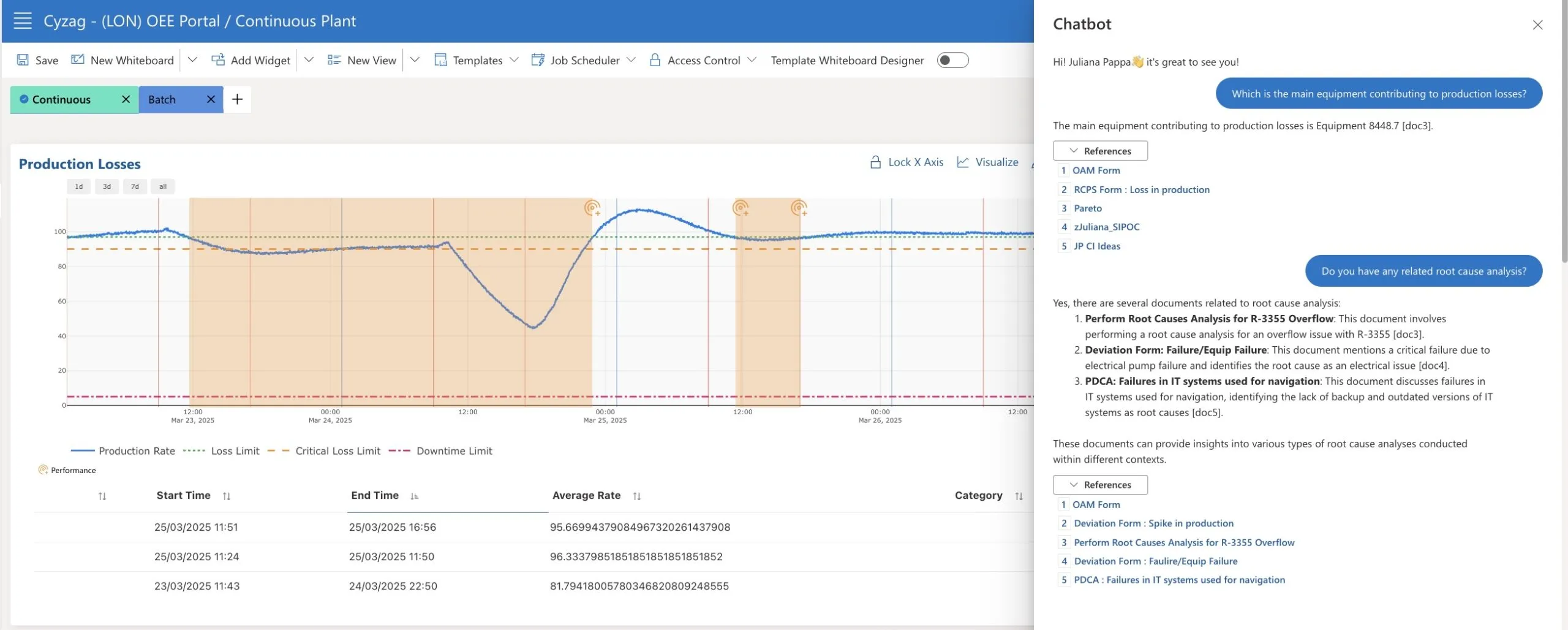
Image 1: AI Chatbot in the Cyzag platform
How Cyzag Accelerates Digital Transformation in Oil & Gas Manufacturing
Cyzag is a digital operations platform built to empower oil and gas manufacturers to navigate the complexities of digital transformation with confidence. By seamlessly integrating data from multiple systems into one intuitive interface, Cyzag provides a single source of truth that drives transparency and faster decision-making.
Its no-code design philosophy puts the power of innovation directly in the hands of operational teams, enabling them to build and adapt solutions that fit their unique workflows without relying on IT bottlenecks.
Cyzag replaces cumbersome, manual processes such as paper forms and spreadsheets with streamlined digital workflows that improve accuracy, reduce delays, and enhance compliance. With embedded advanced analytics and AI-driven assistance, the platform transforms raw data into actionable insights, supporting smarter operations and continuous improvement.
Above all, Cyzag fosters a culture of collaboration and agility, helping organisations embrace change by delivering measurable value early and often. This end-to-end approach ensures oil and gas manufacturers are not only equipped to keep pace with today’s evolving demands but positioned to lead the future of digital innovation.
Conclusion
The oil and gas industry stands at a critical crossroads. Strategically executed digital transformation, combined with robust financial positioning, sustainable innovations, and agility in adapting to policy shifts, will define the sector’s trajectory into 2025 and beyond. However, success hinges on one crucial factor: equipping the workforce with the digital skills to harness the full potential these advancements promise.
Platforms like Cyzag play a vital role in this journey by simplifying complex data integration, empowering teams through intuitive tools, and embedding AI-driven insights directly into daily operations. By fostering a culture of collaboration and continuous learning, Cyzag enables organisations to move beyond pilot projects and digital plateaus, turning digital ambition into lasting operational excellence and competitive advantage.
Book a demo with Cyzag today and discover how our platform can help you overcome the barriers you face.
Follow Cyzag on LinkedIn for new articles and stories.