The Power of Visual Management: Keep it Simple And Visual
Learn how visual aids, like performance boards and digital tools, facilitate communication, decision-making and continuous improvement.
Updated 18 May 2025 4 min read
Let’s start this article with a test: How would you interpret the picture below?
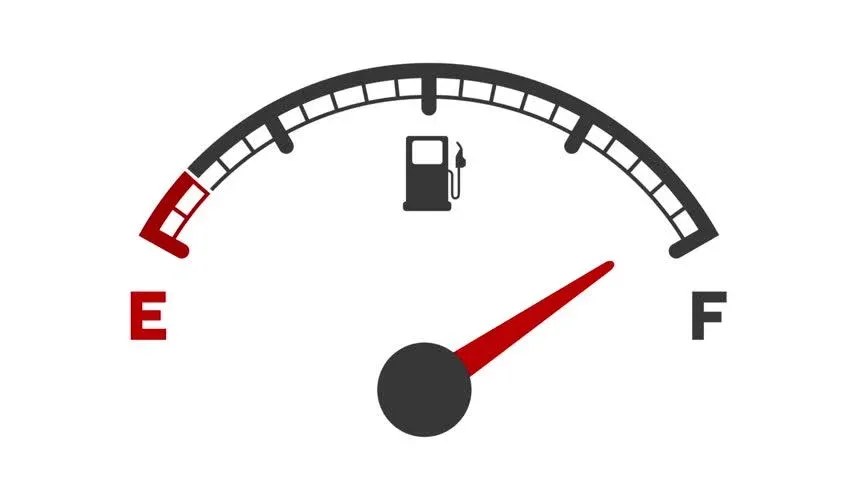
Unless you have lived your life in a remote community or you don’t drive, the picture above illustrates a fuel gauge. This gauge shows the fuel tank is almost full (pointer close to the “F” letter). It is simple to know when it will need to be refilled: when the pointer goes close to the red area and the “E” letter = empty tank.
This example is quite simple but illustrates the power of visual management. Our daily lives are full of graphical models such as traffic lights, road signs, emoticons, graphs, etc. It can also be a powerful way to increase clarity and priorities in the working environment, leading to better performance.
This article explores the power of visual management in enhancing clarity and efficiency in the workplace. Learn how visual aids, like performance boards and digital tools, facilitate communication, decision-making, and continuous improvement. Thus ultimately fostering a culture of efficiency and accountability.
Why Visual Management Matters
According to the 3M Corp, people can process visuals 60,000 times faster than text, and an average person only remembers about one-fifth of the information they hear.
Visual management aims to communicate things intuitively, in such a simple and self-explanatory way that there is no (or very little) need for interpretation. So, in an industrial environment, it can be helpful in various areas such as communicating safety practices (necessity of PPEs, safe routes), stock levels, quality situations and managing tasks and performance, enabling continuous improvement.
Enhancing Communication and Decision-Making
When visual management is used to track performance, goals are developed and displayed for all to see, and it’s possible to understand how the team performs against a target “at a glance”. It also communicates critical issues and priorities in the area, improving transparency since it eliminates different versions of the truth, aligning the teams through clear and shared goals. Only the most essential information should be added to performance boards.
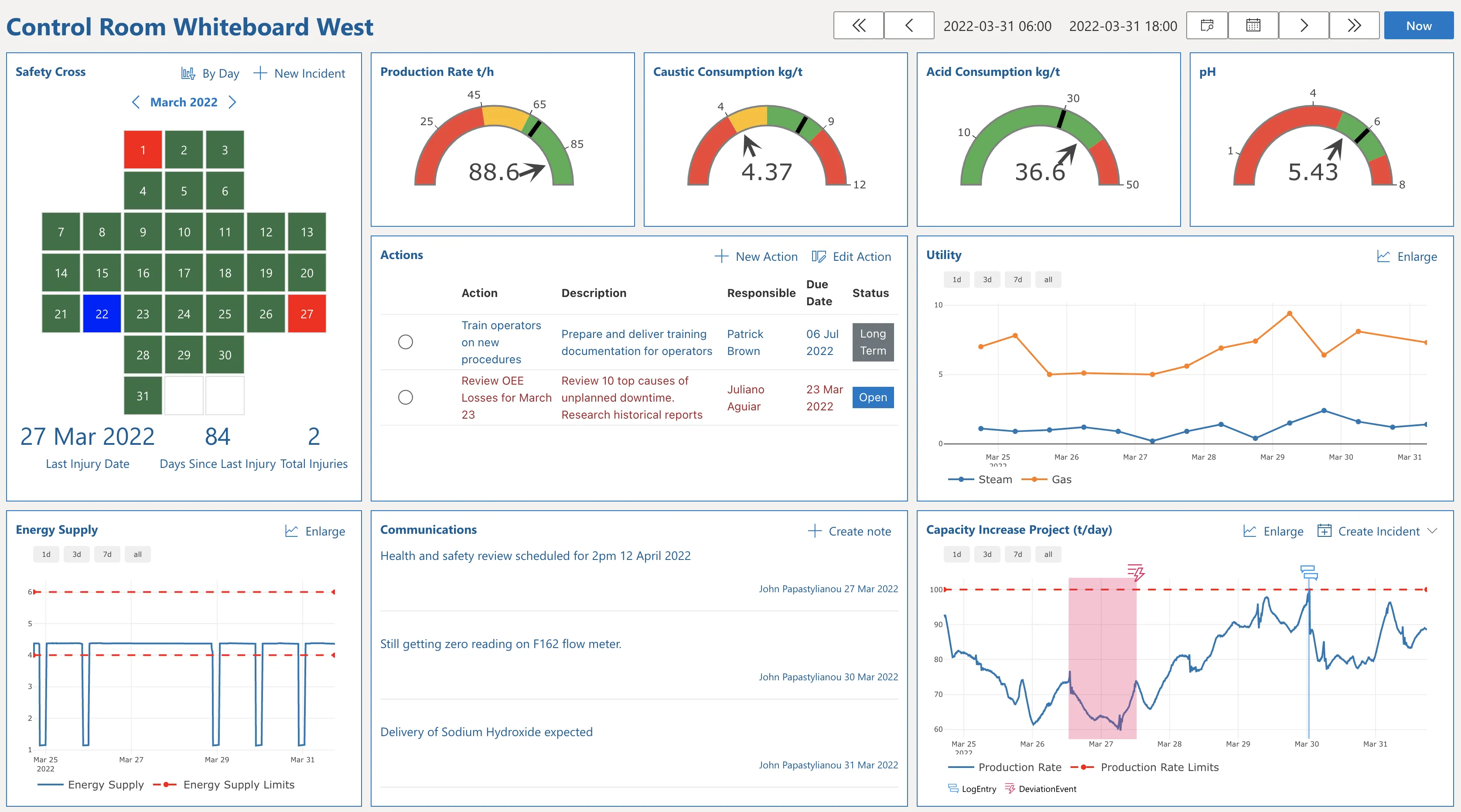 Image 1: A digital whiteboard in the Cyzag platform from a production area showing primary performance data, actions, and communications
By having precise and updated data, the teams can discuss results together, set actions to correct deviations as soon as possible and exercise autonomy and accountability.
The status onsite is also clear to managers and people from other teams.
Similarly, it’s also helpful in driving other groups to look at problems as a multidisciplinary team, creating a proper environment for listening, collaboration and resolution of issues. This all facilitates consensus between Manufacturing and Continuous Improvement.
Integrating Visual Management with Work Processes
It is key to remember that what is visual is important. This means that if the information is not essential and doesn’t need to be discussed, it does not need to be added to visual boards. Another crucial element is that standard work processes and visual communication need to work hand-in-hand. The effectiveness of both is multiplied when they are designed to work together. The boards do not work alone; people need to look at and discuss the issues regularly, taking action to keep things on track.
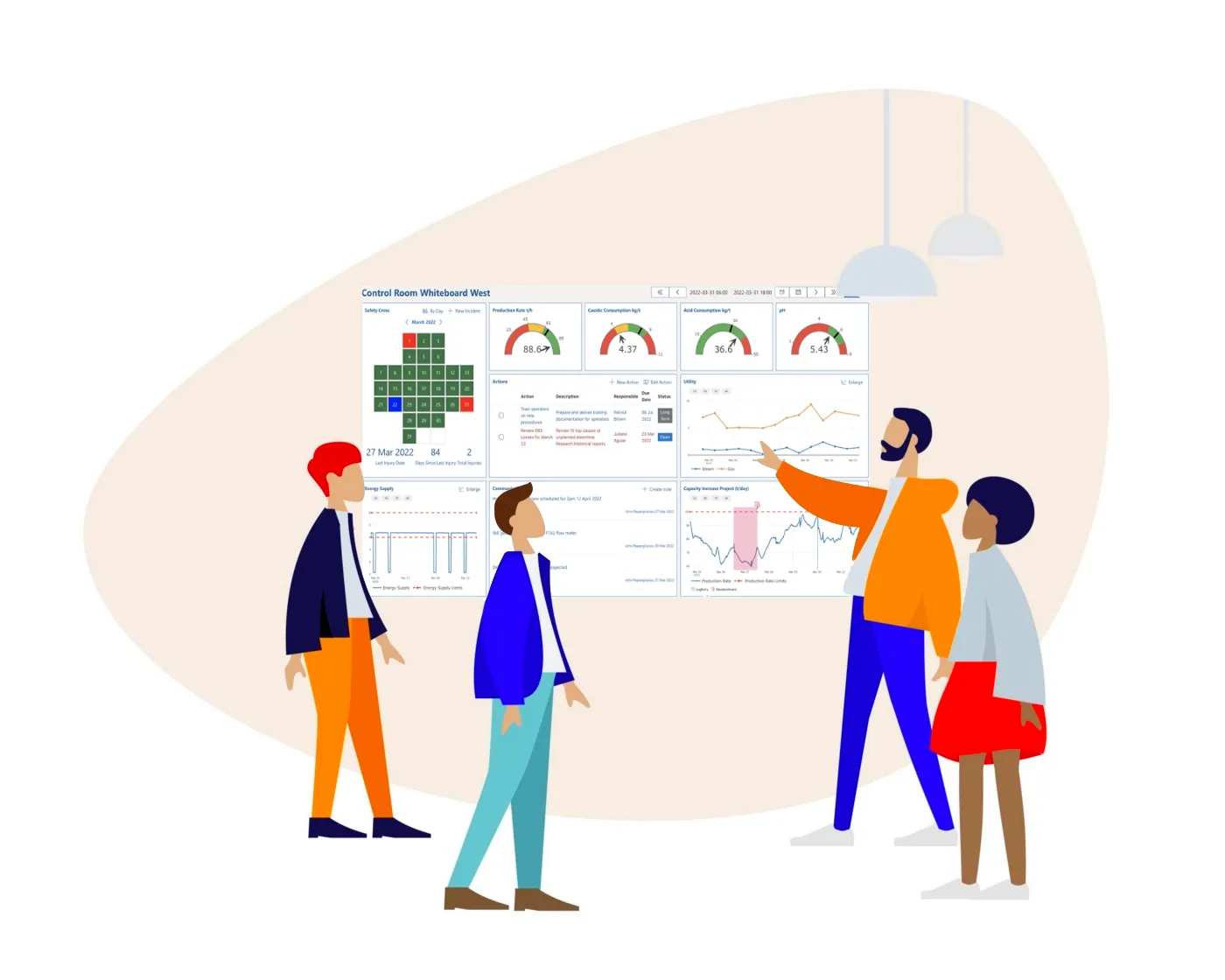 *Image 2: Improved decision-making through structured work processes supported by visual aids *
Visual communication is particularly beneficial when different shifts operate the same facility, increasing transparency and alignment and decreasing the lag in communicating issues and changes. Imagine how much time is spent and wasted in updating a shift coming back from several days off (typical in manufacturing and other work environments) using conventional written communication and using non-structured verbal communication.
Leveraging Digital Tools for Visual Management
It’s essential to recognise that visual management tools should make lives easier, bringing alignment and better results. The information displayed should be accurate and easy to measure and update. Going digital offers various advantages as it visualises a single version of the truth from multiple sources. Details can be accessed easily, facilitating agile action from any location and enhancing efficiency. For example, data can be accessed in different control rooms. These digital boards then become the place to find essential information and actions. This then allows people to focus on priorities, resolving problems, and creating and executing improvement opportunities. It also helps teams generate value by doing actual work and not creating non-value-adding manual work.
When going digital, dedicated screens displayed at the correct points (where activities happen) can maintain efficient communication.
Visual Management as Part of Continuous Improvement
Visual tools are vital for lean and continuous improvement, turning problems into opportunities for enhancement. They raise awareness of ongoing issues, minimising their impact through prompt resolution.
Effective boards and processes, backed by management, drive behavioural change, embracing the continuous improvement philosophy’s bottom-up approach. In time, teams adopt structured processes and visual boards, realising efficient workflows. This approach simplifies tasks and boosts engagement, fostering a culture of continuous improvement over time.
Conclusion
To conclude, visual management is a crucial strategy for modern manufacturing sites. It simplifies communication, streamlines processes, and fosters a culture of improvement. By using visuals effectively, organisations empower their teams to make informed decisions and drive meaningful progress. Furthermore, embracing visual management is key to achieving success in today’s competitive environment.
Follow Cyzag on LinkedIn for new articles and stories.