Routine Management – The Basics You Need to Know
Want your team to improve their performance without being in firefighter mode? Let’s get back to basics on Routine Management.
Updated 12 March 2025 3 min read
Want your team to improve their performance and achieve better results without being in firefighter mode? The chemical industry operates within a complex and dynamic landscape, balancing strict regulations, safety, product quality, and cost-effectiveness. Efficient shop floor operations and strict regulatory compliance are crucial. However, maintaining and improving performance remains a continual challenge for industry leaders. Achieving this requires a strong emphasis on effective routine management.
Let’s get back to basics on Routine Management and explore how industrial manufacturers can boost productivity and promote improved habits leading to sustainable continuous improvement and production.
Why Does Routine Management Matter?
Routine management is the systematic way of working that provides stability.
Standardisation is at the core of routine management, involving three key components: standardised processes, routine planning and scheduling, and performance monitoring and feedback. These components contribute to consistency, predictability, efficient resource utilisation, and a basis for continuous improvement.
1. Standardised Processes
A set of clear, documented, and repeatable steps for performing routine tasks. It ensures consistency, facilitates the training of new employees, and forms the basis for continuous improvement.
2. Routine Planning and Scheduling
It involves setting clear schedules, assigning responsibilities, and allocating resources to ensure tasks are completed efficiently and on time. It prevents bottlenecks, maximises resource utilisation, and reduces downtime and delays.
3. Performance Monitoring and Feedback
Essential for stability, teams monitor performance data (KPIs) and routine tasks to evaluate if the process delivers the expected performance. This allows for real-time adjustments and data-driven decision-making and facilitates a culture of continuous improvement.
How to Apply Routine Management
Planning
To implement routine management, key performance indicators (KPIs) must be defined, critical routine tasks identified, routines standardised, and tasks and schedules planned.
Executing
Implementing routine management involves a consistent four-step cycle at all plant levels. This cycle includes checking and distributing routine tasks, measuring team KPIs, conducting daily performance meetings, and following up on actions to ensure results return to the standard.
Digital Routine Management
Like the Cyzag platform, a digital visual tool makes routine management easy and efficient by automating data collection for KPIs, visually tracking routine tasks, building personalised whiteboards, registering and managing actions, and providing accessible and auditable data from anywhere.
A Manufacturing Example
The Cyzag platform supports routine management in different industries, such as chemicals, oil and gas, plastics, pharma and food and beverage. It enables generating a standard task list, providing ready KPIs for daily meetings, allowing operators to build trends and perform root cause analysis (5 Whys, Ishikawa), and organising KPIs, actions, and tasks for efficient shift sign-off:
- A standard task list is automatically generated based on the previous configuration. Extra tasks can be added if necessary.
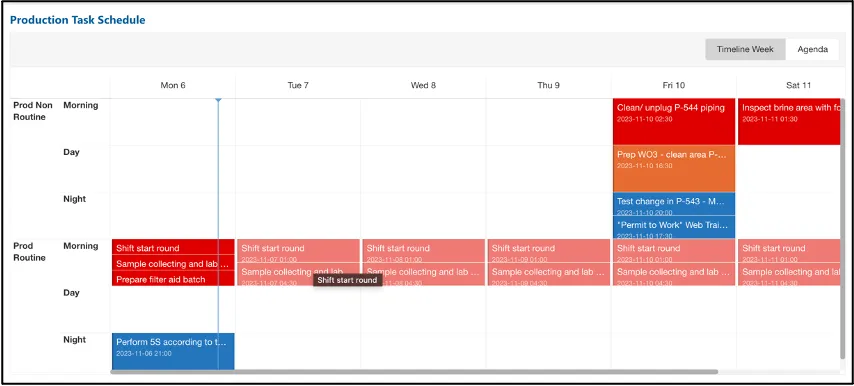 A production task schedule whiteboard in the Cyzag platform
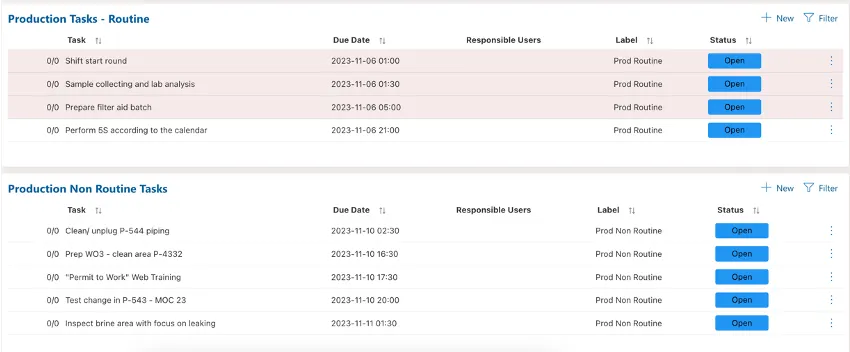 Production tasks (routine) and production (non-routine) tasks in the Cyzag platform
- The shift has KPIs ready to discuss during the daily meeting. Colour coding helps to identify deviations from the standard performance quickly. Actions are registered, and the follow-up is easy.
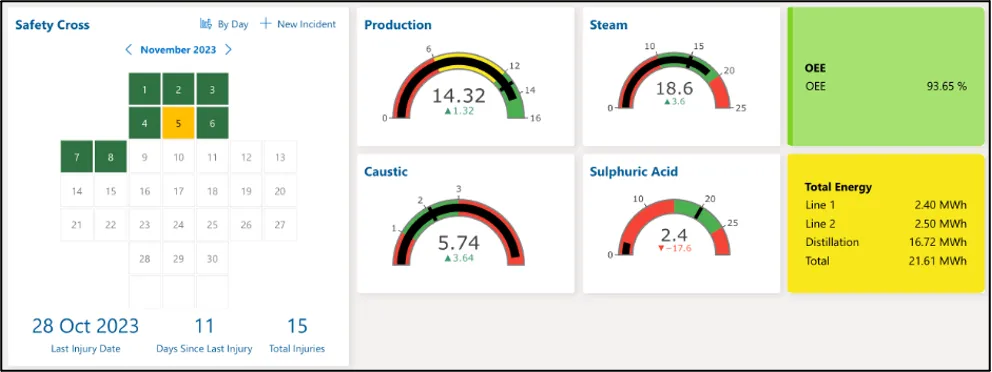 A whiteboard built to measure KPI’s on the Cyzag platform
- If needed, operators can use the tool to build trends on demand and add context to them, helping the visualisation of cause and effect. They can also perform and register root cause analysis using the tool.
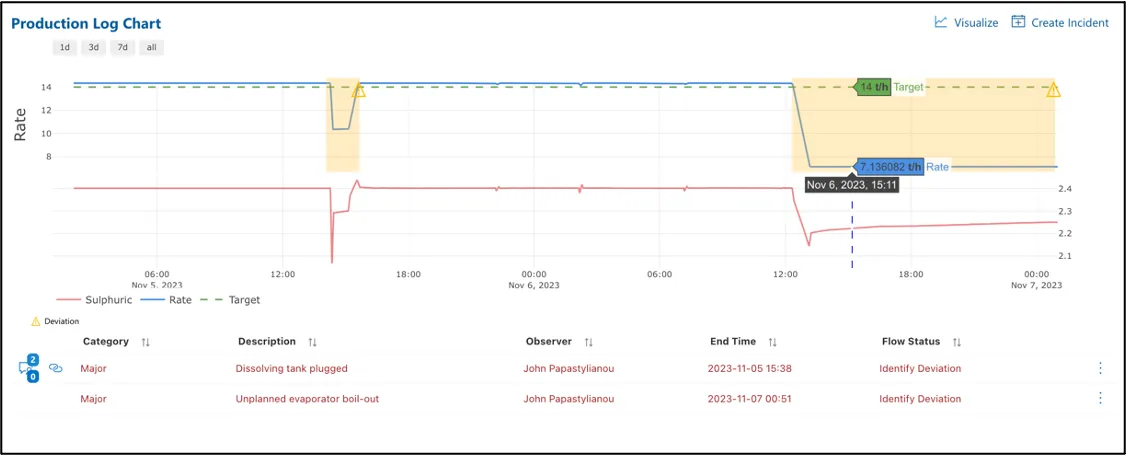 Production log chart on the Cyzag platform
- At shift sign-off, the production team has KPIs, actions and tasks organised and ready for safe and efficient shift handover.
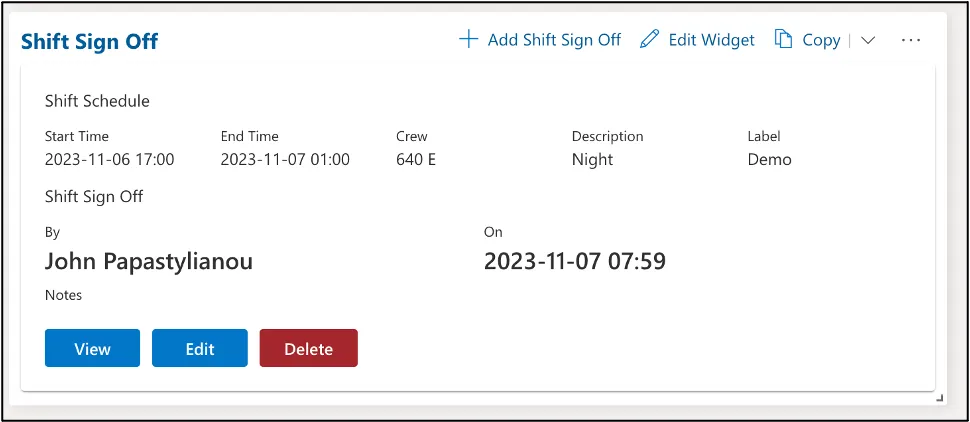 Example of a shift sign-off on the Cyzag platform
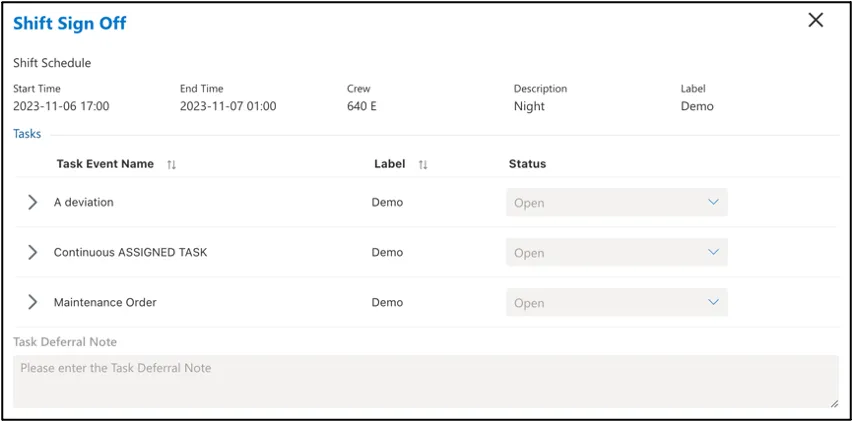 Example of a shift sign-off on the Cyzag platform
Conclusion
Routine management is a powerful tool for boosting productivity in the chemical industry. Leaders can create a culture of stability and continuous improvement by embracing standardised processes, efficient planning, and digital solutions. Book a personalised demo to see how routine management can enable your team to reach stability and enhance overall performance.
Follow Cyzag on LinkedIn for new articles and stories.