Visual Management in Industry – Fundamentals You Need to Know
Craving instant, intuitive communication? Let's get back to basics on visual management, its applications and impact on the process industry.
Updated 12 March 2025 3 min read
In the process industry, safety, efficiency, and quality are paramount. Visual management is crucial in streamlining operations, reinforcing safety, and boosting productivity. It also drives efficiency and fosters a culture of continuous improvement. Let’s get back to the basics of visual management and explore its impact on the process industry.
What is Visual Management?
Visual management is a methodology that harnesses visual aids and cues to present information in an easily interpretable format. Employing signs, charts, diagrams, images, and colours facilitates intuitive communication.

Additionally, a staggering annual loss of $128 billion in the USA, as reported by Loom, underscores the critical role that streamlined communication plays in business. This significant financial impact highlights the urgency for effective communication strategies. Visual management steps in as a solution, offering a methodology designed to convey information intuitively and immediately, fostering sound decision-making.

How it Impacts the Process Industry
Visual tools are integral to the lean and continuous improvement philosophy within the industry. They create an environment where identifying problems is synonymous with uncovering opportunities. This mindset instils an awareness that problems are inevitable, and swift identification and resolution minimise their impact. Visual management profoundly impacts safety and efficiency within the industry.
Visual Management for Safety
Safety in the process industry covers a broad spectrum, including hazard identification, emergency response, equipment status and maintenance, and adherence to safety procedures and protocols. Visual management techniques aid in making safety information easily accessible, ensuring a proactive approach to risk mitigation.
Visual Management for Efficiency
Efficiency in process manufacturing involves juggling performance metrics (KPIs), task management, work instructions, and process control. Visual management techniques contribute by maintaining standards, providing clarity in task prioritisation, offering easy-to-follow work instructions, and facilitating quick identification of process deviations. Let’s take an in-depth look at each of the impacts of efficiency:
1. Performance Metrics (KPIs)
Knowing the standard and promptly identifying deviations is crucial for maintaining efficiency and quality.
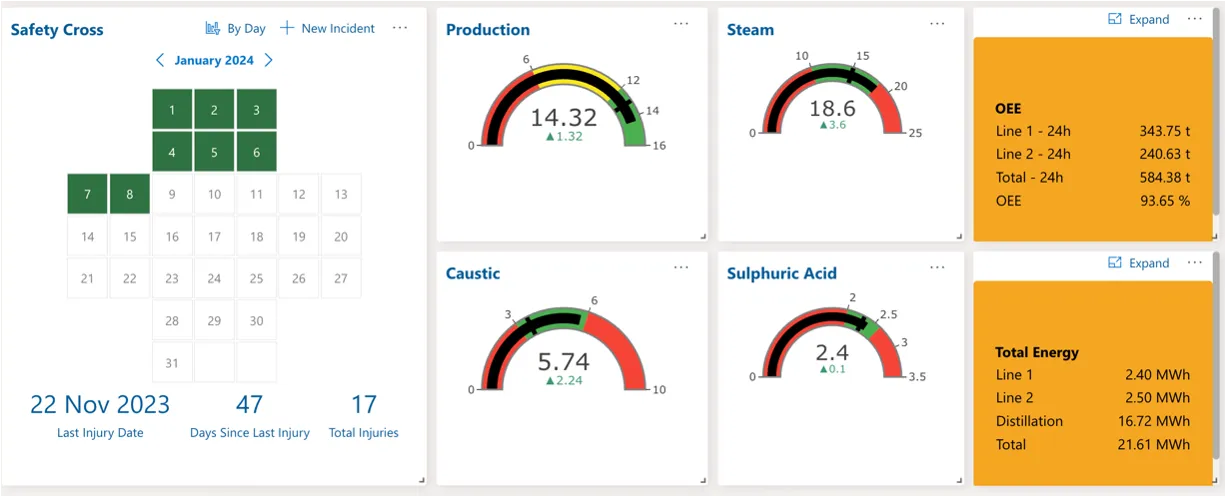 KPIs are shown in the Cyzag platform.
2. Priority/ Task Management
Task boards, Kanban cards, and agendas bring clarity and autonomy to task prioritisation, preventing overwhelm and ensuring productivity.
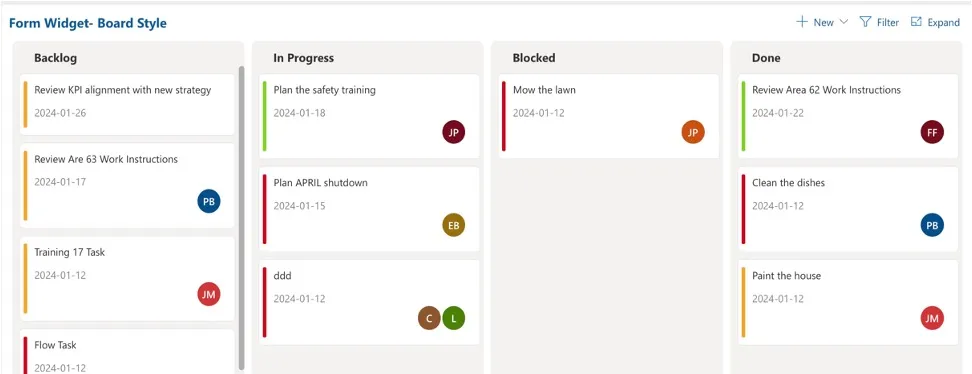 Task boards within the Cyzag platform
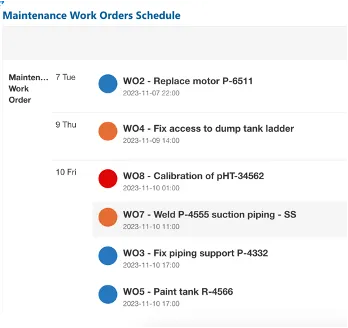 Maintenance Work Orders Schedule on the Cyzag platform
3. Visual Work Instructions
Simple and accessible work instructions, whether physical or digital, are crucial in standardising processes and ensuring adherence.
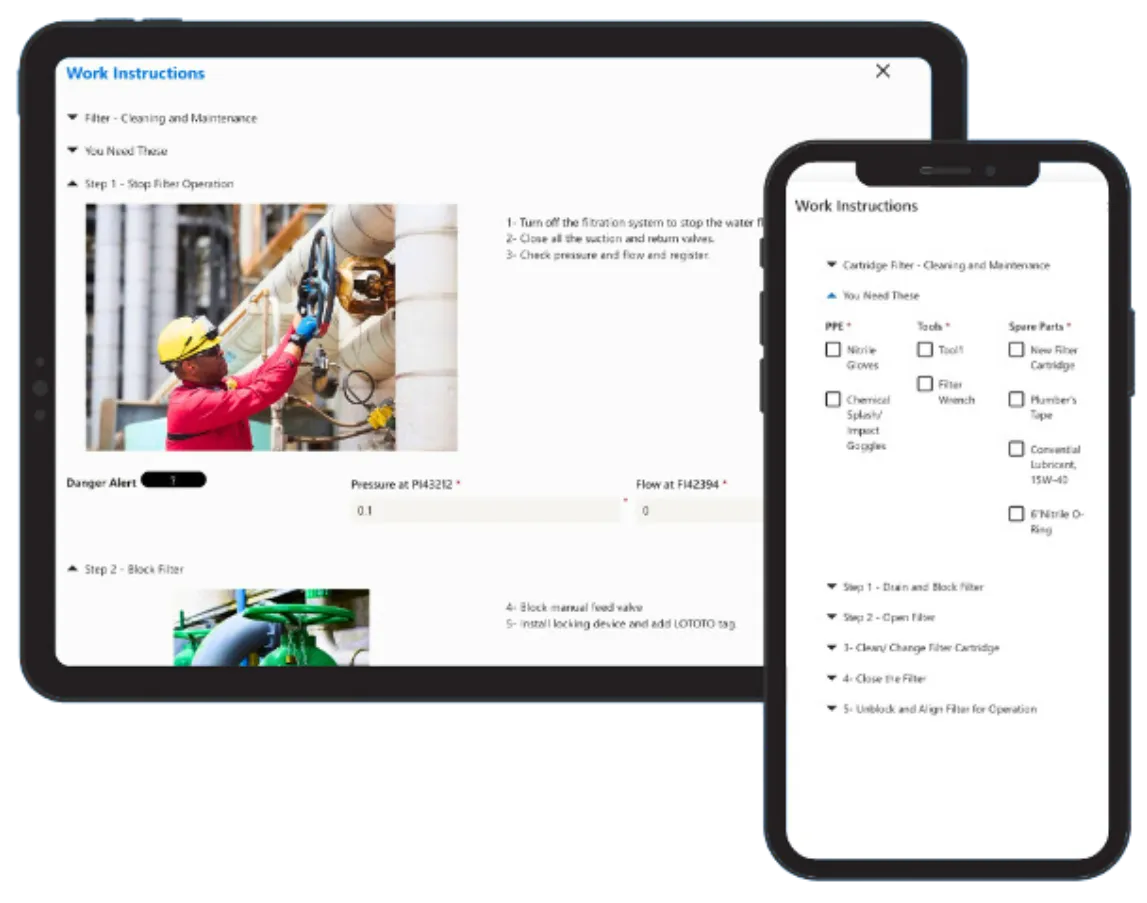 *Digital visual work instructions. *
4. Process Control
Setting colourful thresholds for process deviations allows for swift corrections, preventing waste generation.
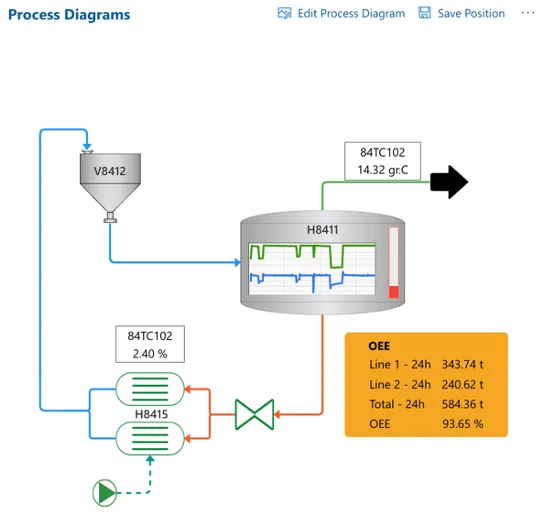 A Process Diagram is shown in the Cyzag platform
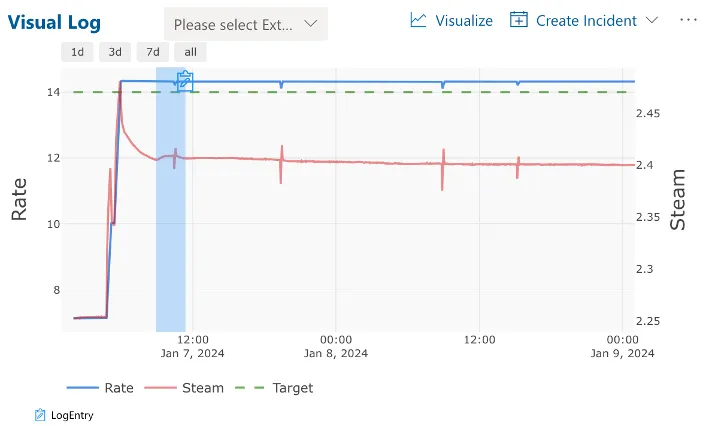 Visual log in the Cyzag platform
Going Digital to Improve Visual Management
By transitioning to a digital platform, the impact of visual management is amplified, making information both comprehensible and efficient. Tailored information is accessible for various roles and areas, fostering a sense of purpose and building accountability within the team.
Implementing a digital platform like Cyzag streamlines visual management and provides valuable insights, reducing communication burdens. It also helps eliminate waste, fosters engagement, and drives continuous improvement in safety, efficiency, and cost.
Book a personalised demo to see how Cyzag can empower your team with visual, precise, and intuitive information for making informed decisions.
Follow Cyzag on LinkedIn for new articles and stories.