AI in Manufacturing Examples: What’s Working Now on the Floor
Explore AI in manufacturing examples that show how leading companies apply technology to boost efficiency, improve quality and safety, and reduce costs.
Updated 3 November 2025 8 min read
AI in manufacturing examples are no longer rare or experimental—they’re transforming how factories solve real operational challenges. From cutting costs to improving quality and safety, these applications are helping manufacturers tackle problems that were once difficult, time-consuming, and resource-intensive to address.
In this post, we’ll explore three practical examples powered by the Cyzag platform, backed by industry benchmarks. These AI in manufacturing examples show how smart, scalable technology is helping teams move faster, work smarter, and achieve measurable results across the plant floor.
AI: From Emerging Tech to Operational Standard
The adoption curve for AI in manufacturing has steepened dramatically. What was once a forward-looking investment has become a practical necessity. According to McKinsey’s 2024 State of AI report, 72% of organisations have adopted AI in at least one business function, a significant increase from 55% in 2023. Specifically, 65% of organisations now regularly use generative AI (gen AI), nearly doubling the adoption rate from just ten months prior.
The World Economic Forum’s Global Lighthouse Network also confirms that AI is at the heart of next-generation manufacturing. Lighthouse factories—known for leading digital transformation—have used AI to deliver a 30% productivity boost, up to 50% downtime reduction, and significant energy savings. These aren’t labs—they’re real plants producing real results.
And the momentum is growing. Capgemini’s latest research shows that Europe is advancing AI adoption across manufacturing operations. More than half of Europe’s top manufacturers have implemented at least one AI use case, with Germany at the forefront—69% of its manufacturers already use AI in operations. Japan and the U.S. follow with 30% and 28% adoption, respectively.
The shift is clear: AI is no longer a pilot project—it’s a pillar of performance.
AI Examples in Manufacturing: 3 Real-World Use Cases
As adoption rises, the focus is shifting from why to how. Manufacturers want real, operational examples of AI in action—solutions that deliver measurable value on the shop floor. To illustrate what this looks like, we present three real-world use cases powered by the Cyzag platform.
Cyzag’s AI chatbot helps teams quickly access and connect information scattered across dashboards, task lists, meeting notes, and logbooks. It delivers insights fast and links directly to source documents, making follow-up simple and efficient. And because the chatbot runs entirely within the Cyzag platform, without relying on external systems or third-party AI tools, all data remains secure.
Use Case 1 – Corrosion Control Made Easy with AI Assistance
The Challenge:
A process engineer took on the urgent and complex challenge of reducing maintenance costs related to corrosion in storage tanks. Although the company had documented maintenance records, operational logbooks, root cause analyses, and preventive actions, the information was scattered across multiple documents and daily meeting notes. She spent valuable time searching for actionable insights and often had to rely on help from multiple departments to piece everything together.
The team’s approach with AI:
The engineer turned to the AI-powered chatbot built into the Cyzag digital operations platform. Drawing from all data across the platform, the chatbot provided instant answers. Instead of digging through filters and tables or relying on colleagues for context, she asked the chatbot:
“I would like to know if tank T1-3 has any maintenance records.”
In seconds, the AI delivered a comprehensive summary, confirming corrosion in tank T1-3 and identifying faulty cathodic protection systems and insufficient inspections as the probable root causes. The chatbot also surfaced information from daily meeting discussions and highlighted updates in inspection standards and maintenance practices—automatically referencing specific documents.
She continued her investigation with follow-up questions, such as:
-
“Are any other tanks presenting corrosion?”
-
“Are there any root causes that are similar for the two cases?”
-
“Are the corrective actions being done?”
-
“Are these tasks being completed according to the schedule?”
The AI quickly uncovered additional issues. It identified corrosion near tanks T1-5 and T1-6 and pointed to similar root causes: inadequate protective systems, coating failures, and missed inspections. It connected information from multiple sources and consolidated it into clear, actionable insights—turning hours of manual searching into just minutes of conversation.
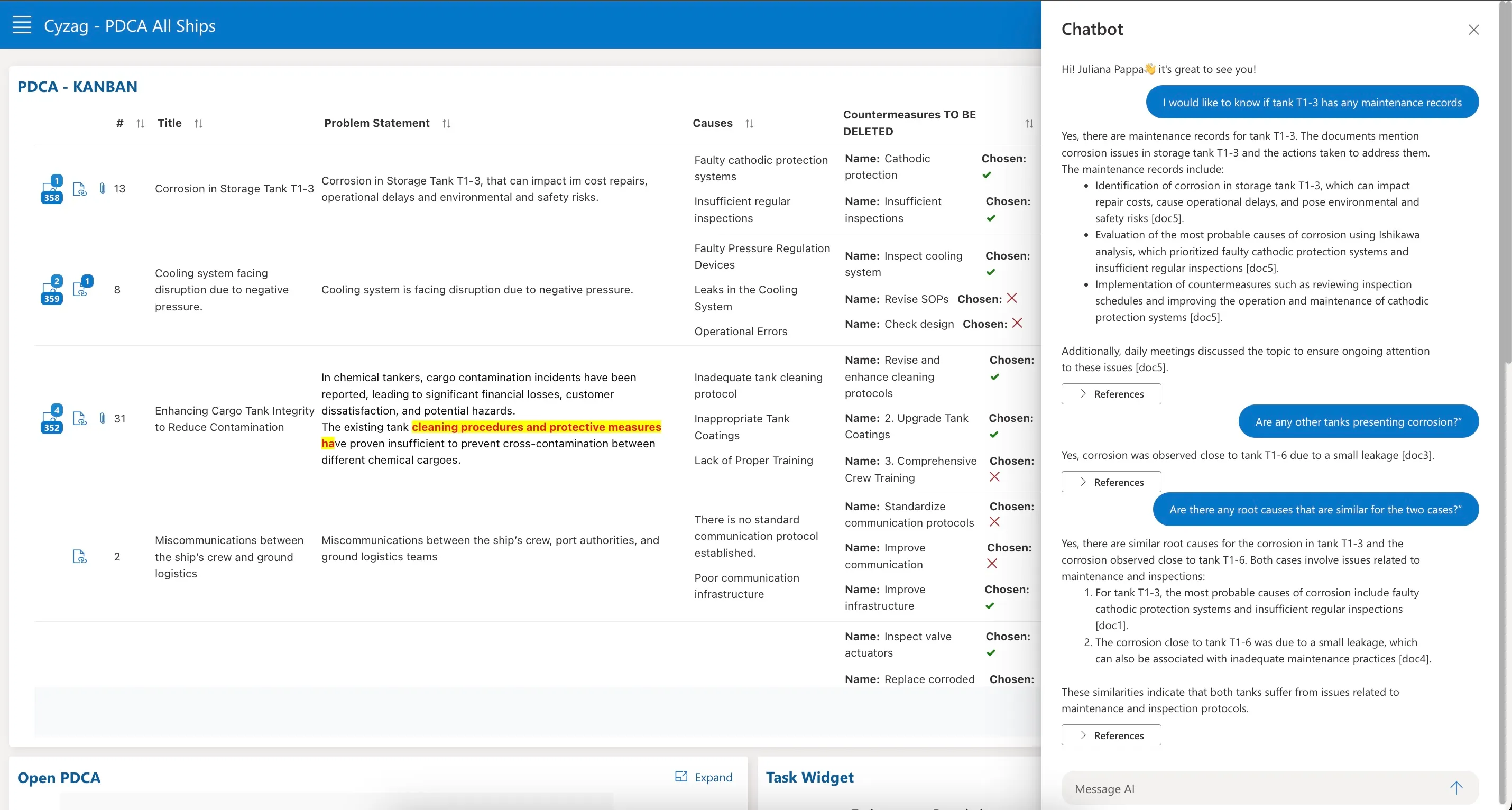 Image 1: Corrosion Control Made Easy with AI Assistance by Cyzag.
What the team accomplished with AI:
Armed with this information, the engineer launched a data-backed corrosion prevention program. She verified that teams were completing corrective actions on schedule and drove broader improvements in cathodic protection and inspection routines. The AI chatbot didn’t just save time—it empowered the team to act with speed and confidence, supported by evidence and clarity.
The ability to surface patterns across multiple tanks and correlate causes, actions, and outcomes helped accelerate response and standardise best practices. This demonstrates how AI, when embedded into operations, can transform the speed and accuracy of solving technical challenges.
Use Case 2 – Uncovering the Caustic Overuse with AI Support
The challenge:
A production supervisor noticed rising costs associated with caustic soda usage—an essential but expensive input for multiple processes. The issue had been flagged before, but due to the complexity of the operations and multiple teams, with caustic used across different systems, the root causes weren’t clear.
The team’s approach with AI:
To investigate quickly, the supervisor used the AI-powered chatbot. The chatbot leveraged data from across the platform—process logs, daily meetings, root cause analyses, maintenance notes, and system reports—to answer complex questions in seconds.
When asked:
“Did we have any deviation regarding high caustic consumption?”
The chatbot returned a detailed list of three specific cases:
-
Ion exchanger regeneration: Consumption increased from a typical 1,000L to nearly 3,000L.
-
Wastewater treatment (WWT): Caustic use was higher than normal, tied to operational anomalies.
-
Reactor R-767: Excess consumption was reported due to uncontrolled flow.
The supervisor then asked about the root causes:
“Are there any root causes listed for these high consumptions?”
Once again, the chatbot quickly linked each case to specific documented issues:
-
In reactor R-767, internal corrosion of a control valve reduced flow regulation, causing overuse. The internals were replaced, and new materials were evaluated.
-
In the WWT, excessive cooling water purge was the key driver, with a recommendation to engage the service provider for better control.
-
In the ion exchanger, a high level in the neutralisation tank prevented the previous cycle from completing properly, leading to increased acid residues and, consequently, more caustic demand. The solution: an extra verification step in the sequence to confirm tank levels before proceeding.
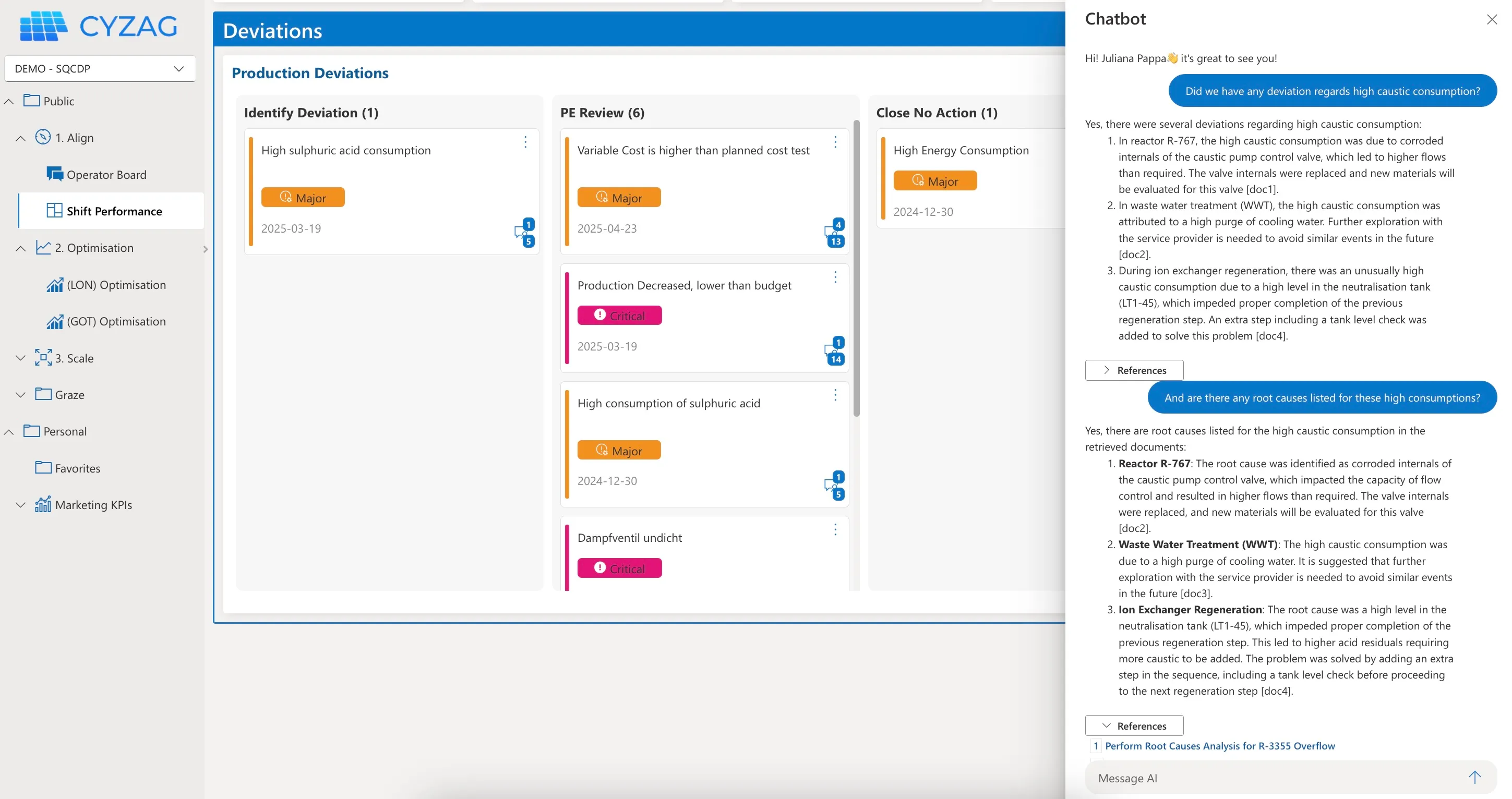 *Image 2: Cyzag AI Chatbot helps uncover the caustic overuse. *
What the team accomplished with AI:
With this consolidated insight, the supervisor coordinated targeted actions across different units. Valve replacements, system checks, and procedural improvements were swiftly implemented—each action tied directly to a root cause. The new sequence in the ion exchanger alone prevented recurring overdosing, while better coordination with service partners in wastewater treatment improved overall chemical usage control.
This case showed how the Cyzag AI chatbot turned fragmented data into a clear, actionable path forward. The team solved the issue in minutes—reducing chemical waste, improving process efficiency, and containing unnecessary spending.
Use Case 3 – Fast-Tracking Quality and Safety Improvements with AI Insights
The challenge:
During a routine performance review, operations leaders noticed recurring disruptions related to both safety and product quality. The incidents weren’t always logged in the same system or department, making it difficult to connect the dots and understand the bigger picture. Issues ranged from equipment failures to workforce performance, with consequences that could impact compliance, product consistency, and plant safety.
The team’s approach with AI:
To uncover the causes of the problem, the team consulted the AI chatbot embedded in the Cyzag digital operations platform. The chatbot could scan and synthesise information across incident reports, PDCA records, logbooks, daily kaizens, and more.
When asked:
“Do we have any quality issues?”
The chatbot quickly returned three occurrences:
-
Temperature fluctuations in storage tank T1-9 were identified as a risk to product quality.
-
Low contractor efficiency and poor First Time Right (FTR) performance were flagged as threats to turnaround success and quality control.
-
A leak in an inflow pipe was affecting both production output and end-product integrity.
To assess the full scope, the team followed up:
“Do we have any safety issues?”
The AI identified overlapping concerns:
-
The inflow pipe leak was a quality issue and a safety hazard.
-
Multiple safety incidents had been recorded in training logs.
-
An overflow event in a contained area had a medium-level safety impact, as noted in logbook entries.
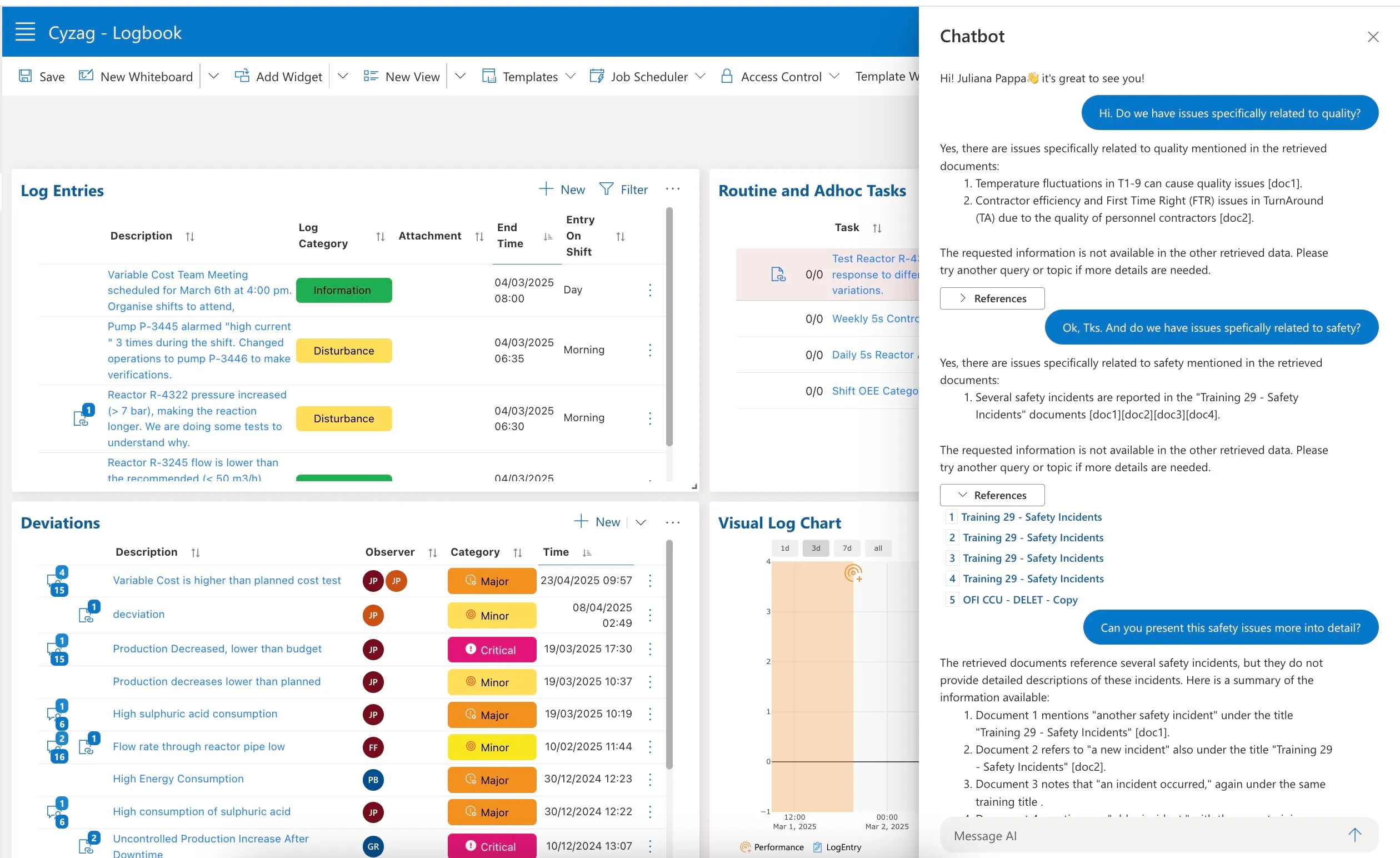 Image 3: Fast-tracking quality and safety improvements with AI insights within the Cyzag platform.
What the team accomplished with AI:
By consolidating real-time insights from various sources, the Cyzag chatbot helped the team quickly prioritise issues with both safety and quality implications. They responded immediately to the inflow pipe leak by launching a preventive replacement program. At the same time, they addressed contractor performance concerns by tightening onboarding procedures and introducing additional training to meet First Time Right (FTR) targets.
This wasn’t a one-off success. The chatbot enabled a proactive monitoring strategy, allowing the team to track recurring issues and escalate them before they became serious incidents.
Instead of relying on multiple meetings, reports, and cross-functional reviews, the team now initiated effective actions with just a few questions—proving that real-time access to interconnected data can dramatically improve operational safety and product reliability.
From Data to Decisions—Removing Bottlenecks with AI
One of the most powerful shifts in manufacturing today is the removal of technical bottlenecks around digital deployment. Modern no-code AI platforms enable operational teams—not just data scientists—to build, adapt, and improve AI-powered workflows directly.
Manufacturers can turn insights into action much faster by giving frontline teams and process engineers access to AI tools. Instead of waiting months for centralised teams to deliver models, they now solve specific problems in days—and refine solutions as new data comes in.
This shift unlocks a new level of agility. When integrated with human expertise, AI becomes a partner in daily decision-making—supporting, not replacing, the people closest to the process. It enhances operational routines in real time without adding complexity.
Final Thoughts: What These AI in Manufacturing Examples Tell Us
The question isn’t whether AI works in manufacturing—it’s how fast you can scale it across your operations. Companies that treat AI as a performance driver, not just a tech experiment, are already gaining productivity, quality, cost reduction, and safety.
These AI examples in manufacturing prove that real-world applications don’t require futuristic investments. With the right tools and platform, you can embed AI into your plant’s daily rhythm—solving real problems, faster.
Discover what AI can do for your operations—book a demo today and see the results for yourself.
Follow Cyzag on LinkedIn for new articles and stories.