How to Make Continuous Improvement in Operations Truly Continuous
Make Continuous Improvement in operations truly continuous with digital tools that enhance routine, empower operators, and drive efficiency.
Updated 13 March 2025 4 min read
Process manufacturing must be safer, more sustainable, and more efficient than ever. Achieving sustainable continuous improvement in operations requires an enterprise-level transformation program. However, at its core, Continuous Improvement Shift success depends on people. Losing sight of this is one of the key reasons such initiatives fail.
The Toyota style is not to create results by working hard. It is a system that says there is no limit to people’s creativity. People don’t go to Toyota to “work”, they go there to “think”.
Taiichi Ohno
When designing and implementing a transformation program, have you considered that process operators are vital to this process? To drive real performance improvement, companies must connect the shop floor to strategic objectives.
Digitalisation is critical in delivering sustainable Continuous Improvement by integrating contextual information, automating tasks, and enabling collaboration in operations. It ensures traceability and maintains a continuous feedback loop, fostering engagement.
Here, we explore how digital technology enhances shift operations and embeds Continuous Improvement, making it truly continuous, shift by shift.
The Reality of Shift Operations
A control room typically conjures images of operators focused on process screens. However, many factors disrupt focus, including process upsets, safety permissions, maintenance issues, and quality concerns. Effective shift communication adds another challenge due to staggered schedules and quick shift handovers.
A lack of structured, digital shift management tools exacerbates operational chaos. Many operators use multiple, disconnected tools, leading to data duplication and inefficiencies. Legacy shift management systems often lack structured fault classification, are difficult to maintain, and fail to support agile improvements.
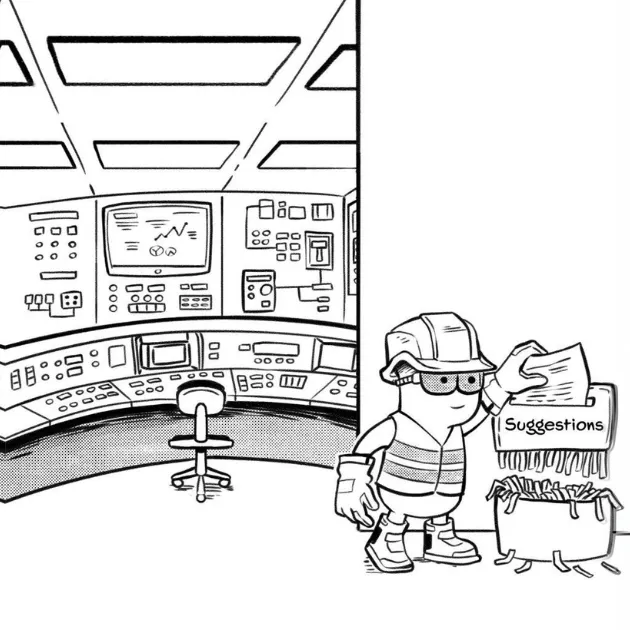 Image 1 – Improvement suggestions from the shop floor are commonly lost in daily operations.
Despite these challenges, shop floor employees frequently identify Continuous Improvement opportunities. Unfortunately, these insights often get lost in daily operations or disappear into a “black hole” where feedback is scarce. If captured and executed, these opportunities could lead to significant cost savings ($0.5M – $1M per plant annually) and carbon footprint reductions.
3 Steps to Ensure Continuous Improvement in Shift Operations
To move away from shift chaos and towards a structured operation that fosters sustainable Continuous Improvement, three key steps must be taken:
-
Organise Shift Operations to Free Up Time for CI
-
Use the time to identify and execute opportunities
-
Establish a Structured CI Funnel for More Complex Opportunities
1. Organise Shift Operations to Free Up Time for CI
Structured shift operations are the foundation of Continuous Improvement. Determining shift workflows and implementing digital tools ensures organised, efficient, and transparent processes.
Visual management tools simplify alignment, particularly in shift-based environments. Digital solutions offer advantages such as a single source of truth (SSOT), where real-time data from DCS and other platforms can be easily accessed.
User-centric digital tools combine functions like log entries, task management, and task tracking to enable collaboration and increase efficiency with automation. All shift events and data are stored and auditable. Technology gains far stronger user acceptance if it builds on existing practices and knowledge. Cyzag provides structured digital shift management, ensuring traceability and alignment with operational goals.
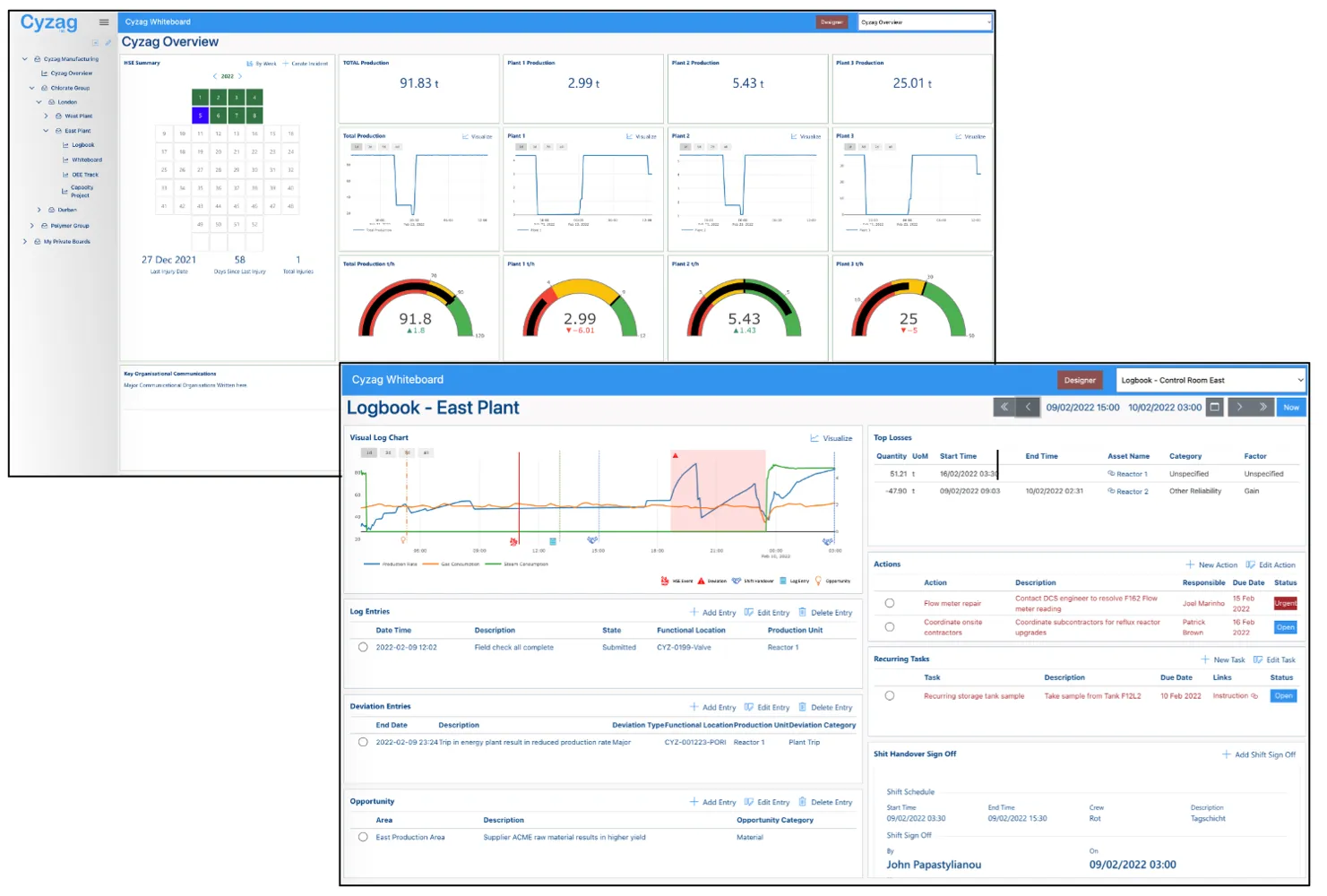 Image 2 – Organising Shift Operations with a Digital Control room board and Digital logbook.
2. Use the time to identify and execute opportunities
Production operators can primarily deliver Continuous Improvement at the shift level by acting on raw material consumption and asset efficiency (OEE). However, tracking these metrics daily or weekly is often too slow to recover real-time losses.
To increase opportunities for waste reduction, operators need timely, contextual data that supports quick decision-making. A key tool in this process is Short Interval Control (SIC), which encourages operators to assess their process at frequent intervals by asking:
-
What has happened?
-
What is happening now or will happen soon?
-
What information is required to make decisions?
By implementing SIC, teams work with a shared data source, enabling collaboration, data-driven decision-making, and improved shift-to-shift communication.
3. Establish a Structured CI Funnel for More Complex Opportunities
Many Continuous Improvement opportunities identified during shifts are “just do it” actions—quick wins that operators can implement immediately. However, more complex opportunities require additional analysis, cross-functional collaboration, or capital investment.
To ensure that valuable improvement ideas don’t get lost, a structured digital CI funnel is essential. This system guarantees transparency, tracks progress, and fosters engagement by guiding improvement ideas through:
-
Capture: Operators document improvement opportunities.
-
Evaluation: Ideas are assessed using a prioritisation matrix.
-
Selection: High-impact ideas are prioritised.
-
Execution: Teams implement selected improvements.
-
Benefit Tracking: Results are measured and validated.
-
Feedback: Operators receive updates, maintaining engagement and encouraging further idea generation.
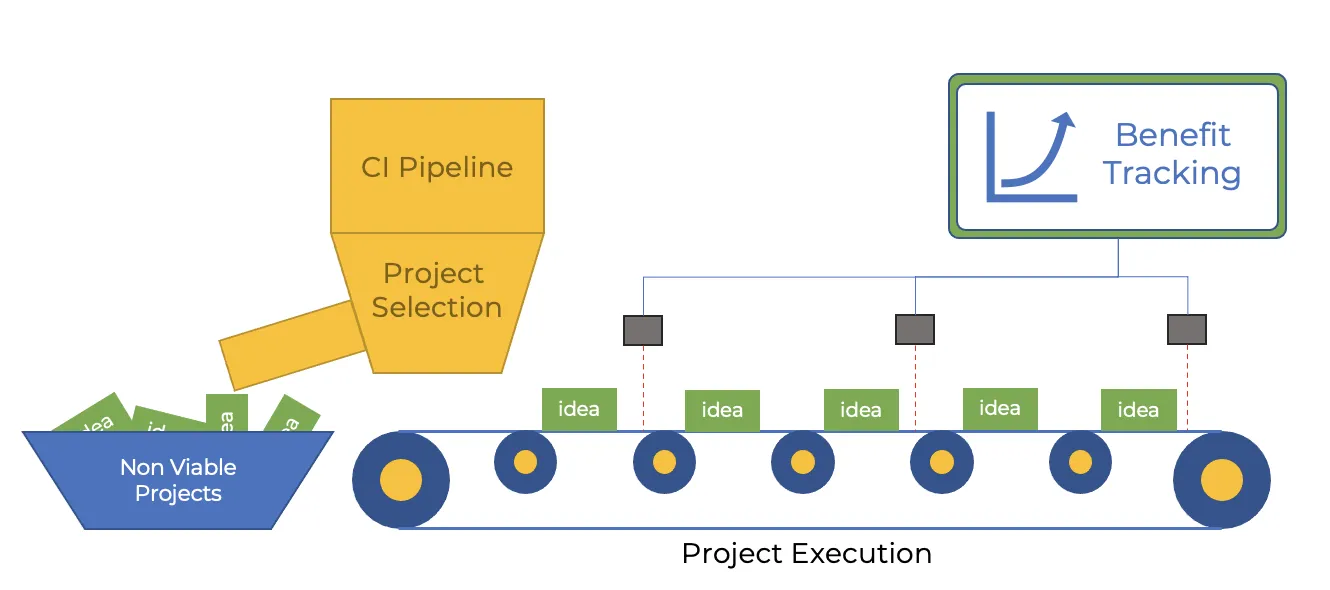 Image 3: Kanban CI Funnel
Final Thoughts: Continuous Improvement in Operations Done Right
There is an opportunity to implement truly sustainable CI for the enterprise. To do this, it is necessary to embed these processes within the most basic cycle of operations for every shift.
By empowering operators with user-centric tools and creating a transparent lifecycle, we can successfully embed CI behaviour by focusing on operations from the shop floor upwards.
We have learnt that a key to a successful implementation of Continuous Improvement digital tools is users’ recognising the solution’s value. This happens when:
-
Jobs are made easier by reducing low-value tasks.
-
Data-driven decisions are shifted to the shop floor, empowering workers.
-
Results are visible and impactful
-
Collaboration across teams is promoted
Would you like to make your continuous improvement process truly continuous? Book a demo.
Follow Cyzag on LinkedIn for new articles and stories.