Operator Efficiency Starts Here: A Day in a Digitally-Enabled Plant
Discover how digital tools improve operator efficiency by streamlining shift routines, speeding decisions and reducing waste in manufacturing.
Updated 28 April 2026 6 min read
Operator efficiency drives performance in industry, and digitalisation is a primary enabler. In this article, we show how digitalisation helps operators respond faster to daily challenges, improve shift communication, and work more effectively on the shop floor.
Introduction: Symplifying Complexity on the Shop Floor
Operating a manufacturing plant isn’t just about following procedures. It demands sharp focus, quick thinking, and constant adaptation. Operators must juggle competing priorities: process upsets, safety checks, maintenance tasks, quality deviations, and production targets. All of this happens in environments where handovers are brief, team availability varies by shift, and clarity is often compromised.
In the U.S. alone, approximately 381,000 manufacturing job openings were reported in April 2025, many of which were for frontline roles such as operators. This growing demand highlights the need not just for skilled labour, but for tools that help teams work smarter and more productively.
In many plants, disconnected tools and outdated shift management systems make the job harder. Operators still rely on spreadsheets, radios, handwritten notes, and standalone software that can’t scale or support structured improvement. This leads to duplicated work, inconsistent communication, and missed opportunities to act on time.
Digitalisation changes that. With real-time insights, structured workflows, and clear accountability, operators can act faster, reduce waste, and stay focused on what truly adds value.
Across industries, the impact is clear. One industrial manufacturer saved two hours per shift by digitising frontline workflows. Another, Nobian, prevented losses equivalent to €980,000 per year by identifying overconsumption early, thanks to better data visibility and collaboration across teams.
In the article below, we follow a typical day in the life of an operator in a batch plant. It shows how digital tools simplify complexity, improve performance, and make each shift more efficient. Let’s dive into it.
Operator Efficiency in Action: A Day in the Life
Digital tools don’t just streamline tasks; they transform how operators work, solve problems, and stay aligned. Here’s how a typical shift in a batch plant unfolds when efficiency is built into every step.
06:00 AM | Getting Up to Speed
The day begins with the shift handover and sign-in. Instead of relying on handwritten notes or verbal briefings, the operator checks the digital logbook. Real-time boards show ongoing batch performance, completed tasks, pending issues, and annotated process deviations. In minutes, the operator gains full visibility into what has happened, what is happening, and what needs attention, ensuring no information gets lost between shifts.
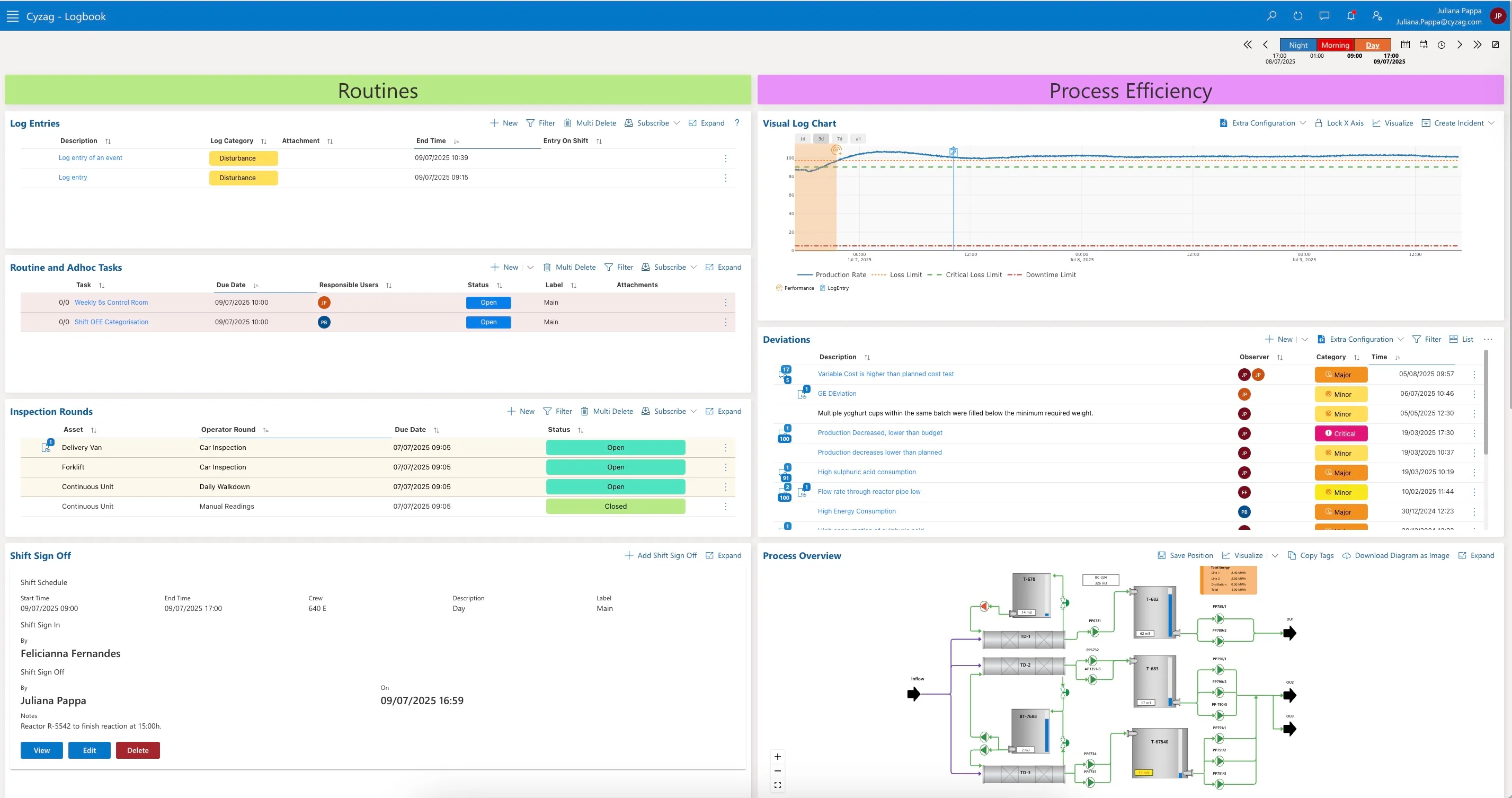
*Image 1. The Digital Shift logbook enhances operator efficiency from the very start of the shift. *
06:10 AM | Kicking Off with Clarity
During the shift meeting, the shift lead operator drives the team through the day’s priorities. The platform’s task board clearly displays all recurring and ad-hoc actions, and the operator assigns ownership on the spot. This avoids confusion and enables the team to start the day aligned and ready to act, without waiting for supervisory intervention.
06:20 AM | Monitoring What Matters Most
With the team on task, the lead operator focuses on critical process parameters. Deviations from the golden batch, whether in temperature, steam pressure, or timing, are flagged instantly. This enables real-time correction, preventing small issues from escalating into quality or energy consumption problems later in the batch cycle.
06:45 AM | Tracking Performance in Real Time
Beyond monitoring the current batch, the operator reviews OEE trends. A dip in equipment performance or an unexplained microstop triggers further investigation. Any identified pattern or issue is documented, complete with corrective actions and root cause insights, making traceability and follow-up straightforward.
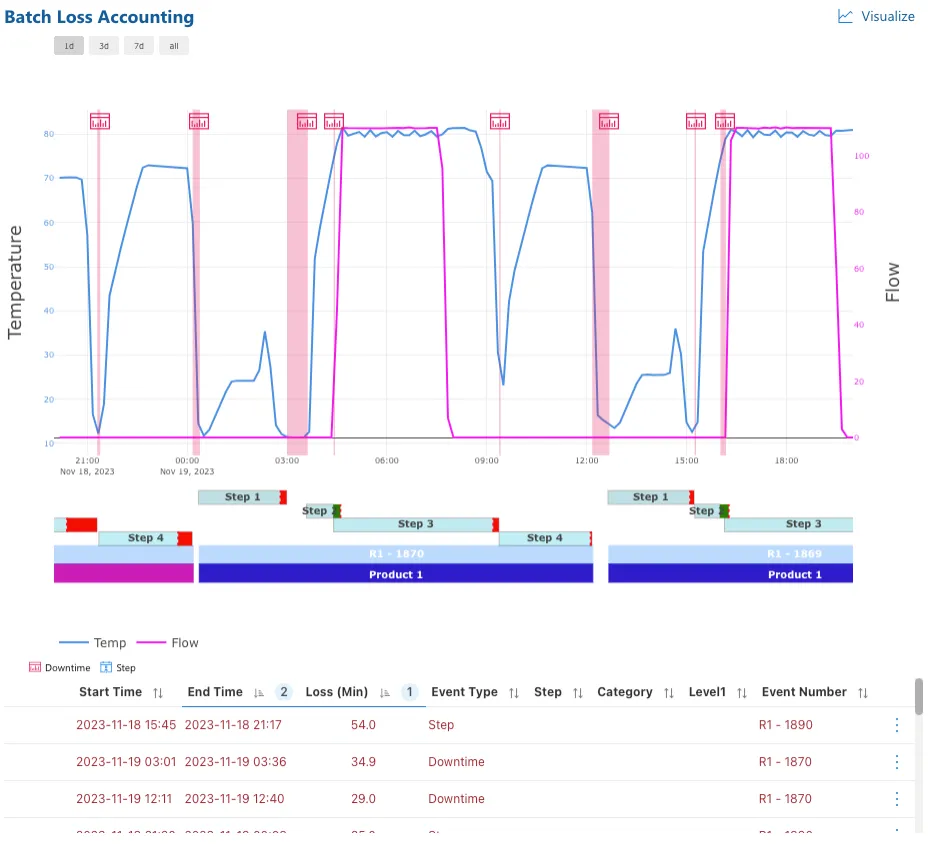
Image 2. Online equipment performance tracking enables timely actions and improves operator efficiency.
07:00 AM | Staying in Sync During the Daily Ops Meeting
The lead operator attends the daily operations meeting, where the platform automatically presents performance metrics, maintenance data, and HSE updates. This is the moment when all operational teams align on priorities and key needs. A shared digital whiteboard consolidates input from every area, enabling cross-functional collaboration, clear prioritisation, and accountable follow-up.
08:00 AM | Identifying Anomalies Before They Escalate
A deviation in energy consumption catches the operator’s attention. A quick analysis using the drill-downs shows the problem originates from Compressor 2. A field check confirms the equipment was running inefficiently. The operator corrects the issue immediately, avoiding unnecessary energy loss and reducing cost without needing external troubleshooting.
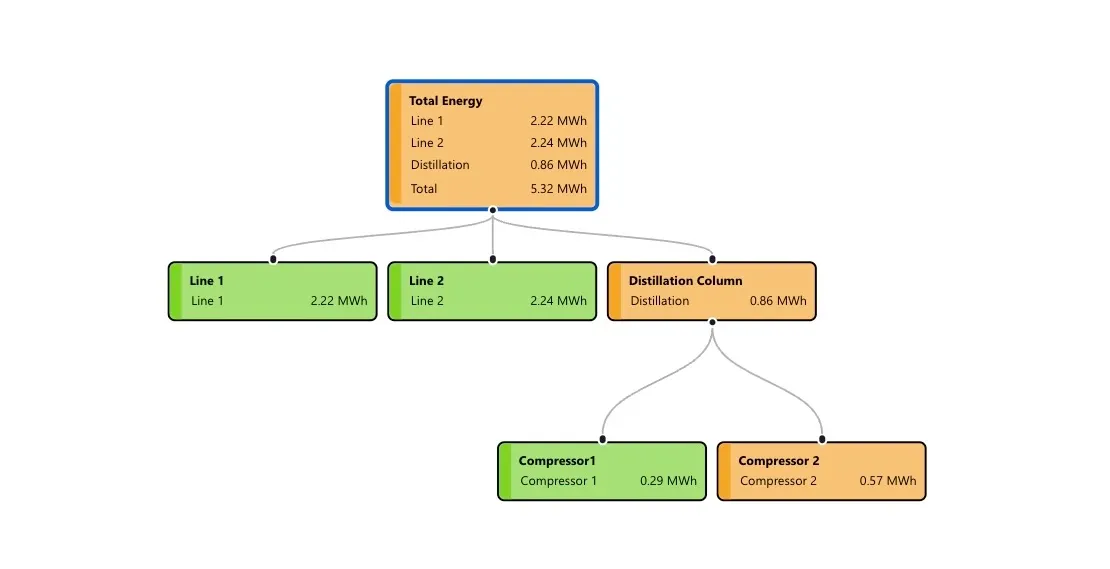
Image 3. Parameter drill-downs make troubleshooting quick and easy.
09:00 AM | Using AI to Connect the Dots
Curious about the compressor issue, the operator consults the AI assistant to investigate whether similar problems have occurred before. The chatbot confirms a pattern. Armed with this insight, the operator initiates a structured PDCA cycle to address the issue and prevent recurrence.
09:10 AM | Driving Structured Improvement
Using the PDCA workflow tool, the operator documents the problem, kicks off the plan step, and engages the right teams—engineering and maintenance—at the right moment. Approvals and task assignments are handled automatically. All actions are visible, trackable, and integrated with daily routines.
10:30 AM | Responding Quickly to a Quality Deviation
A sudden drop in product quality prompts the team to start a root cause analysis (RCA). When one item proves difficult to assess, the RCA is flagged for support. The process engineer quickly builds a multi-variable trend analysis, helping the team identify an issue related to filter maintenance. With everyone viewing the same data in real-time, collaboration remains seamless and focused.
11:00 AM | Taking Corrective Action Before It’s Too Late
The operator notices the problematic filter is scheduled for maintenance the next day. Rather than wait, they coordinate a temporary corrective action with the supervisor: increase the washing frequency. The decision, its rationale, and all supporting data are logged, keeping all shifts, maintenance and management informed.
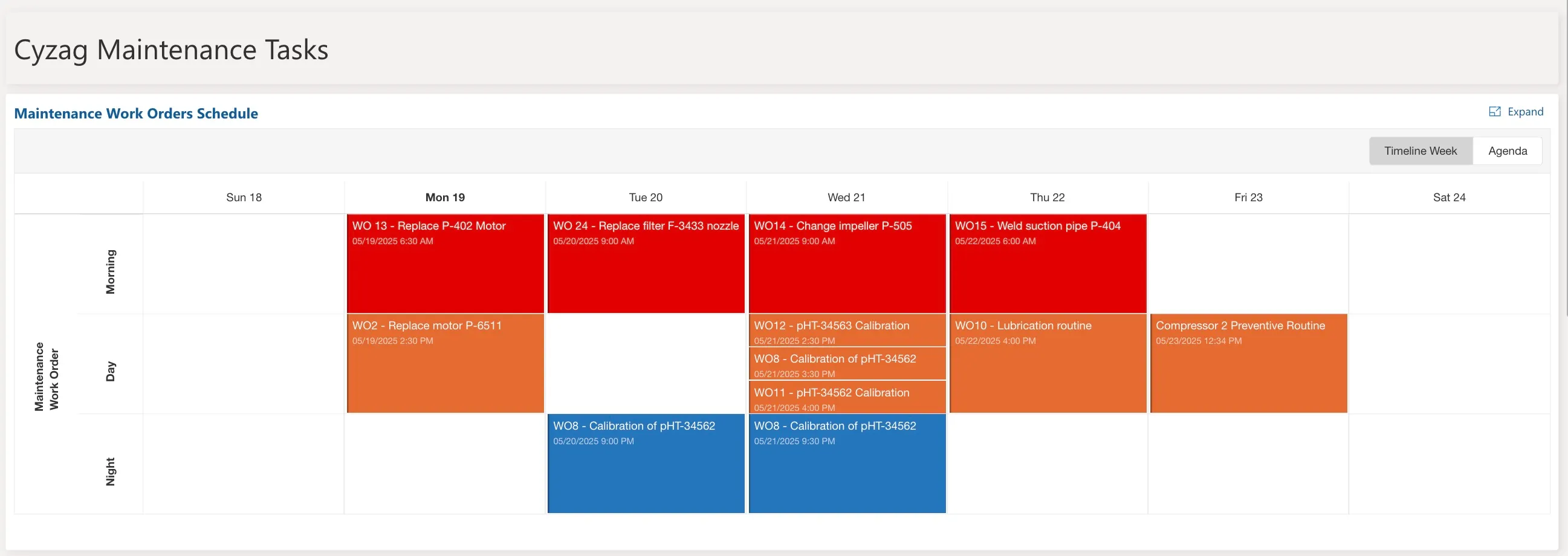
*Image 4. Integrated task management at the Cyzag platform enables delivery and collaboration between teams. *
01:30 PM | Reviewing Progress and Preparing the Handover
Before sign-off, the operator reviews the day’s performance, including what has been done, what remains pending, and how the shift has tracked against targets. Gaps are flagged for the next shift, and the digital log is updated to ensure continuity.
01:45 PM | Smooth Handover, Confident Closure
With everything recorded digitally—batch performance, deviation handling, improvement initiatives, and team actions—the shift handover is quick, clear, and complete. The incoming team has everything they need to get off to a strong start.
How Digital Tools Redefine Operator Efficiency: A Side-by-Side Comparison
After walking through a digitally enabled shift, it’s worth asking: can operator efficiency ever be truly achieved without digital tools? What may feel familiar or under control can often mask delays, duplicated effort, or missed opportunities. The image below compares common frontline practices, highlighting how digitalisation turns routine execution into proactive, data-driven and efficient performance.
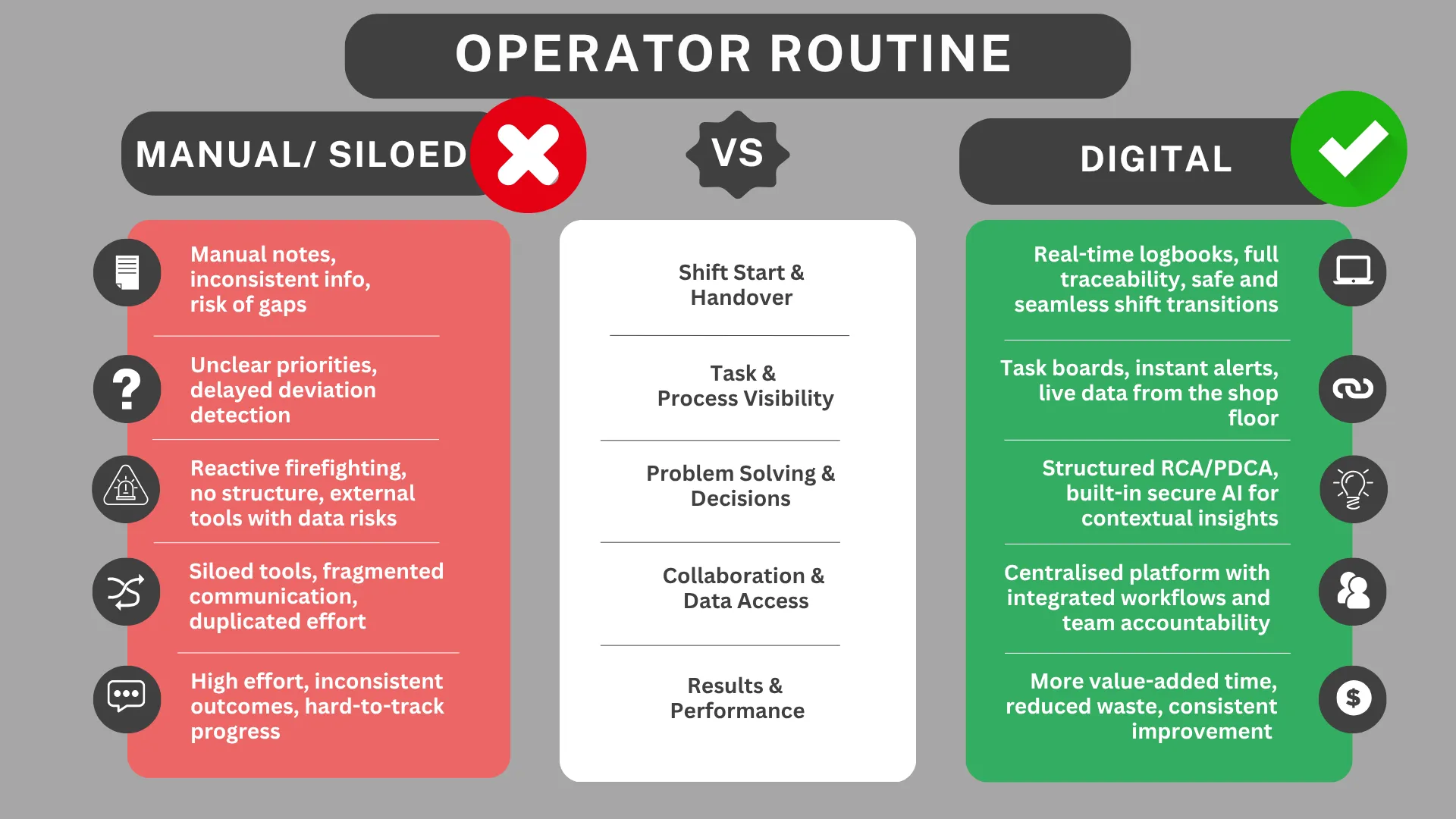 Image 5. Comparison table: Manual vs Digital Operator Routine.
Digitalisation on the Frontline: A Practical Shift
The differences are clear, but real operator efficiency only happens when insights lead to action. For operators, digitalisation isn’t about replacing expertise; it’s about enhancing it. The Cyzag platform simplifies tasks, centralises information and enables smoother collaboration. What used to be fragmented routines becomes a connected and efficient workflow.
With digital tools in place, operators spend less time chasing information and more time solving problems and improving performance. This shift transforms day-to-day execution into real operator efficiency, where every action contributes to quality, reliability, and cost control.
What if your operators could take that step too? Book a demo and learn how to build your operations map and drive improvements through digitalisation.
If you want to start digitalisation in your organisation, download our whitepaper, Digitalisation in Industry: How to Get Started and explore the step-by-step.
Follow Cyzag on LinkedIn for new articles and stories.