How Oil & Gas Terminals Cut Time- Related Inefficiencies with Digitalisation
Learn how Oil & Gas Terminals Digitalisation eliminates waiting time, speeds decisions, and drives efficiency across terminal operations.
3 min read
Oil & Gas terminals digitalisation has become one of the most effective ways to tackle the challenges of lost time and inefficiency. Every minute lost in an Oil & Gas terminal adds cost, from demurrage fees and idle vessels to lower productivity and throughput. Waiting for information, analysis, or decisions remains one of the most persistent and costly forms of waste in terminal operations.
This article explores five common sources of waiting in Oil & Gas terminals and how digitalisation helps solve them.
Why Waiting Happens in Oil & Gas Terminals
Studies by Salihoglu and Beşikçi published in the Journal of Shipping and Trade, show that shift delays, communication gaps, and sampling inefficiencies are among the main causes of waiting reasons at liquid bulk terminals. Although these issues appear operational, they often stem from disconnected information, manual coordination, and lack of real-time visibility, leading to significant productivity losses.
As digital systems mature, AI now plays an increasing role in addressing these challenges, such as analysing trends, predicting bottlenecks, and turning operational data into real-time insight. By connecting people, processes, and data, digitalisation helps eliminate unnecessary waiting and creates a more predictable, efficient terminal environment.
1. Inefficient Shift Handovers
Shift change remains one of the most common sources of wasted time. When information sits in notebooks, spreadsheets, or individual inboxes, new crews must wait for clarification or repeat checks or chase details before acting. These gaps delay loading and unloading operations and increase risk.
By digitising shift handovers, teams can access all operational notes, tasks, and anomalies in one place, instantly. Nothing is missed, and every action stays traceable. This transparency speeds up transitions, reduces downtime, and strengthens accountability.
2. Communication Breakdowns
Terminal operations rely on constant coordination between operators, inspectors, and ship crews. Yet, when updates happen through calls, emails, or fragmented systems, information flow breaks down, and teams spend valuable time waiting for information or confirmation.
A digital operations platform unites everyone in one shared environment. Teams can log actions, exchange messages, and update status in real time. Clear visibility eliminates duplication, reduces misunderstandings, and enables faster decisions.
3. Delays in Quality Control and Sampling
Sampling and laboratory analysis are crucial for compliance, but slow turnaround times often stall operations. When results are processed manually or shared too late, cargo waits, increasing cost and congestion.
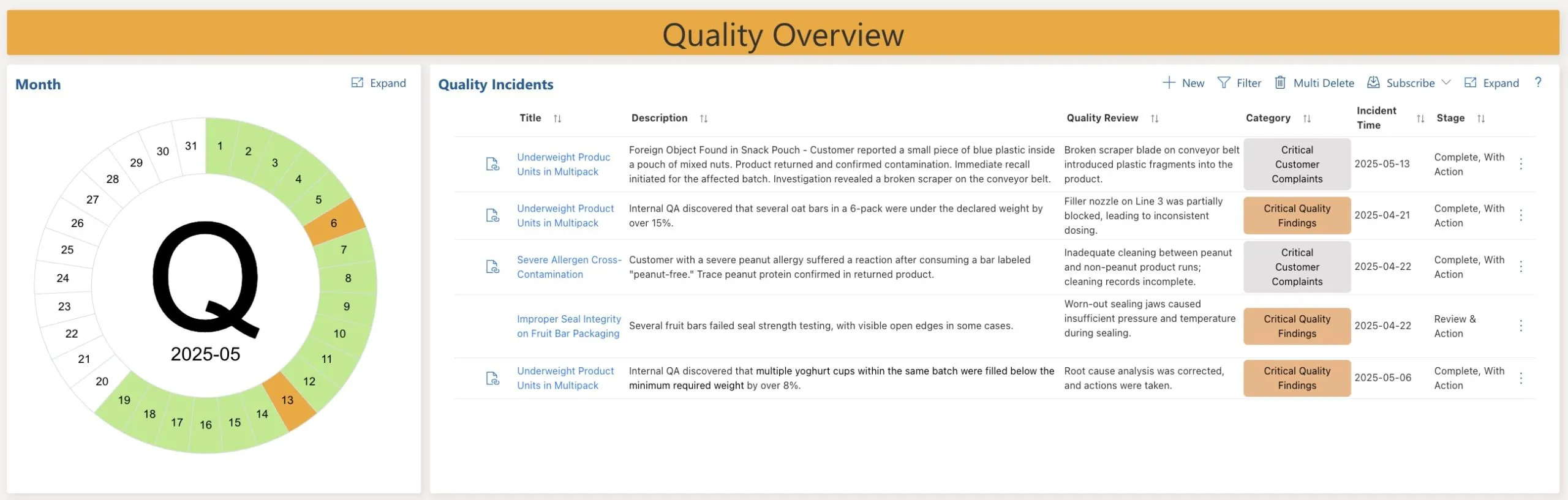 Image 1: Oil & Gas Terminals Digitalisation enables real-time quality checks and incident tracking through the Cyzag platform.
Through digital workflows, laboratories can upload and share results instantly. Operators and supervisors see progress in real time and can plan the next step accordingly. This connected approach shortens waiting times while maintaining traceability and quality standards.
4. Manual and Repetitive Verification
Wastage calculations and cargo measurements are frequent sources of waiting and delay. When verification depends on repeated manual measurements and slow approvals, valuable time is lost.
Digitalisation replaces these steps with standardised, automated workflows. Measurements are logged once or automatically calculated, approvals are visible to all, and decisions move forward without confusion. Consistency improves, operations speed up, and compliance records become effortless.
5. Limited Coordination and Planning Visibility
Anchorage congestion and scheduling conflicts often occur because teams lack a unified view of pier status and ongoing operations. Without shared data, ships wait longer at anchor and overall productivity drops.
By adopting connected dashboards and live operational views, terminals gain visibility into each process. Even without full scheduling automation, digital transparency helps teams coordinate better, prioritise resources, and keep cargo moving.
Empowering People, Not Just Processes
Technology improves efficiency, but people sustain it. Most operational delays and much of the waiting time originate from how information moves (or doesn’t) between teams.
Cyzag’s platform focuses on enabling frontline workers to digitise their own routines using no-code tools. AI strengthens this by highlighting recurring issues, offering data insights, and supporting on-the-job learning.
Operators and supervisors can create, adapt, and share digital forms and reports instantly. This citizen-developer approach makes digitalisation fast, scalable, and effective across multiple locations, turning everyday work into a source of continuous improvement.
Turning Problems Into Performance
Waiting and inefficiencies may be part of terminal operations, but they don’t need to stay that way. By connecting people, processes, and data, Oil & Gas terminals can transform waiting time into productive time.
Cyzag helps make this possible by creating visibility, structure, and collaboration that bring measurable improvements in performance. It’s AI-powered digitalisation built around the people who keep operations running.
Book a demo and understand how.
Follow Cyzag on LinkedIn for new articles and stories.