How Can You Reduce Your Variable Costs In Manufacturing?
Managing variable costs is crucial for staying competitive. Let’s get back to the basics of optimising Variable Costs in Manufacturing.
Updated 7 March 2025 3 min read
In the process industry, managing variable costs is crucial for maintaining a competitive edge. Raw materials, utilities, and hourly wages comprise a significant portion of these costs. By optimising these components, particularly raw materials, businesses can achieve cost reduction, resource efficiency, and enhanced competitiveness. Let’s get back to the basics of Variable Costs in Manufacturing.
Understanding Variable Costs
Variable costs are those expenses that fluctuate directly with production volume. Key components include raw materials, utilities, and hourly wages. Among these, raw materials are often the largest expense, making up 50-80% of total variable costs and 60-70% of total manufacturing costs for a chemical plant. By optimising these costs, companies can achieve:
-
Cost Reduction: Lowering raw material costs directly reduces overall production expenses.
-
Resource Efficiency: More efficient use of materials leads to less waste and better utilisation of resources.
-
Competitiveness: Reduced costs allow for more competitive pricing and improved market position.
Understanding these aspects can provide a strong foundation for any cost-reduction strategy.
Steps to Optimise Variable Costs in Manufacturing
Step 1: List and Map Raw Material Consumption
Begin by identifying the main raw materials used in your production processes. Create a simple and visual consumption map to understand how these materials are used. This map should highlight where each material is consumed and the quantities involved.
Step 2: Add Consumption Data
Gather data on raw material consumption. Distinguish between what can be measured directly and what requires estimation. For measurable consumptions, collect average data. For those that aren’t directly measurable, consider renting instruments for real-time monitoring or making educated estimates. Add the cost data for each material to your consumption map to understand their cost relevance.
Step 3: Prioritise Based on Cost Impact
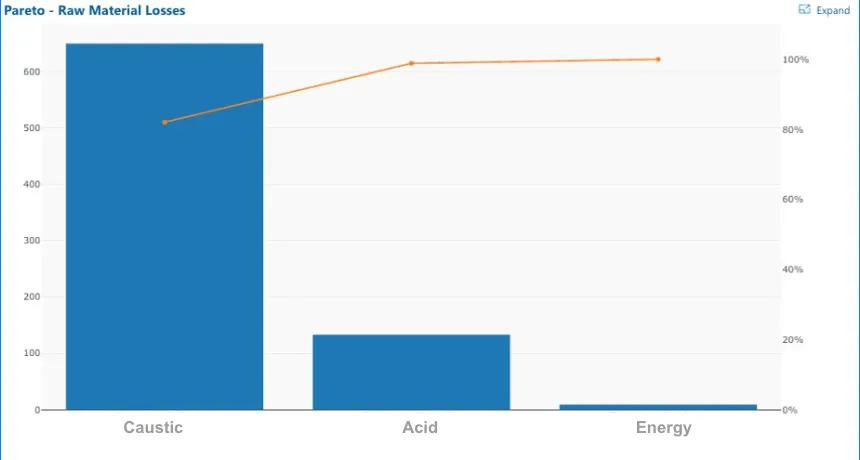
Once you have a clear picture of your raw material consumption and costs, prioritise areas for optimisation based on their cost impact. Focus on the highest-cost areas first, but also look for “low-hanging fruits” – quick wins that can be easily resolved and provide immediate cost savings.
Step 4: Collect Detailed Data
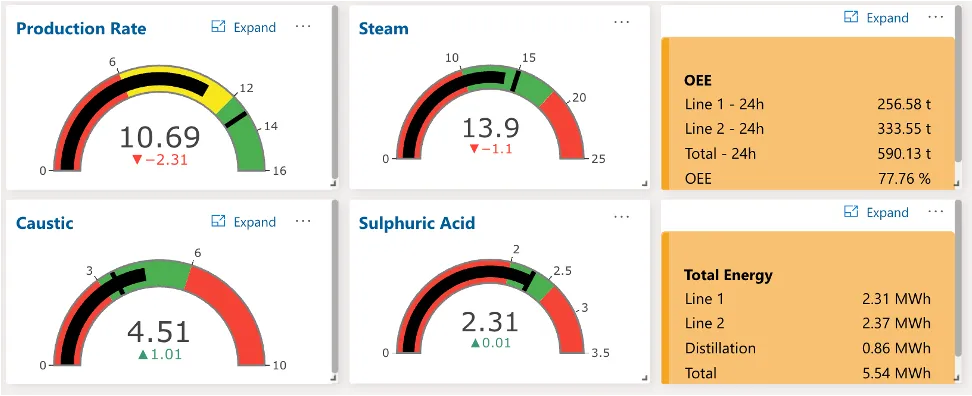
Collect detailed data on all points of consumption for the chosen raw materials. Use automatic data collection and visualisation tools to simplify this process. Statistical Process Control (SPC) tools, such as control charts, can help identify deviations and monitor improvements over time.
Step 5: Perform Root Cause Analysis
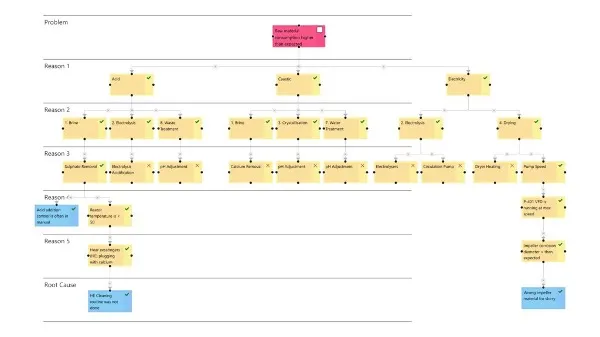
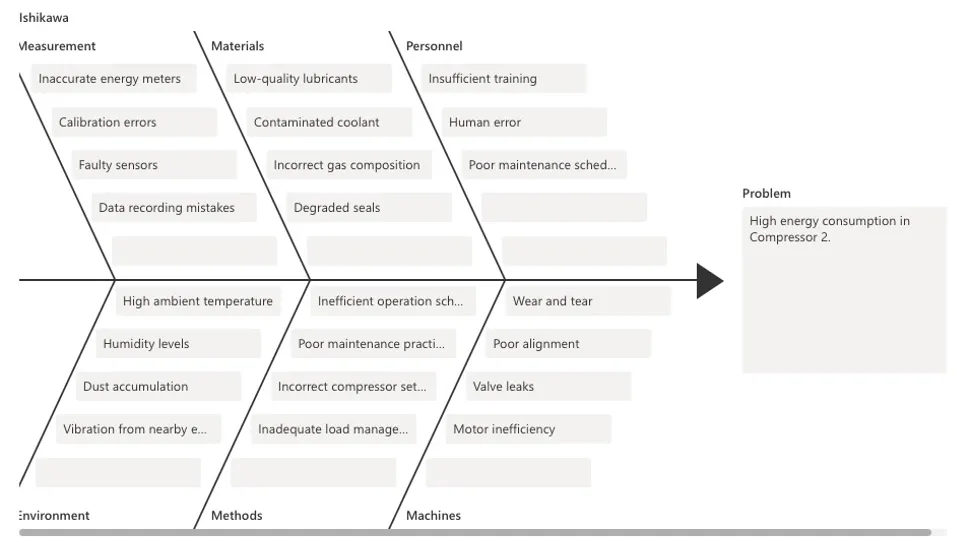
Conduct root cause analysis to identify the underlying causes of inefficiencies. Perform Gemba visits to observe the production process firsthand, review collected data, and consult with experienced staff. Use problem-solving tools like Ishikawa diagrams or the 5 Whys method with a multidisciplinary team to investigate and understand the issues.
Step 6: Implement Solutions
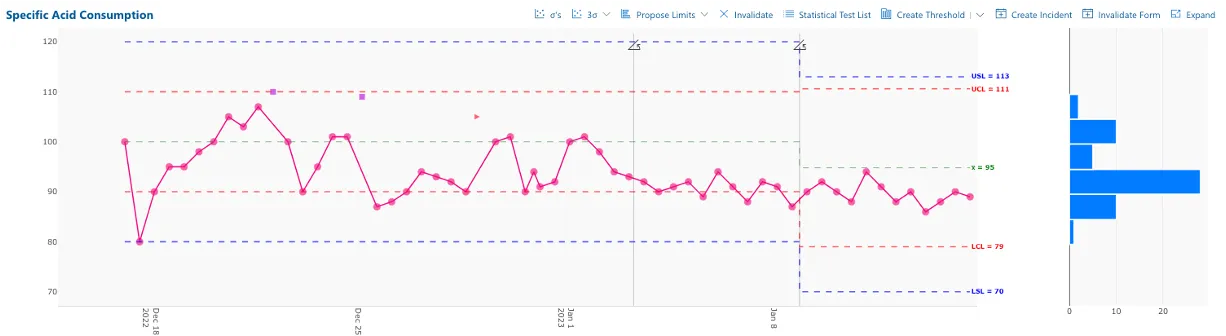
Communicate the identified causes and validate the proposed solutions. Implement these solutions methodically, using control charts to monitor progress and ensure that changes lead to the desired improvements.
Step 7: Make Changes Sustainable
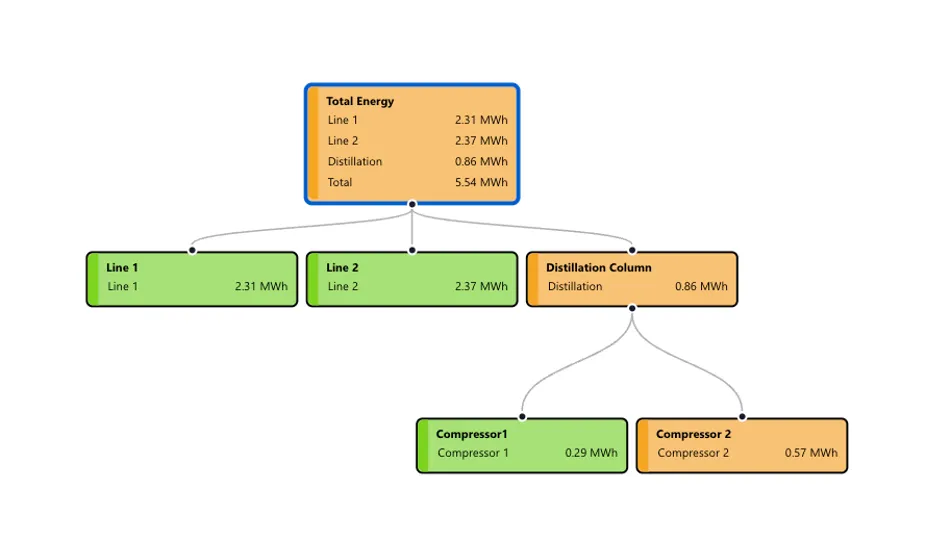
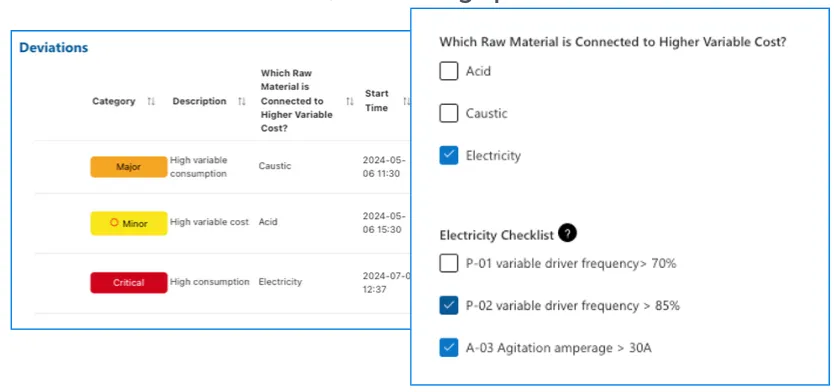
To ensure long-term success, standardise the validated solutions, making them easy to follow and integrate into regular operations. Digital tools can be highly effective in this phase. Implement parameter drill-downs based on online measurements and use colour coding to make problems and solutions more evident. Additionally, establish deviation tracking attached to online checklists to quickly identify and address common deviations.
Conclusion
Optimising variable costs, especially those related to raw materials, is a powerful strategy for reducing overall production expenses, improving resource efficiency, and maintaining competitiveness in the market. By following the outlined steps – from mapping consumption to making changes sustainable – companies can systematically reduce their variable costs and enhance their operational efficiency.
For those interested in exploring more advanced methods and tools for variable cost optimisation, consider booking a personalised demo to see how digitalisation can streamline and enhance this process.
Follow Cyzag on LinkedIn for new articles and stories.