The 7 Benefits of Digitalisation in Manufacturing You Need to Know
Discover the 7 key benefits of digitalisation in process manufacturing, from improved efficiency to enhanced collaboration and sustainability.
Updated 3 November 2025 5 min read
Industrial companies are at a crossroads—facing mounting pressures around sustainability, increasingly stringent regulations, and a rapidly ageing workforce. On top of that, constant shifts in operating conditions are creating an unprecedented and demanding environment. In response, manufacturers are turning to digital technologies to stay competitive and resilient. Here are seven benefits of digitalisation in manufacturing—each offering practical ways to boost performance, cut costs, improve quality and future-proof your operations.
According to a McKinsey report, companies that digitalise their manufacturing processes see an average of 15 to 30% labour productivity improvement. For the manufacturing sector, digitalisation is no longer optional; it’s essential. But what exactly does this mean for your operations, and how can you harness its potential? Let’s explore the 7 benefits of digitalisation that can transform multiple dimensions of your operations.
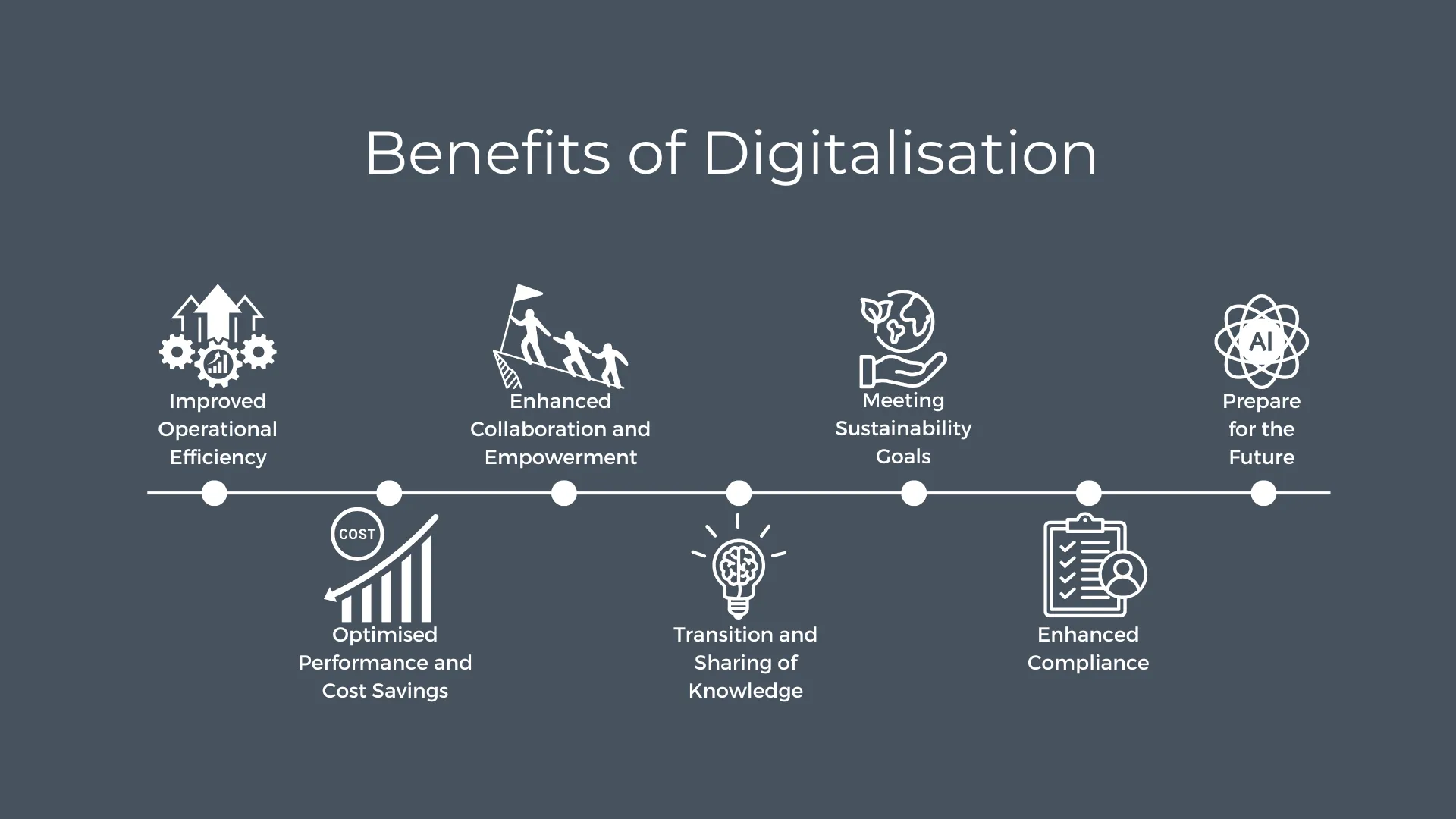 Image 1: The Seven Benefits of Digitalisation.
Benefit 1: Improved Operational Efficiency
Digitalisation breaks down information silos and streamlines workflows, allowing data to flow seamlessly across teams and processes and driving operational efficiency. This improves human and machine performance by eliminating inefficiencies and enabling real-time access to critical information. Repetitive tasks can be automated, freeing up time for employees to focus on more strategic work. The result is a more agile organisation—better equipped to meet customer demands, respond to market changes, and continuously improve.
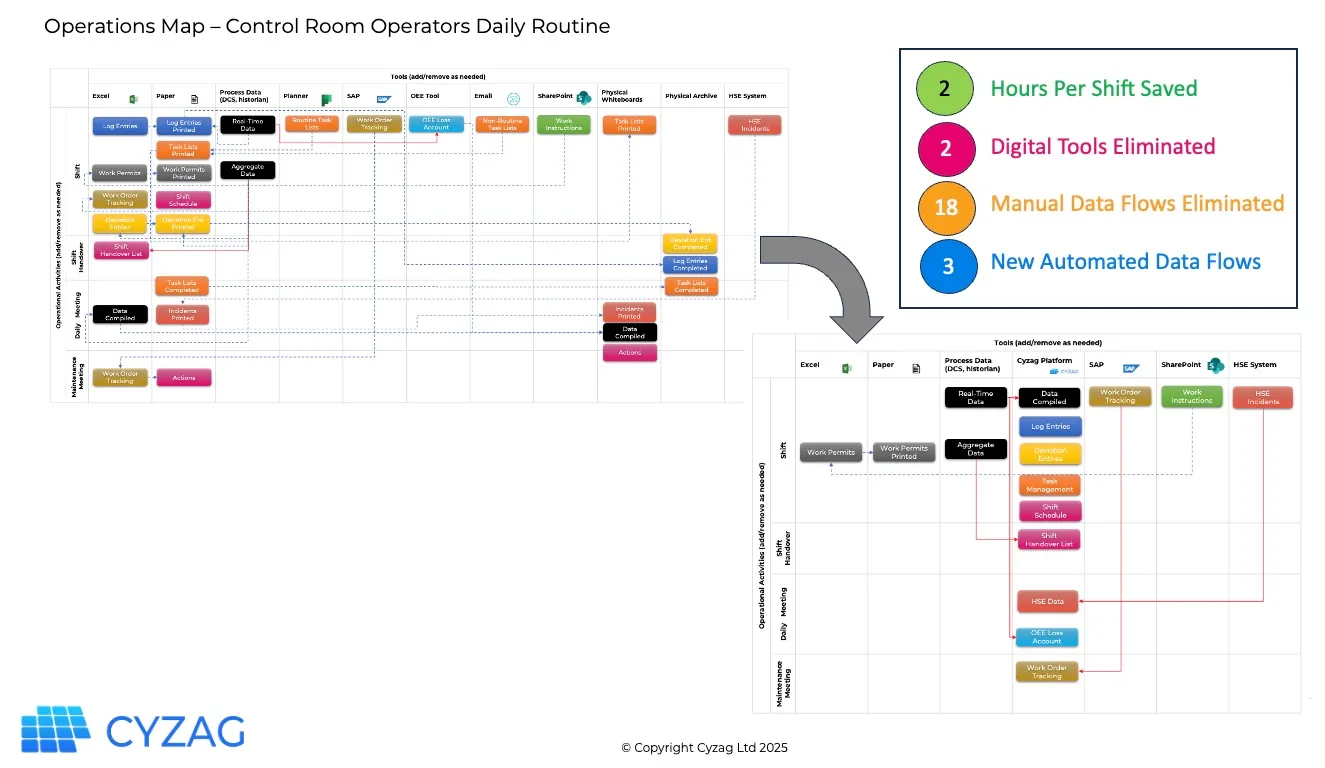 Image 2: Comparison of the operations map before and after Cyzag platform implementation: increased operational efficiency.
Benefit 2: Optimised Performance and Cost Savings
A key advantage of digitalisation is access to real-time, action-driven analytics. Rather than relying on static, delayed reporting, manufacturers gain live operational insights that help teams quickly identify and correct deviations, eliminate inefficiencies, and spot optimisation opportunities. Clear visual cues and intuitive interfaces enable faster, more effective decision-making to improve OEE, reduce resource consumption, and strengthen process control. Digitalisation drives measurable improvements in efficiency, sustainability, and overall performance by turning data into action.
Benefit 3: Enhanced Collaboration and Empowerment
When operations are digitised, teams are no longer working in isolation. A centralised, transparent data hub means that employees, whether on the shop floor or in the executive suite, are always aligned and can access a single source of truth. This empowers workers, especially frontline employees, whose knowledge is critical to the success of operations. Digitalisation fosters collaboration, allowing employees from different departments and levels to work together to solve problems and share insights. By valuing frontline expertise, manufacturers can enhance employee engagement and boost operational performance.
See our case study with a chemical manufacturing company to learn more: https://www.cyzag.com/digital-transformation-for-operational-efficiency/
Benefit 4: Transition and Sharing of Knowledge
As the manufacturing workforce ages and skilled workers retire, ensuring knowledge transfer becomes more critical than ever. Digitalisation helps mitigate the risk of knowledge gaps by capturing and storing critical know-how in accessible systems. One key aspect of this is empowering citizen developers—frontline employees who use low or no-code solutions to create digital solutions that suit their specific needs. By involving those closest to the process, companies can turn valuable tribal knowledge into structured, shareable insights, preserving expertise and making it accessible across teams and locations.
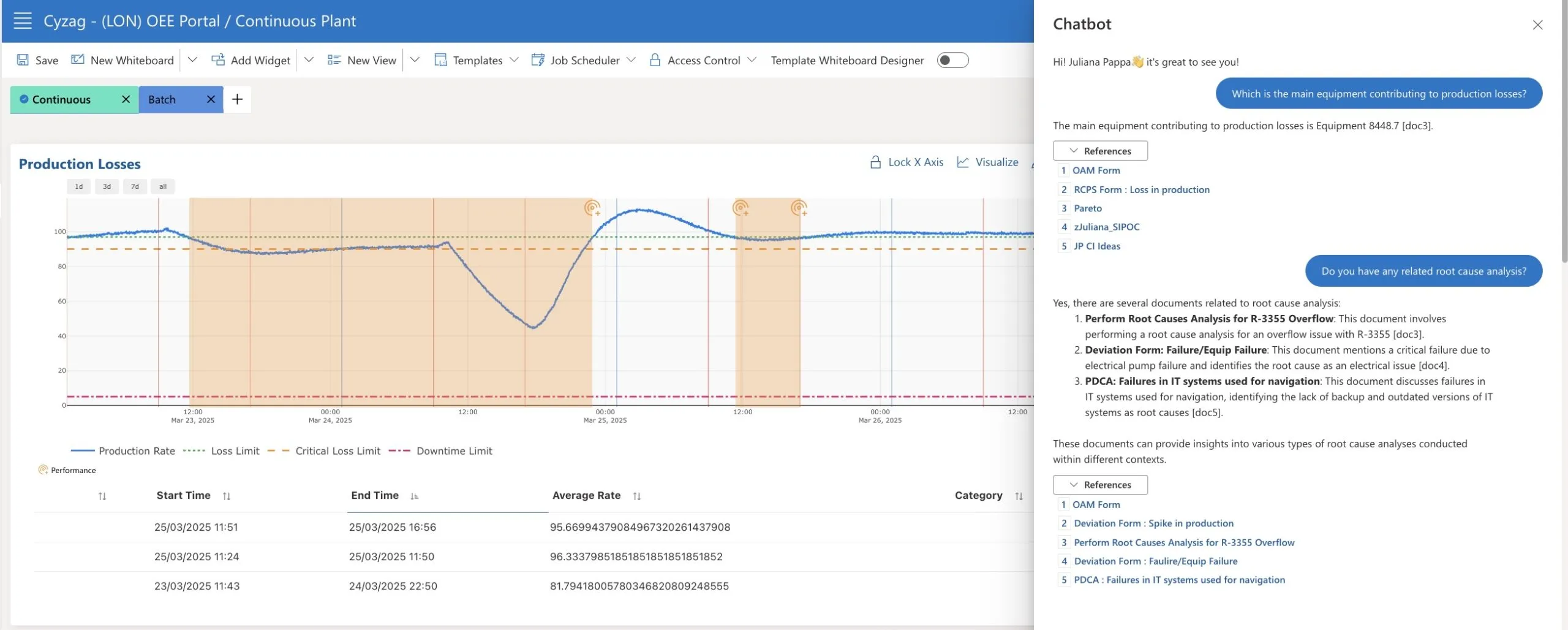 Image 3: The AI Chatbot in the Cyzag platform makes knowledge accessible and easy to retrieve.
Benefit 5: Meeting Sustainability Goals
Sustainability is a growing priority for manufacturers, with increasing demand for transparency in environmental performance. Digitalisation plays a vital role by providing real-time data on resource consumption, emissions, and waste generation. This data helps manufacturers track and reduce their environmental impact while also automating and optimising sustainability reporting. By making data more accessible and actionable, manufacturers can meet regulatory requirements and demonstrate their commitment to environmental stewardship—contributing to continuous improvement in sustainability efforts.
Benefit 6: Enhanced Compliance
Manufacturing industries face complex, ever-evolving regulations, making compliance a time-consuming process. By digitising processes, manufacturers can automate compliance checks and record-keeping, ensuring they meet regulatory requirements efficiently. Digital tools make it easier to track, audit, and maintain records, reducing administrative burdens and helping avoid costly fines. Having a digital trail of compliance data also enhances transparency, making it easier for manufacturers to respond quickly to audits and inspections, which ultimately supports operational excellence.
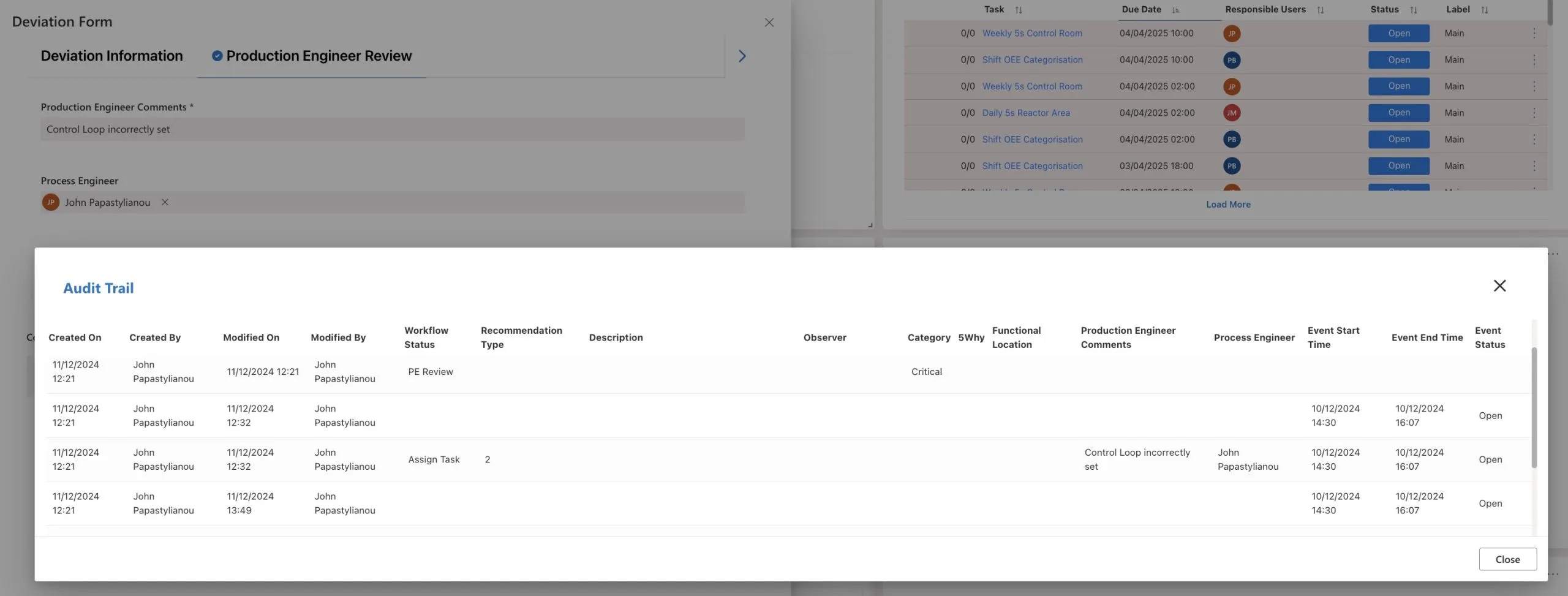 Image 4: Cyzag’s Audit Trail automatically tracks, audits, and maintains records within the platform.
Benefit 7: Prepare for the Future
The future of manufacturing is digital, and one of the most transformative technologies on the horizon is artificial intelligence (AI). However, AI should be viewed as a tool to empower people, not as a replacement for human workers. AI thrives on high-quality, robust data, and by embracing digitalisation today, manufacturers can lay the groundwork for AI-driven solutions.
When integrated correctly, AI enhances human capabilities rather than replacing them. Imagine AI analysing complex data in real-time, giving operators insights to make quicker, more accurate decisions and improving efficiency. By automating routine tasks, AI allows workers to focus on strategic tasks, fully leveraging their expertise. This people empowerment approach maintains a human-centred focus as AI and digital tools shape the future of manufacturing.
Conclusion
The benefits of digitalisation in process manufacturing are undeniable: improved efficiency, cost savings, enhanced collaboration, and meeting sustainability goals. By investing in a cloud-based, no-code platform like Cyzag, manufacturers can break down information silos and streamline operations. Digitalisation not only optimises current operations but also prepares organisations for technologies like AI, driving continuous improvement and long-term success.
For further insight into building a robust digitalisation strategy, check out our “How to Get Started with Digitalisation” whitepaper. This resource takes you step-by-step through the considerations to make as you transition to a fully digital manufacturing environment.
Follow Cyzag on LinkedIn for new articles and stories.