Time Wasters – How to Find and Eliminate Them in Industry
Busy all day in the industry but getting nowhere? Find out the top 5 time wasters and how to eliminate them and improve productivity.
Updated 5 March 2025 5 min read
Time wasters are common in industrial operations, often going unnoticed while quietly eroding productivity and business performance. Distractions, redundant tasks, and inefficient processes contribute to significant losses at both individual and operational levels.
Your team can focus on what matters by identifying and eliminating these hidden inefficiencies. Let’s explore the key time wasters affecting productivity and how to tackle them effectively.
Why Time Wasters Matter
Did you know that workers waste nearly two full working days every week—around 12.6 hours—on tasks that add little or no value? According to a recent survey by Sapio Research, these inefficiencies cost UK businesses approximately €300 million in lost productivity yearly. This creates a significant financial burden and affects employee satisfaction and retention.
By tackling time wasters, businesses can:
-
Improve operational efficiency and reduce costs.
-
Identify and resolve process bottlenecks.
-
Boost workforce productivity and engagement.
-
Enhance employee retention and job satisfaction.
-
Drive continuous improvement across operations.
Understanding Time Wasters in Industry
In Lean thinking, waste refers to anything that does not add value to the customer. Time wasters fall into this category, representing moments when employees are not engaged in productive, value-adding work. These inefficiencies often arise from distractions, inefficient processes, or outdated systems.

Work activities generally fall into three categories:
-
Value-Adding Work (VA): Tasks that directly contribute to production and business goals, delivering tangible value to the customer.
-
Non-Value-Adding Work (NVA): Pure waste that should be minimised or eliminated, such as waiting times, rework, and duplicate work.
-
Unavoidable Non-Value-Adding Work (NVA-UN): Essential tasks that don’t directly add value but are necessary for operations, such as compliance-related activities or administrative duties.
How to Identify and Measure Time Wasters
To effectively reduce time wasters, businesses need structured methods that provide valuable insights into daily operations. Two proven methodologies are DILO (Day In the Life Of) and Gemba Walks, which help uncover inefficiencies and optimise workflows.
-
DILO involves observing employees’ daily activities to assess efficiency and identify areas for improvement.
-
Gemba Walks takes managers directly to the workplace to observe processes firsthand, engage with employees, and pinpoint inefficiencies.
-
Combining these approaches provides a comprehensive way to measure where time is lost and take targeted actions to improve productivity.
Steps to Implement These Methods
Once businesses understand the different types of work (VA, NVA, and NVA-UN), they can apply DILO and Gemba Walks using these steps:
-
Define the observation area and inform teams in advance to ensure transparency and openness.
-
Observe and document daily activities, categorising tasks into value-adding (VA), non-value-adding (NVA), and unavoidable non-value-adding (NVA-UN) tasks.
-
Collaborate with employees to analyse findings, gather feedback, and identify improvement opportunities.
-
Identify ways to eliminate NVA and minimise NVA-UN to optimise processes and improve efficiency.
Common Time Wasters —and How Cyzag Can Help
Some tasks may seem necessary but actually drain productivity and mask inefficiencies. Below are some of the biggest time wasters and how the Cyzag platform helps eliminate them.

1. Inefficient Processes and Manual Work
The Waste: Manual reporting, repetitive data entry, and excessive compliance tasks take up valuable time, reducing efficiency and increasing the risk of errors.
How Cyzag Helps: Cyzag automates data collection and reporting, eliminating tedious manual tasks and improving accuracy. By empowering plant and process engineers, called citizen developers, to create and adjust digital workflows without IT support, Cyzag enables teams to improve processes and operational efficiency.
2. Poor Communication and Collaboration
The Waste: Unclear instructions, too many meetings, and inefficient handovers cause confusion and delays.
How Cyzag Helps: Cyzag provides a central place for real-time communication and task tracking, ensuring everyone is aligned. Its AI-powered search allows teams to quickly find critical information while streamlined shift handover tools reduce miscommunication and errors.
3. Waiting and Approval Delays
The Waste: Slow approvals and complicated disrupt operations and create bottlenecks.
How Cyzag Helps: Cyzag speeds up approvals with automated workflows and instant notifications. The platform ensures teams have the right data in the right context, enabling faster decisions and proactive resolution.
4. Lack of Organisation and Prioritisation
The Waste: Employees waste time looking for tools or data and often focus on low-priority tasks due to poor organisation.
How Cyzag Helps: Cyzag offers easy-to-use dashboards, making critical information easy to find. Features like performance boards and prioritisation tools ensure teams stay focused on high-impact tasks, improving accountability and engagement.
5. Errors and Rework
The Waste: Mistakes, lack of proper training, and inefficient processes lead to wasted time and extra work.
How Cyzag Helps: Cyzag standardises processes, provides step-by-step guidance, and visual tracking of deviations to prevent mistakes. Teams can quickly create and adjust digital solutions, reducing rework and driving continuous improvement.
Case Study: Finding Time Wasters in a Chemical Plant
In one chemical plant, the goal was to identify time-wasting activities for the control room operator and free up time to focus on high-value tasks, such as Identifying and addressing safety risks and investigating opportunities to optimise variable manufacturing costs. To achieve this, the team used the DILO method and Gemba Walks, leading to the following observations:
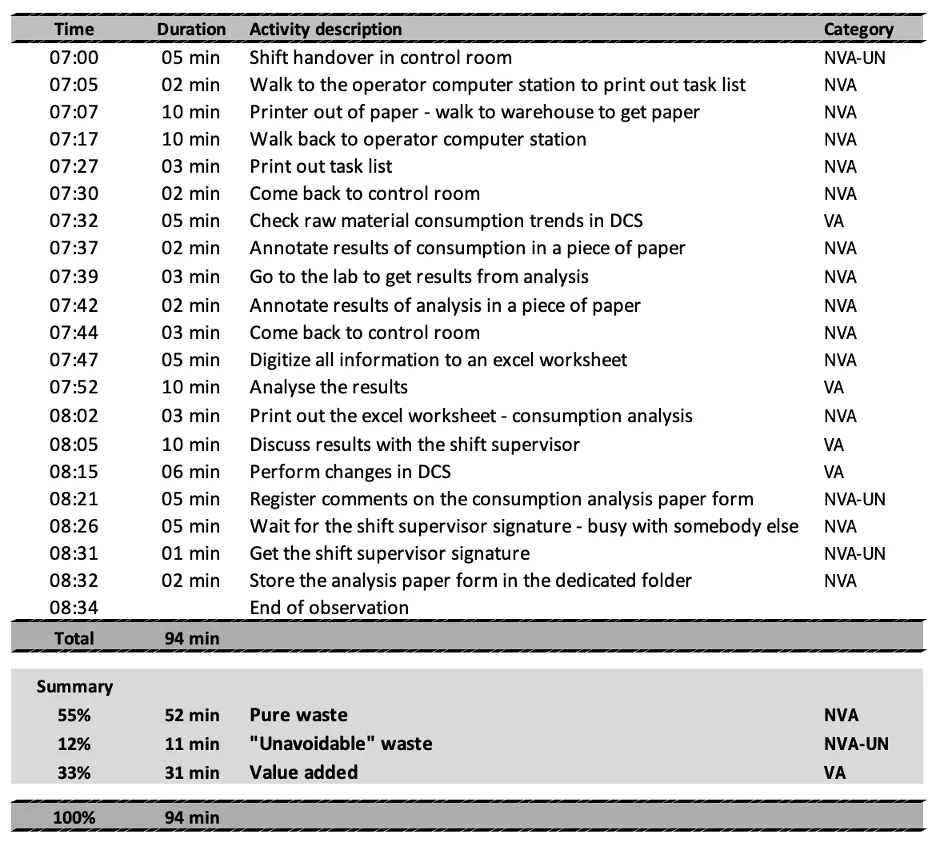 Image 1: DILO analysis before improvements.
Only 33% of the operator’s time went to value-adding tasks, while 55% was pure waste. The biggest inefficiencies came from unnecessary motion, such as walking, searching for materials, and manual data entry.
Solutions Implemented
To cut 52 minutes of pure waste, the plant team implemented the following solutions:
-
Applied 5S principles to organise workspaces and minimise unnecessary movements.
-
Created an operations map to visualise information flows and remove redundant steps.
-
Used the Cyzag digital platform to integrate data from production and lab systems. The platform automated data collection, provided an integrated workspace for real-time access and enabled seamless collaboration. Supervisors improved operational oversight, and shop floor employees could contribute more effectively.
After implementation, the plant eliminated all pure waste.
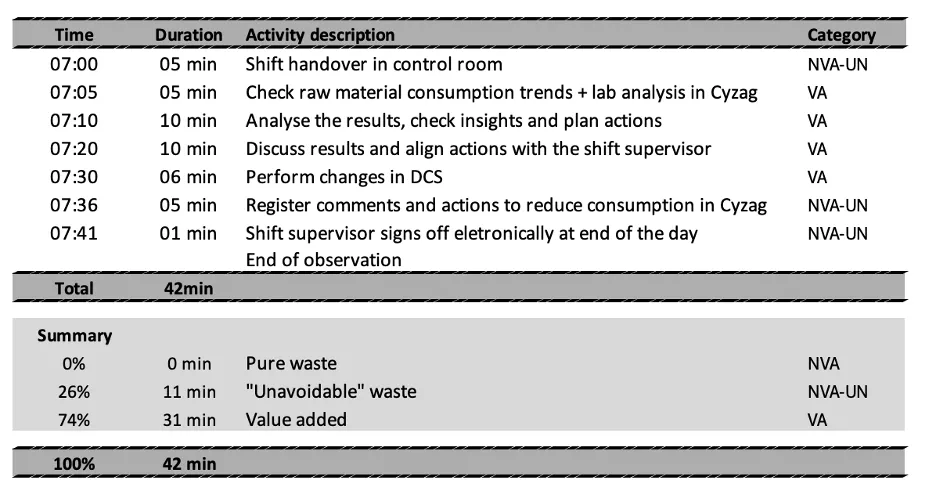 Image 2: DILO analysis after improvements.
These solutions significantly reduced time wasters and improved operational efficiency. The chart below summarises the observations and highlights the impact of these changes. Notably, while the time spent on unavoidable waste remained the same (11 minutes), its percentage increased due to the overall reduction in total process time. The next improvement cycle will focus on reducing unavoidable waste.
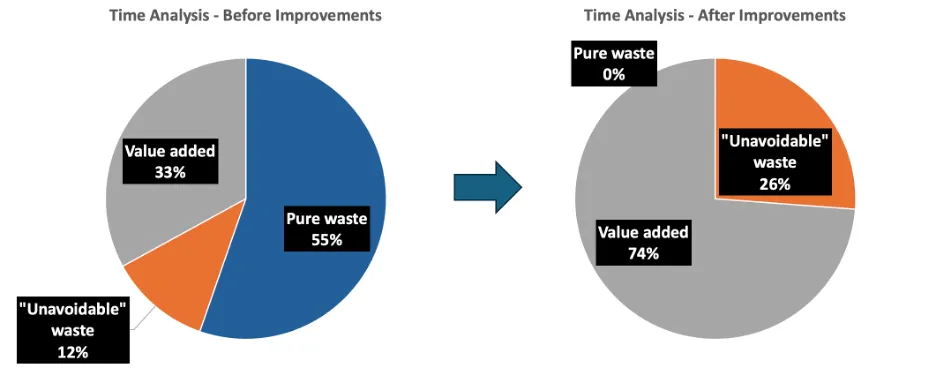 Image 3: Time Wasters – Comparison Before and After Improvements
Conclusion
Identifying and eliminating time wasters is key to improving productivity and profitability. By using structured methodologies like DILO and Gemba Walks, combined with digital solutions like Cyzag, businesses can gain actionable insights to streamline operations and boost efficiency.
Taking the first step to measure and eliminate time wasters today can unlock the full potential of your workforce and operations.
Ready to take action? Book a demo to see how Cyzag can help your business eliminate time wasters and improve productivity.
Follow Cyzag on LinkedIn for new articles and stories.