Standardised Work – The Basics You Need to Know
Standardised work is a powerful tool for creating consistency and enhancing safety and efficiency in industry. Let's get to the basics.
Updated 5 March 2025 6 min read
Standardised work is often misunderstood as just a stack of documents. In reality, it is a powerful tool that creates consistency, enhances safety, and improves efficiency in daily industrial operations. As Jeff Likeraptly said, “Standardised work can be an ugly thing in the hands of control-oriented bureaucrats and a beautiful thing when it enables creativity and continuous improvement.”
 Image 1: Standardised work improves safety and efficiency but risks becoming bureaucratic without regular updates and support.
Let’s dive into the basics of standardised work and explore how it can transform your operations.
What is Standardised Work?
Standardised work is a structured method for performing tasks consistently and efficiently. It represents the best way to perform the work that is presently possible. This “presently possible” means today’s best-known way, which can continuously be improved upon. It ensures that every task is completed precisely, meeting operational, safety, and quality standards.
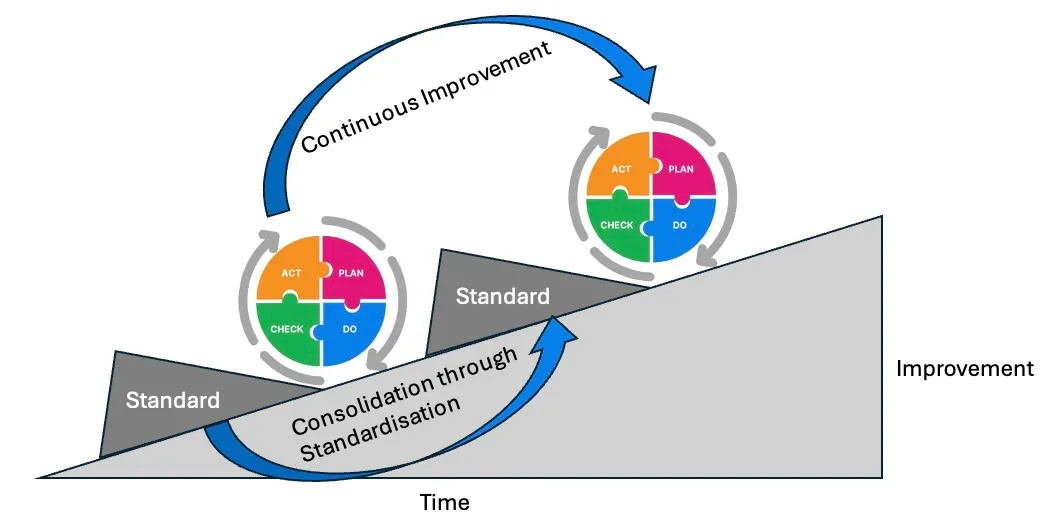 Image 2: Standardised Work and Continuous Improvement Interdependency.
Kaizen and standardised work are interdependent—neither can thrive without the other. Without regular improvement, standardised work becomes static and ineffective.
Why Does Standardised Work Matter?
The benefits extend across multiple dimensions. It minimises risks by ensuring adherence to best practices and enhancing safety throughout operations. Reducing variability fosters stability and guarantees consistent outcomes. Additionally, it optimises workflows to minimise waste, driving efficiency. Finally, standardised work is a foundation for continuous improvement, providing a reliable baseline for Kaizen initiatives.
Key elements of Standardised Work
Standardised work originated in discrete manufacturing processes, where repetitive tasks are common and consistency is crucial. It traditionally includes three core elements:
-
Work Sequence: Clear, step-by-step instructions outlining how tasks should be completed.
-
Timing: Specifies the optimal timeframes to ensure tasks are performed efficiently.
-
Resource Use: Defines the tools, materials, and information required to execute tasks effectively.
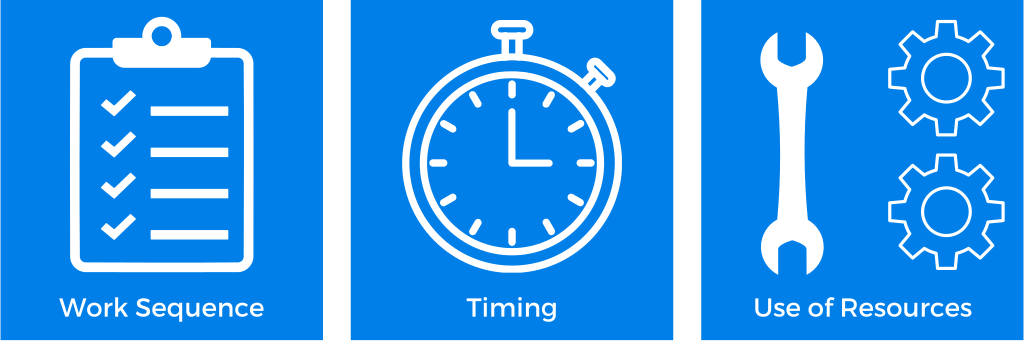 Image 3: Elements of Standardised Work.
The original tools to organise the elements of standard work are:
-
Process Capacity Sheet: Calculates the capacity of processes in a linked arrangement, helping to confirm true capacity and identify/eliminate bottlenecks.
-
Standardised Work Combination Table: Displays the combination of manual work time, walk time, and machine processing time for each team member.
-
Standardised Work Chart: Visualises operator movement and material location to machines and the overall layout of the work area.
Applications in the Process Industry
Although standardised work is traditionally associated with the tools mentioned above, process manufacturing industries such as chemicals, oil and gas, and plastics often rely on other formats that better suit the demands of these environments. These include:
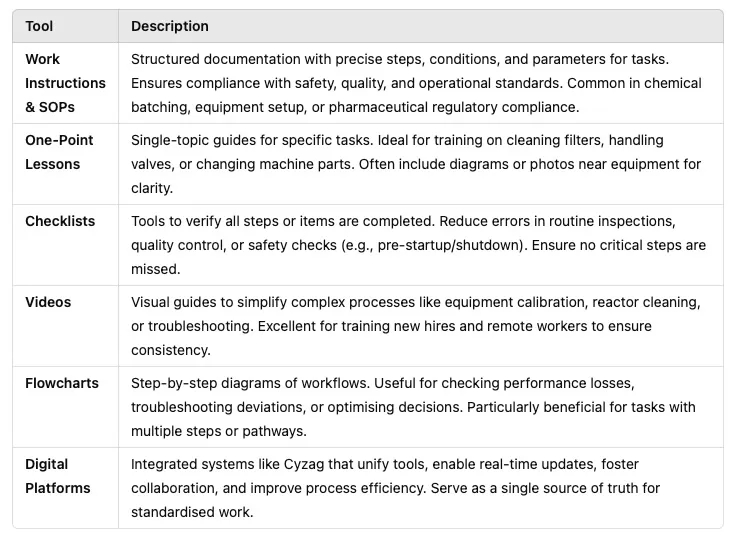
Each method has its strengths and weaknesses, but the overall goal remains the same: to lay a solid foundation for problem-solving and continuous improvement (Kaizen).
Real-World Examples of Applications in the Process Industry
Work processes performed frequently and following specific protocols greatly benefit from standardisation in manufacturing. Now, let’s explore two real-world applications in the industry.
Example 1: Optimising Cartridge Filter Maintenance in Oil & Gas
In an oil and gas plant, the goal was to develop standardised work for cleaning and maintaining a cartridge filter installed in water piping. The objective was establishing a baseline to ensure the task was performed safely and efficiently. Recurring gasket leaks and extended shutdown times during filter cleaning negatively impacted line performance and OEE (Overall Equipment Effectiveness).
The team addressed these challenges by creating the first instruction for frontline workers. Initially developed on paper, this version enabled workers to evaluate and refine the process using PDCA (Plan-Do-Check-Act) cycles. Recognising the advantages of digitalisation, the team transitioned to a digital version. This shift simplified tasks by making checking the required PPE, tools, and materials easier. Additionally, it ensured accurate adherence to critical parameters by incorporating visual limits for the process’s necessary specifications.
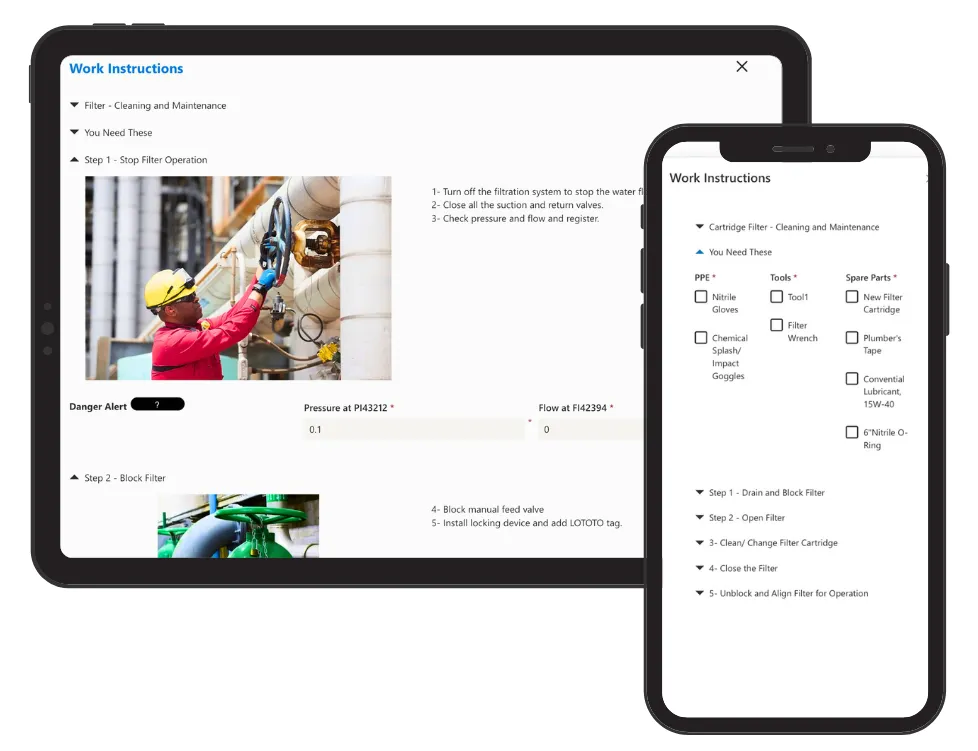 Image 4: Digital work instruction in the Cyzag platform.
The improvement cycle continues with the ongoing application of the PDCA methodology, ensuring further optimisation and adaptation of the process for enhanced safety, efficiency, and performance.
Example 2: Batch Performance Loss Tracking in Chemicals
At a chemical plant, the objective was to document the best-known method for identifying and addressing performance losses in product batches and improving OEE. Recurring losses were challenging, with root causes that varied between shifts and were often unclear.
To tackle this, the team developed a standardised work instruction for control panel operators, leveraging Cyzag’s digital platform to integrate digitised instructions, dashboards, and workflows. This comprehensive solution enabled them to:
-
Collect Data: Automatically gather performance metrics, such as yield and downtime, to ensure accurate and consistent monitoring.
-
Compare with Standards: Use real-time system feedback to assess performance and identify losses effectively.
-
Highlight Deviations: Automatically detect and flag deviations in performance for immediate attention and action.
-
Identify Root Causes: Employ guided workflows, including Parameter Drilldowns and problem-solving tools like 5 Whys and Ishikawa diagrams, to pinpoint underlying issues.
-
Document Findings: Digitally record losses, root causes, and proposed improvements, ensuring traceability and collaboration. Facilitate team lead reviews and seamlessly track approval steps when necessary, with all processes automated following predefined workflows.
-
Implement Improvements: Schedule and monitor corrective actions for subsequent batches, creating a structured feedback loop for continuous improvement.
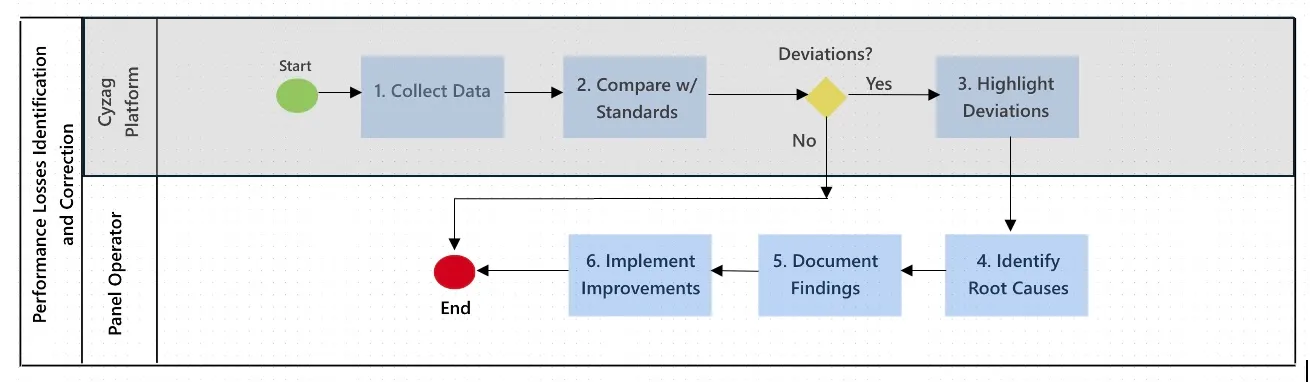 Image 5: Batch Performance Flowchart within Cyzag platform with automated workflows.
These efforts resulted in a repeatable process and established a robust baseline for Kaizen (continuous improvement), driving operational efficiency and consistency across shifts and reducing batch losses.
Leadership’s Role in Success
Leadership is critical to the success of standardised work, as it ensures the system remains a tool for improvement rather than becoming a bureaucratic burden. Frontline supervisors play a vital role in this process, shifting their focus from merely enforcing compliance to actively supporting people. Supervisors must set clear expectations, provide proper training, and dedicate sufficient time to guide and assist their teams. To ensure consistency in their support, frontline supervisors need their own version of standardised work.
Middle managers, meanwhile, are responsible for equipping frontline supervisors with the necessary resources. They must provide the right processes and tools and ensure supervisors have adequate time to fulfil their roles effectively. By fostering collaboration across all levels of leadership, standardised work transforms into a dynamic and empowering framework that drives continuous improvement, boosts worker engagement, and reduces inefficiencies.
How Digitalisation Enhances Standardised Work
Digital platforms like Cyzag revolutionise standardised work by improving consistency, efficiency, and adaptability. Automated updates keep standards accurate, while integrated workflows centralise instructions and processes, reducing errors. Tools for data collection, analysis, and task automation ensure seamless adherence to workflows.
These platforms also support continuous improvement through built-in PDCA tools and flexible templates, enabling standardisation across sites. Step-by-step guidance boosts worker engagement, and digital records promote sustainability by reducing paper use and improving traceability.
Cyzag further enhances standardised work with customisable workflows, adaptable forms, visual process diagrams, real-time event detection, and task management tools. Together, these features streamline operations, improve operational efficiency, empower teams, and drive continuous improvement.
Book a demo with us today and explore how to streamline your workflows and achieve operational excellence with digitalisation.
Follow Cyzag on LinkedIn for new articles and stories.