People in Manufacturing: Driving Efficiency with Data and Technology
Discover how people in manufacturing drive efficiency with data and technology, empowering smarter decisions and sustainable business success.
Updated 2 April 2025 5 min read
Manufacturing organisations face constant challenges, pushing them to adopt leaner operations, cut costs, and implement digital technologies. While process improvements and new technologies are crucial, people in manufacturing remain the driving force behind efficiency and sustainability. Their expertise and adaptability are essential for responding to industry demands and achieving long-term success.
More than just collecting information, digital transformation must deliver actionable data—empowering individuals to make smarter decisions and work more efficiently. This article explores the critical role of the human factor in manufacturing and how leveraging data can enhance both performance and business outcomes.
Using Data to Empower People in Decision-Making
Moving beyond the realm of data, the effective utilisation of digital technology becomes pivotal in delivering actionable insights and crucial information. The data revolution transcends mere information collection; it empowers individuals to operate smartly and influence their business decisions.
A recent survey from iBASEt published by the Forbes Technology Council engaged over 400 manufacturing executives across the United States and the United Kingdom. The findings reveal that a mere 44% of respondents perceive recent modernisation endeavours as having yielded actionable data, leaving a significant 19% yet to capitalise on any data-driven insights.
“When digital transformation is done right, it’s like a caterpillar turning into a butterfly. But when done wrong, all you have is a really fast caterpillar.” — George Westerman, MIT Sloan Initiative on the Digital Economy
The same survey underlines a persistent reliance on outdated manual processes within a substantial chunk of manufacturing enterprises:
-
95% of survey respondents use paper-based vs digital processes, while 27% use paper for over half of all activities.
-
98% continue using spreadsheets, including Microsoft Excel, even while adopting digital transformation strategies. In fact, half (50%) of those surveyed say they use paper-based systems for “the majority” of processes.
Although it may not be simple, there exists a feasible and improved approach to data democratisation. The first step is enabling people to go digital by giving them tools that make their jobs easier with automation. The second one is empowering them to use and own the tools, which is sustainable only if it runs on aligned and efficient work processes.
Engage Employees in the Process of Digital Transformation
There is a perception that technology is designed to replace people. However, a successful organisation knows that technology is best used when it enables individuals to perform better in their daily work, pursue a culture of continuous improvement, and feel valued. This is why people are key to sustainable manufacturing.
Even then, many industrial digital transformation initiatives fail due to the lack of active user involvement during the design phase of the process. A case in point emerges from one of our customers – a European chemical manufacturing leader, where a senior manager in digital transformation detailed their initial strides.
In a recent dialogue, this manager shared insight: “We didn’t start the journey in the best way possible. A decision was taken to standardise all plants’ production reporting systems and bring all the factories’ data into one database. From a standardisation and data architecture point of view, it made sense. However, from a user and process improvement perspective, the value was much harder to find. And that led to frustration and resistance during the project.”
Tailor Digital Tools to Create a Connected Frontline Staff
For decades, digital tools tailored for manufacturing have predominantly been constructed with a narrow focus on specific business outcomes, often sidelining the resolution of individual user problems. This paradigm does not imply an inherent conflict between overarching outcomes and user-centric resolutions. Instead, it enforces that incorporating the end users into the solution is the most efficient and predictable way to achieve the best overall result.
Illustrating this principle, the chemical company above decided to change its approach and work with the “voice of the customer”—in this case, the manufacturing staff—in addition to the “voice of the business.” The company got help from Cyzag to develop a tool using design thinking. This methodology places the user at the core of the design, aligning the software with their specific needs and problems.
After the team understood what would deliver value to the operators following some iterations, our platform broke the initial resistance, and change happened with less friction. Our customer added: “Cyzag developed a modern tool together with some operators from one of the plants. The result of this user-centric approach is an attractive and intuitive interface. People in the plant are happy to use it. And they can provide feedback on the tool and see the improvement in the tool itself happening very fast. And this was really the first success, the first time I got positive feedback in that whole big project.”
Empower People to Take Charge of Work Processes
Enabling people by using technology is the starting point. To make digital tools sustainable, it is necessary to empower people in manufacturing to use them to deliver their best every day. However, this journey is not instantaneous; sustainability takes root only when users discern the inherent value embedded within the tools. Work must be easier and more efficient using digital tools, which requires the tools to be adequate and the work processes to be aligned and efficient.
When operators start seeing the results of their work, they feel more confident making data-based decisions. Low-value tasks are then reduced, signaling that the tool’s adoption is on the right track. Using a tool like Cyzag platform is part of a new way of working.
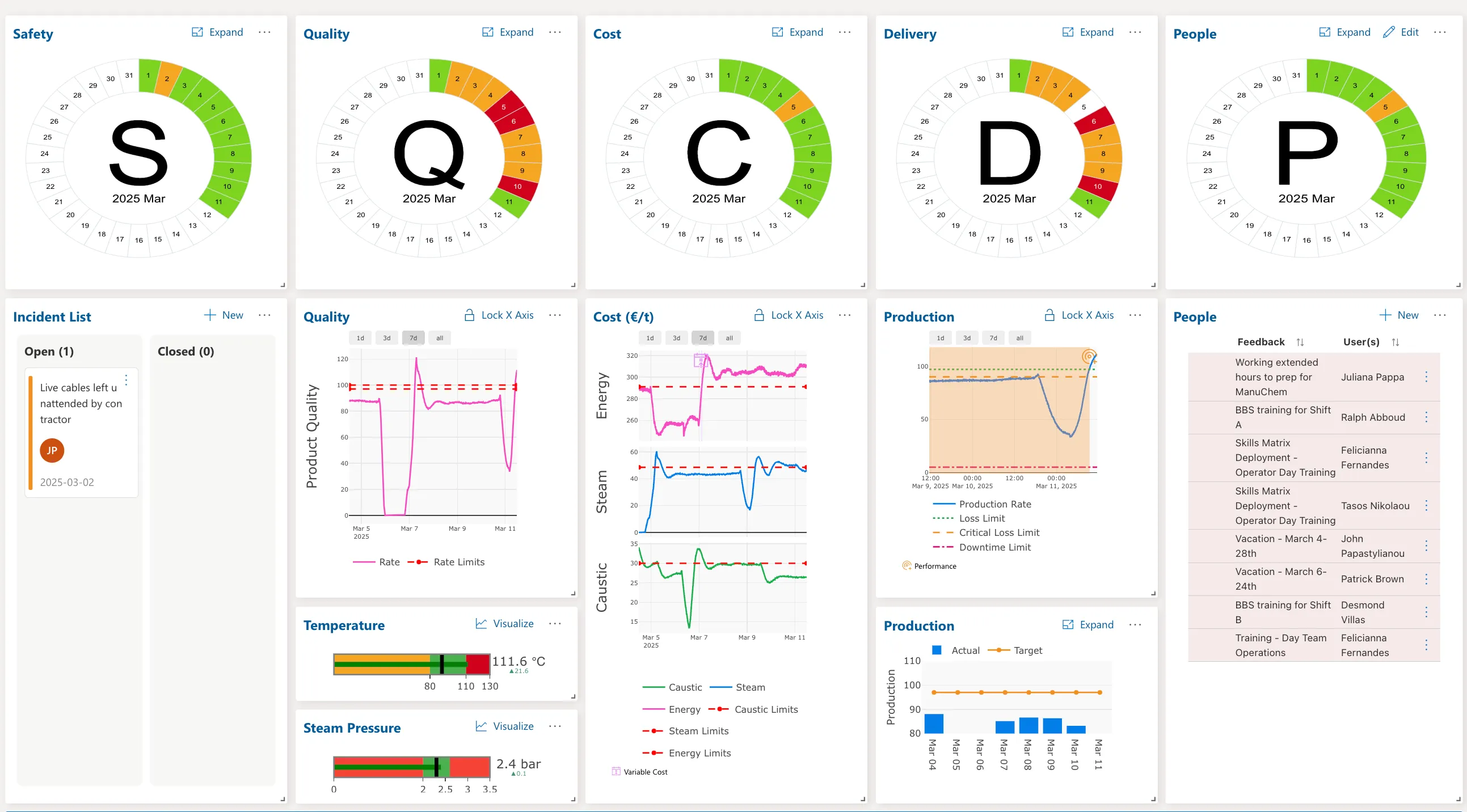 Image 1 – Cyzag platform enables people in manufacturing to work smarter.
“Now we have a tool that helps operators identify production losses and maps them to their respective root causes. That works, people use it, and it creates a great information source ready to use for continuous improvement. You can see the benefit of bringing the information and the action closer to the shop floor”, he added.
Summary
People are the key to sustainable manufacturing success. The change in behaviour where frontline workers own performance improvements can be challenging initially, but it is hard to stop after building momentum.
We empower your frontline staff to leverage data at the manufacturing process source and improve operational efficiency. Give power to your people with Cyzag.
Follow Cyzag on LinkedIn for new articles and stories.