How to Start with Process Improvement: People
Our 3-part series dives into the essentials for enhancing manufacturing efficiency in the process industry. Here we focus on People.
Updated 12 March 2025 6 min read
Are you struggling with the challenge of driving improvements in your manufacturing plant? You’re faced with countless hurdles, from inefficiencies to bottlenecks, hindering progress at every turn. The starting point to overcoming these hurdles lies in mastering the fundamentals of process improvement. If you’re a process engineer, plant engineer, or continuous improvement professional eager to elevate your operations, this blog is for you.
Our 3-part series dives into the essentials for enhancing manufacturing efficiency in the process industry – People, Processes, and Tools.
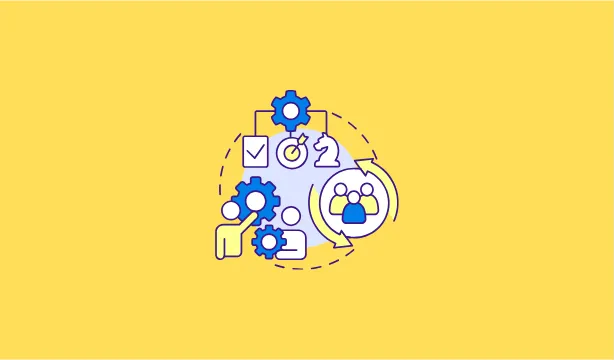
 *Image 1 – The three aspects of manufacturing efficiency: People, Processes, and Tools. *
In this first part, we zoom in on the crucial role of People in driving transformative change. Let’s start with some context.
The Importance of Process Improvement
The process industry is grappling with rising inflation, supply chain constraints, and escalating energy costs, underscoring the urgent need to enhance productivity. In a recent global survey of 270 manufacturing executives conducted by Bain, productivity emerged as their top priority.
This emphasis on productivity will persist as their primary agenda for the next two years, as indicated in Image 2.
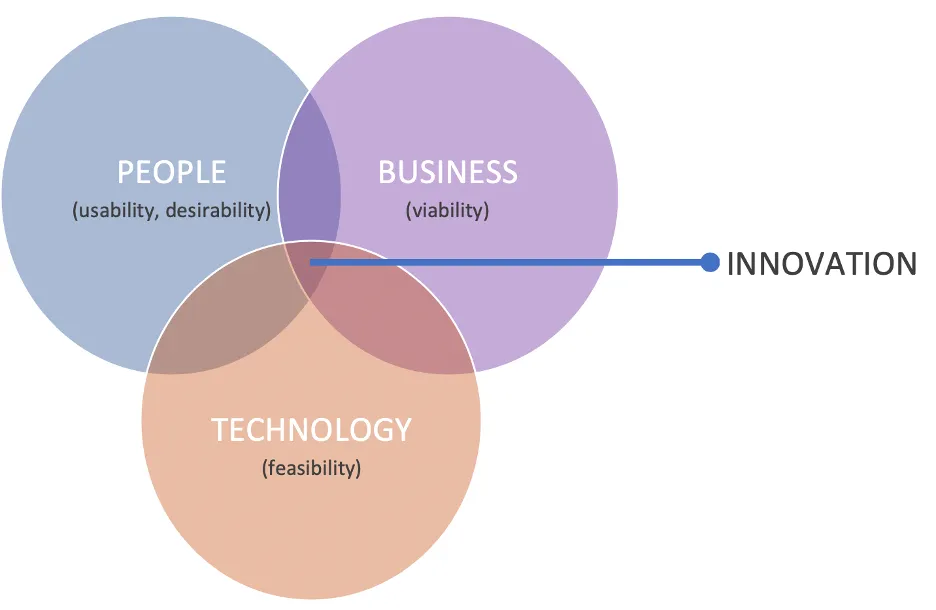 *Image 2 -Manufacturing executives’ No. 1 priority – Bain survey. *
Manufacturing process improvement directly impacts productivity by enhancing efficiency, quality, speed, flexibility, and employee engagement within the manufacturing environment. So, boosting process improvement is a powerful way to deliver the outcomes prioritised in manufacturing organisations for the next years.
People: Harnessing Human Capital for Operational Excellence
While improved processes and new technologies are crucial, little can be achieved without people. People are essential to sustainable manufacturing. Engaging and empowering employees can significantly impact process efficiency, innovation and profit.
According to a study conducted by Gallup, organisations with engaged workers have 23% higher profit than their non-engaged counterparts. In the process industry, this translates into 4 main synergistic approaches: respect for people, training and skills, cross-functional teams and job rotation. Let’s explore these further below.
Respect for People
Most of us recognise and emphasise the necessity of eliminating waste to deliver greater value through adopting efficient work processes with the help of suitable tools. However, what is often overlooked in the adaptation of improvement techniques, especially from Lean principles. This is the fundamental concept of respecting people as the cornerstone of improvement efforts.
Professor Yasuhiro Monden wrote in the publication “Toyota Production System” from 1983: “At Toyota, respect for humanity is a matter of allying human energy with meaningful, effective operations by abolishing wasteful operations. If a worker feels that his job is important and his work significant, his morale will be high; if he sees that his time is wasted on insignificant jobs, his morale will suffer as well as his work.”
So “respect for people” involves treating employees with dignity, involving them in decision-making processes, empowering them to contribute ideas, and providing opportunities for growth and development.
Frontline workers have valuable insights into the day-to-day operations and challenges encountered on the production floor, which may not be apparent to management. Their feedback provides firsthand knowledge of inefficiencies, bottlenecks, and opportunities for improvement.
Involving employees in the improvement process fosters a sense of ownership and engagement, leading to greater buy-in for changes implemented. When employees feel their input is valued, they are more likely to participate actively in implementing new procedures or technologies.
When leaders conduct gemba walks with a genuine intention to listen, learn, and involve employees in problem-solving, it demonstrates respect for people. By actively engaging with frontline workers, showing interest in their work, and valuing their input, leaders communicate that their perspectives are valued and respected.
This fosters a sense of trust, collaboration, and mutual respect within the organisation. As a result, employees feel empowered to voice their concerns, suggest improvements, and actively participate in the continuous improvement process.
Training and Skill Development
Continuous training programs ensure that employees stay up-to-date with the latest technologies and best practices, fostering a culture of continuous improvement. Training workers in data analysis tools and techniques, such as data visualisation and statistical analysis, is essential, creating the ground for critical thinking. This will help workers to understand concepts better and use data to drive productivity and sustainability. Defining experts that people can refer to in case of questions is helpful when developing new skills. Therefore, continuous training programs cultivate a culture of continuous improvement, equipping workers with essential data analysis skills, promoting critical thinking, and facilitating knowledge transfer through the establishment of subject matter experts.
Cross-functional Teams
Create teams that bring together diverse skill sets and perspectives to tackle specific challenges. When employees from different departments collaborate on process improvement initiatives, they bring a range of skills and insights to the table. For example, engineers may offer technical expertise, while production workers may provide practical knowledge of day-to-day operations. This interdisciplinary approach fosters innovation and creativity as team members brainstorm solutions from various angles.
Moreover, cross-functional teams facilitate effective problem-solving by breaking down silos and encouraging open communication among departments. By working together towards common goals, these teams can identify inefficiencies, streamline workflows, and implement best practices. Additionally, cross-functional collaboration promotes knowledge sharing and skill transfer, as team members learn from each other’s experiences and expertise.
Job Rotation
Implementing a program where employees can periodically switch roles or departments within the organisation enhances their comprehension of the manufacturing process and promotes empathy among team members. When employees have firsthand experience working in various areas, they also develop a greater appreciation for the challenges and perspectives of their colleagues. This fosters a collaborative environment where teams can work together more effectively to solve problems and achieve common goals. Furthermore, job rotation also serves to alleviate monotony and boredom. Thereby sustaining employee motivation and engagement and leading to higher levels of productivity.
An Industry Example: Empowering Your People
In manufacturing, software functionality and tools are often not defined with users in mind. Instead, there is a high focus on technology, platforms and system architecture rather than people.
Nouryon, a global speciality chemicals leader, partnered with Cyzag. They intended to understand and increase process operator engagement regarding the Overall Equipment Efficiency (OEE) tool.
While the existing system was functionally capable, it lacked the necessary contextual information to help operators perform their tasks more efficiently. Several pitfalls in the old tool were identified:
-
The data structures created, while theoretically sound, were challenging for a user to understand.
-
Users needed multiple tools to collate the data to perform one action.
-
The context of the manufacturing process did not exist in the current tool.
-
Users did not see the value in using the tool or the underlying operational excellence processes.
Design thinking principles were employed to identify user requirements and to build a user-centric tool, like the one shown in image 3.
*Image 3 – Cyzag’s platform screenshot. *
The approach of focusing on users in the process allowed higher engagement of operators, avoiding losses and making major savings. The image below demonstrates how operator engagement can transform operational performance.
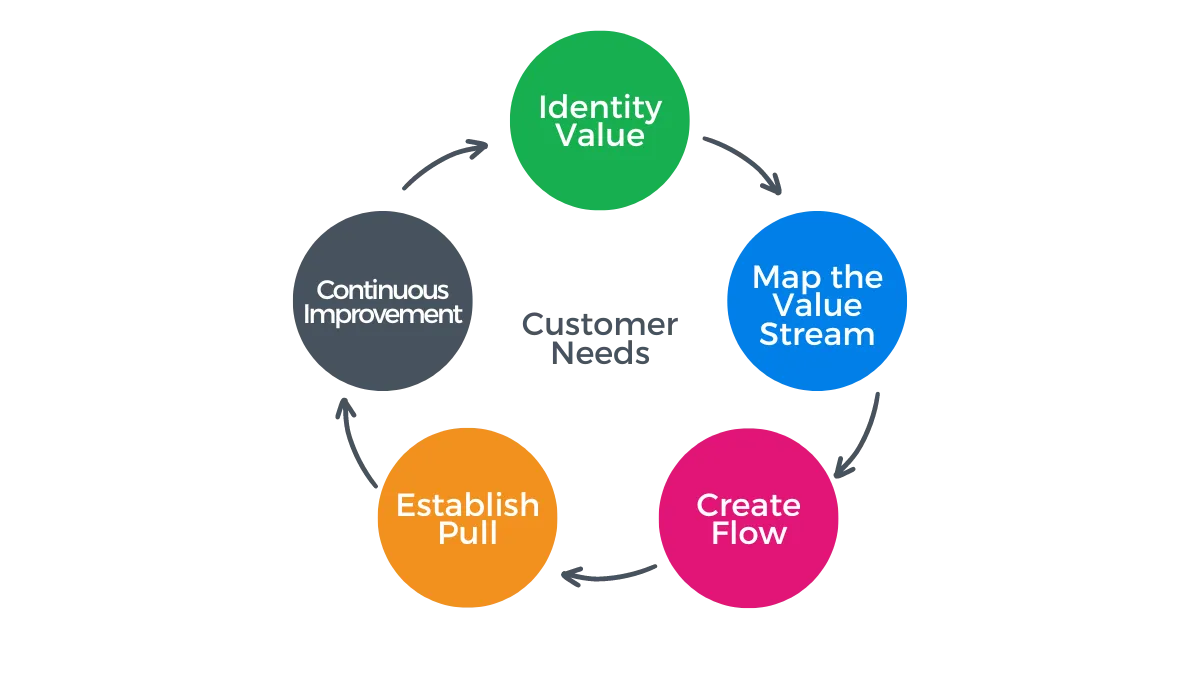 *Image 4: Operator engagement increases 4-fold compared to legacy systems. *
Conclusion
Despite the significance of processes and tools, sustainable progress cannot be achieved without engaged and empowered employees. Through approaches such as respect for people, training and skill development, cross-functional teams and job rotation, organisations can harness the full potential of their workforce to drive efficiency and innovation.
By fostering a culture of continuous improvement and providing employees with the necessary support and resources, businesses can unlock new levels of productivity and competitiveness in today’s challenging landscape.
In part two of our three-part series, we look at the significance of processes in further detail.
Read part two: How to Start with Process Improvement: Processes. Read part three: How to Start with Process Improvement: Tools
Follow Cyzag on LinkedIn for new articles and stories.