Break the Cycle! Use Powerful Tools to Solve Root Problems
Tired of treating symptoms? Identify and address root causes of issues in manufacturing with these powerful problem-solving tools.
Updated 18 May 2025 6 min read
Are you tired of constantly fixing symptoms instead of tackling the root problems? It’s easy to get stuck putting out fires, but this approach only leads to recurring issues and inefficiencies. To create lasting solutions, it’s crucial to focus on fundamental problem-solving tools. These tools help you go beyond addressing symptoms, allowing you to pinpoint and eliminate root causes, improving operational efficiency and continuous improvement.
Let’s get back to the basics of Problem-Solving Tools.
Why Do Problem-Solving Tools Matter?
Problem-solving tools are indispensable in industry for several reasons:
Root Cause Elimination: They help identify and address the true causes of problems, rather than merely treating symptoms. This prevents the issues from recurring and saves valuable time and resources.
Waste Reduction: By pinpointing hidden issues, problem-solving tools enable teams to focus on what truly matters, eliminating unnecessary efforts and reducing waste.
Continuous Improvement: The use of structured problem-solving methodologies fosters a culture of continuous improvement, ensuring that processes are always evolving toward greater efficiency and effectiveness.
What Are Problem-Solving Tools?
Problem-solving tools are structured methodologies designed to diagnose, analyse, and systematically solve issues.
These tools not only empower employees to take ownership of problems but also foster knowledge sharing and development. Depending on the problem’s nature, different tools cater to different aspects, such as narrowing down solutions or eliminating root causes.
Key Foundations of Problem-Solving
Regardless of the specific tools you use, successful problem-solving often requires:
-
Going to Gemba (the place where work happens) to directly observe the problem.
-
Looking at data to understand the issue quantitatively.
-
Using your five senses to fully grasp the problem’s context.
These practices are critical for uncovering the truth and ensuring that the solutions address the real issues.
Types of Problem-Solving Tools
Various tools are available to assist in different phases of the problem-solving process. These tools can be used independently or combined to ensure both a focused solution and root cause elimination.
Tools to Narrow Solution Focus
Narrowing the focus is critical when determining which issues to address first. Not all problems have the same impact, and some may have more severe consequences on operations than others. By using tools that help prioritise the most significant problems, teams can concentrate their efforts on the areas that will provide the greatest return. This approach not only saves time but also ensures that resources are applied where they will make the most difference.
Two commonly used tools for narrowing the solution focus are Pareto Analysis and the Ishikawa (Fishbone) Diagram.
Pareto Analysis (80/20 Rule)
The Pareto Principle, commonly known as the 80/20 rule, suggests that 80% of effects come from 20% of causes. This tool allows teams to prioritise their efforts on the high-impact causes to resolve problems more efficiently.
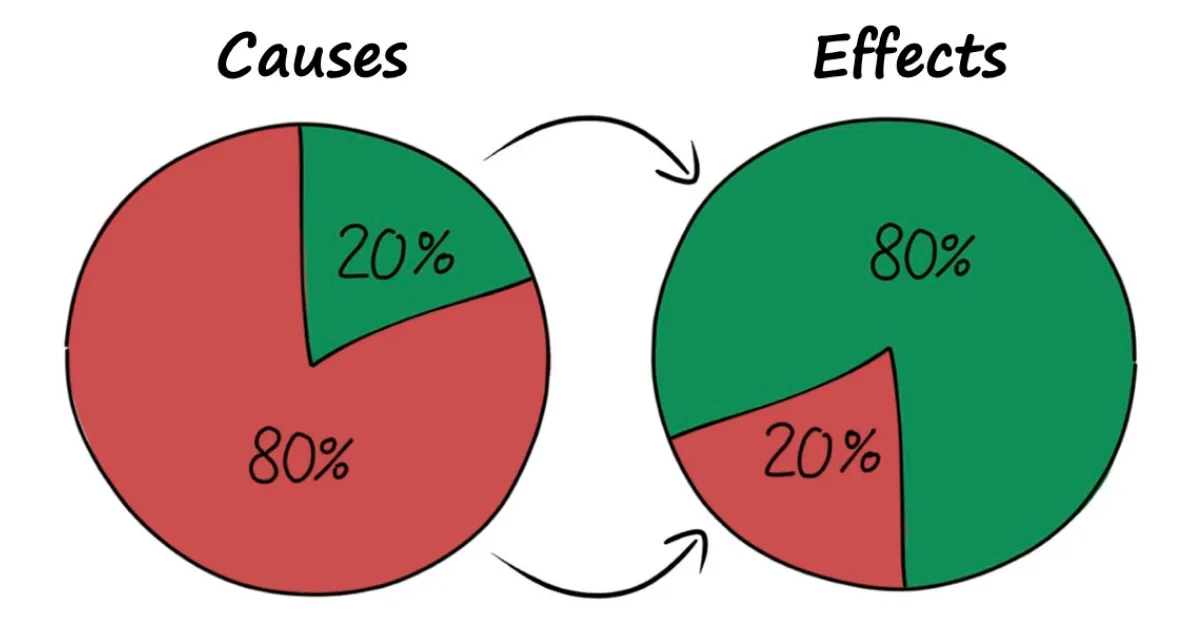 Image 1: The Pareto Principle, otherwise known as the 80/20 rule
Example:
The problem: A production loss of 791 tons was measured in a chemical plant over the past three months.
To solve the issue, a Pareto chart was created to represent key loss areas visually.
Equipment reliability was identified as the primary cause, contributing to 82% of production losses. So, the focus was defined.
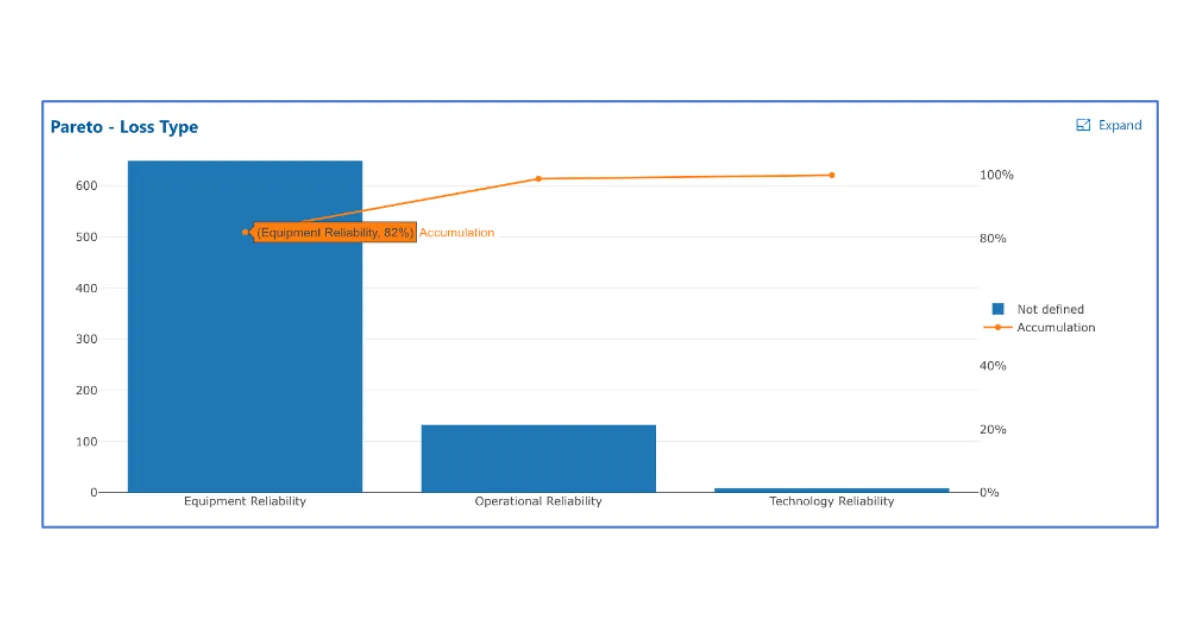 Image 2: Pareto Loss Type Chart as seen in the Cyzag platform
Digging down, a second Pareto chart was developed, focusing on equipment reliability by functional location (FL).
The FL2 (reactor feed pump) contributed to 75% of equipment reliability losses. Addressing FL2 issues can significantly reduce overall production losses.
After resolving the FL2, the focus will shift to FL1 (crystalliser agitator) and then to operational reliability.
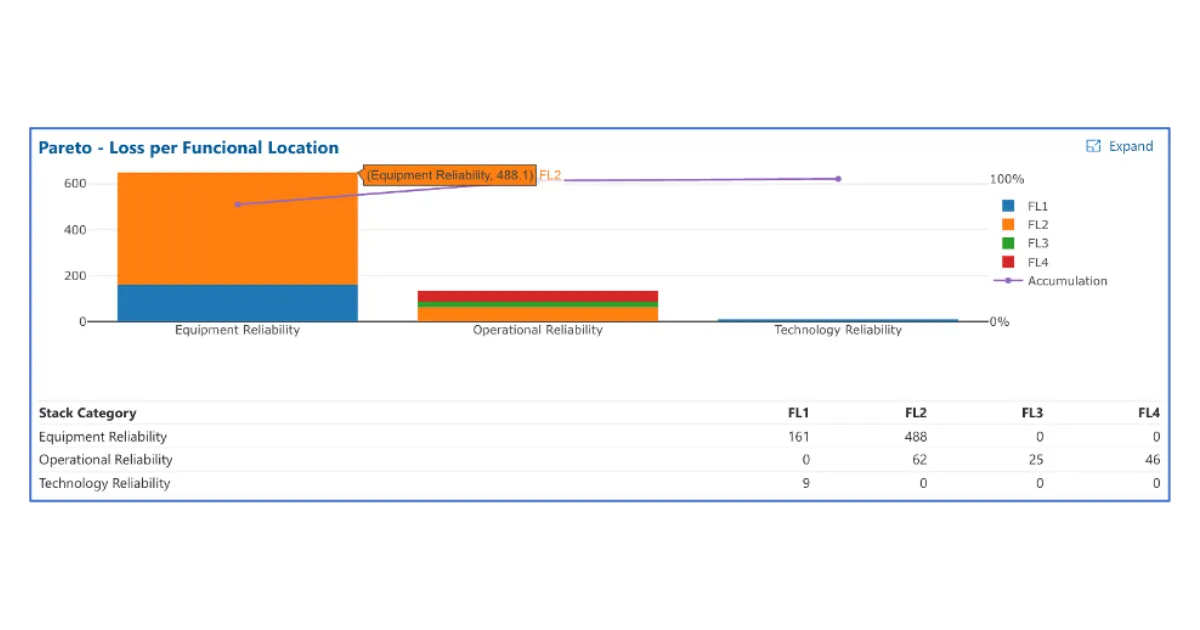 *Image 3: Pareto Loss per Functional Location Chart as seen in the Cyzag platform *
Ishikawa (Fishbone) Diagram
Also known as a Cause-and-Effect Diagram, the Ishikawa Diagram helps visualise all possible causes of a problem. into categories on branches that stem from a central spine ending in the problem statement.
These 6 categories include: Method, Material, Manpower (Personnel), Measurement, Mother Nature (Environment), and Machine.
It’s a powerful tool for identifying potential causes of complex problems.
Example:
The problem: An engineer needs to discover the cause of a high level of corrosion in storage tanks, which results in maintenance costs and the unavailability of complete storage.
He created a fishbone diagram to determine the possible causes of the corrosion. Once the cause is found, the corrective actions can be implemented, and the problem can be solved.
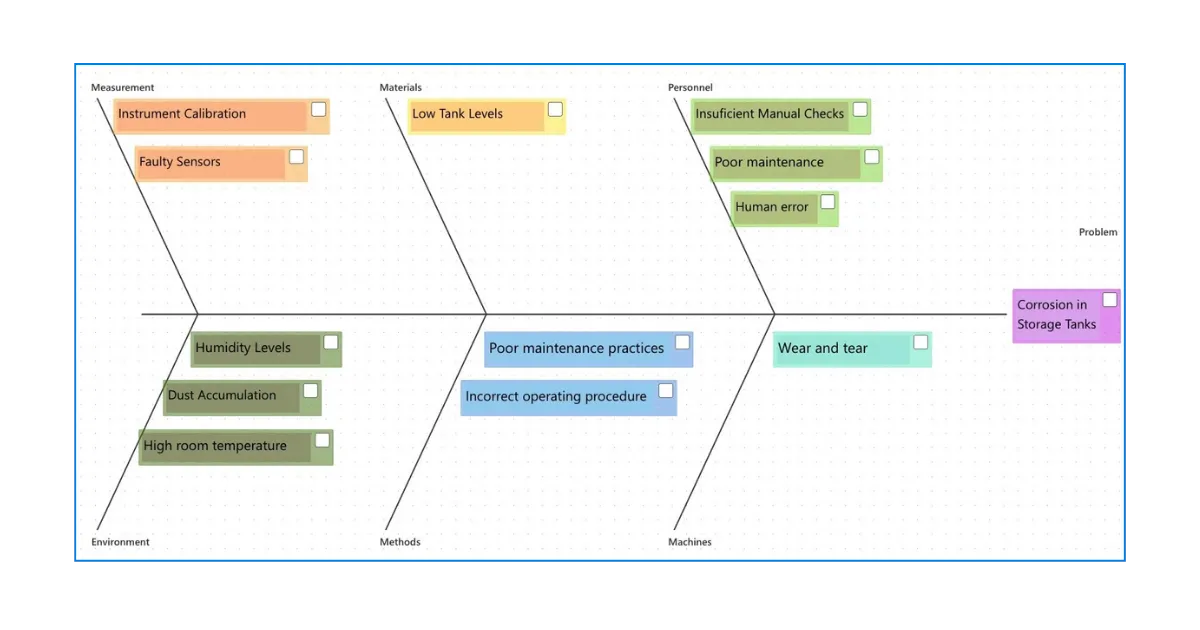 Image 4: An Ishikawa Diagram in the Cyzag platform
Tools for Root Cause Elimination
When dealing with complex problems, it’s essential to dig deep and uncover the true underlying causes. Without addressing the root causes, efforts may only provide temporary fixes, leading to recurring issues that waste time and resources. Tools for root cause elimination help ensure that teams aren’t just treating symptoms but are implementing solutions that address the problem at its core. These tools provide a structured way to explore the fundamental reasons behind a problem and offer a clearer path to permanent resolution.
Some of the most effective tools for root cause elimination are PDCA (Plan-Do-Check-Act), the 5 Whys technique, and A3 problem-solving.
PDCA (Plan-Do-Check-Act)
PDCA is an iterative cycle designed for continuous improvement. It involves four key steps:
-
PLAN: Identify the problem and create a plan for change.
-
DO: Implement the change on a small scale.
-
CHECK: Analyse the results to see if the change made a difference.
-
ACT: If successful, roll out the change more broadly.
 *Image 5: PDCA *
Example:
A production site experiencing frequent mechanical failures in unloading pumps applied PDCA. After identifying the root cause and fixing one pump issue, the team applied the solution across the site, eliminating the problem.
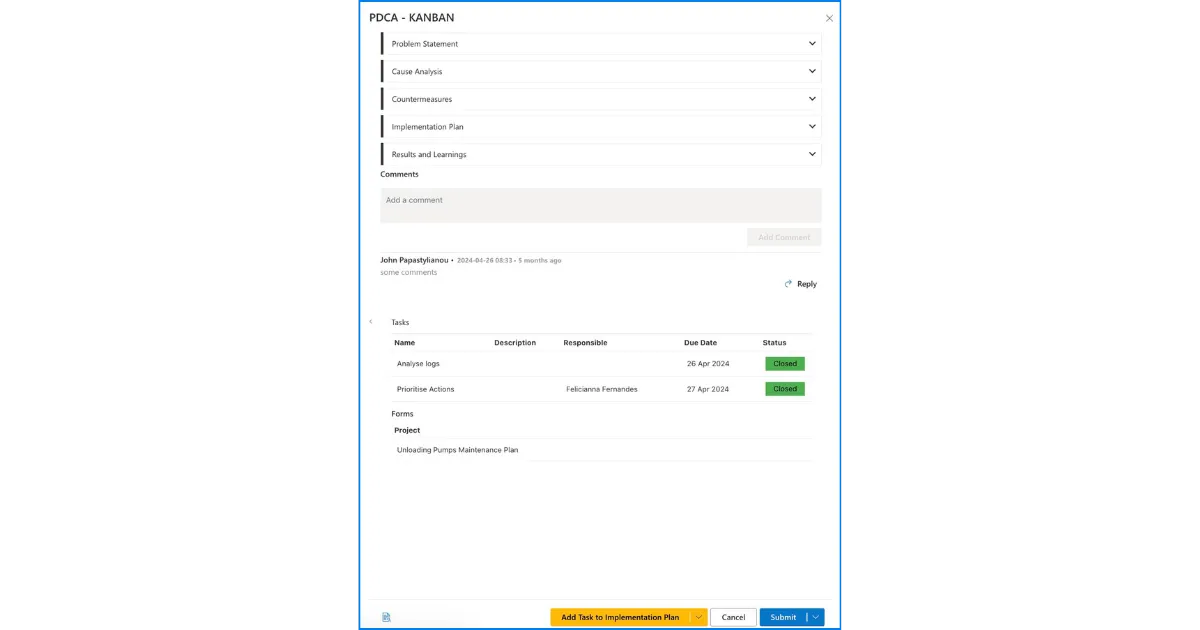 Image 6: PDCA Kanban in the Cyzag platform
The 5 Whys
The 5 Whys technique involves repeatedly asking “Why?” until the root cause of the problem is uncovered. It’s a simple yet effective tool, especially for straightforward problems, as it encourages deep analysis without overcomplication.
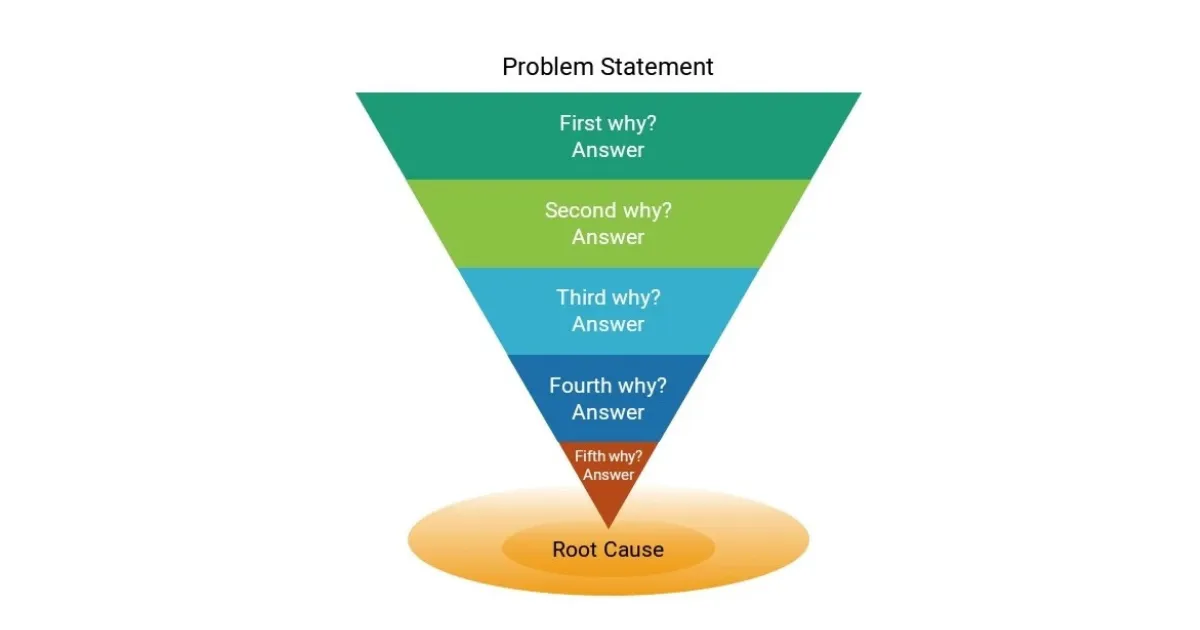 Image 7: The 5 Whys
Example:
A manufacturing site experiencing a production decrease used the 5 Whys technique. After asking several “Why” questions, the team identified the root cause as a damaged steam control valve. Replacing it resolved the production problem.
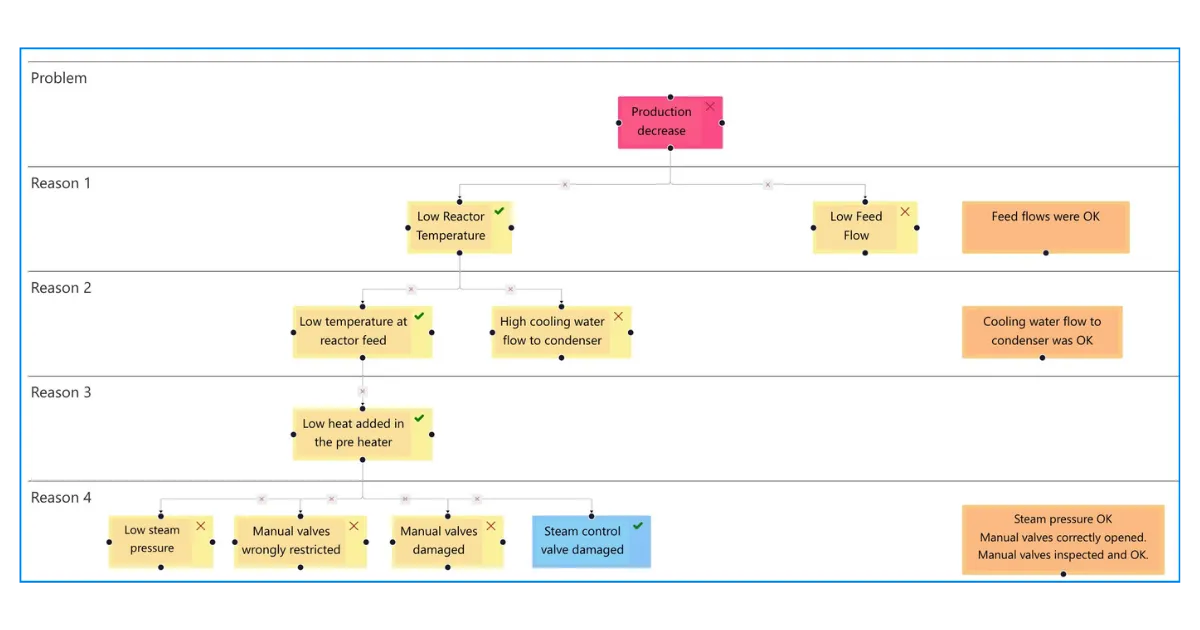 Image 8: Example of the 5 Whys feature in the Cyzag platform
A3 Problem Solving
A3 Problem Solving originates from Lean methodologies and takes its name from the standard A3 paper size used for documenting the process. It provides a structured approach to problem-solving and facilitates clear communication across teams.
Example:
The problem: A production site identified significant corrosion in piping.
To solve the issue, an A3 was developed by the team. They described the problem, checked data in detail, performed an Ishikawa to explore the causes, and defined the goals and countermeasures. By structured attacking it, they were able to solve the problem.
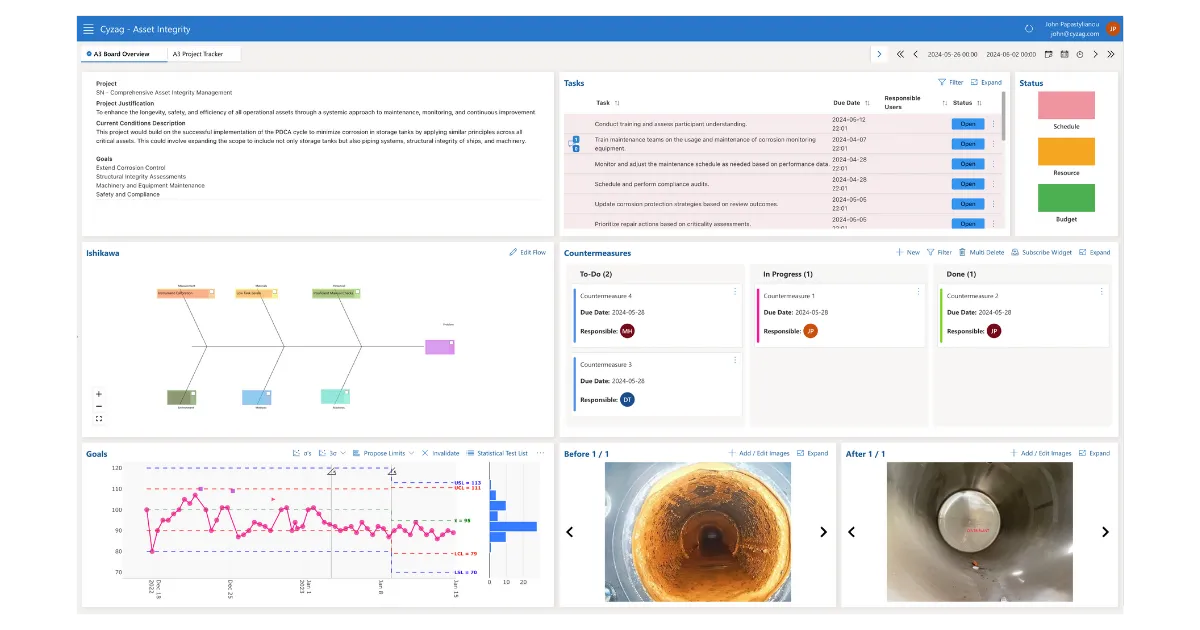 Image 9: An A3 board in the Cyzag platform
Problem Solving and Cyzag
The Cyzag platform integrates multiple problem-solving tools, streamlining the process of identifying and solving issues. By automating data collection and enabling the use of tools like Pareto Charts, Fishbone Diagrams, PDCA, 5 Whys, and A3 reports, Cyzag helps industries manage problem-solving efforts more efficiently.
Key Benefits of Cyzag
Key benefits of Cyzag include (but are not limited to):
-
Task allocation: Ensures accountability and traceability.
-
Single source of truth: Centralises data and actions for better tracking and decision-making.
-
Collaboration: Encourages teamwork and knowledge sharing across departments.
Conclusion: Embrace Problem-Solving for Lasting Solutions
In today’s industrial environment, the importance of problem-solving tools cannot be overstated. By focusing on root causes rather than just symptoms, businesses can dramatically improve operational efficiency, reduce waste, and foster a culture of continuous improvement. Whether using the Pareto Principle to target high-impact issues or applying A3 methodologies for structured problem-solving, these tools are essential for achieving sustainable success.
Digital platforms like Cyzag further enhance problem-solving by integrating these methodologies, promoting collaboration, and ensuring transparency throughout the process.
Consider a digitalised approach to make your problem-solving more effective and explore the tools that can drive real, measurable improvement in your operations. Book a personalised demo today!
Follow Cyzag on LinkedIn for new articles and stories.