Operational Excellence vs. Continuous Improvement—Are They Really the Same?
Understand the differences and similarities between operational excellence and continuous improvement in manufacturing.
Updated 18 May 2025 5 min read
Are Operational Excellence and Continuous Improvement the same? While both concepts play a pivotal role in driving performance and improving processes, they are distinct strategies that complement each other. In this blog, we’ll dive into the differences, explore how they work together, and why both are critical for sustainable success in industrial operations.
Let’s get back to the basics of Operational Excellence (OpEx) and Continuous Improvement (CI).
Operational Excellence vs Continuous Improvement
Operational Excellence (OpEx) and Continuous Improvement (CI) both focus on systematic approaches to problem-solving, quality enhancement, and efficiency optimisation. However, they are distinct concepts with different focal points. OpEx is about executing business strategies more reliably and consistently than the competition, while CI focuses on a culture of ongoing, incremental changes.
Although they are closely related, understanding the unique aspects of each is key to leveraging both for sustainable growth.
Understanding Continuous Improvement (CI)
Continuous Improvement (CI) is rooted in the Kaizen philosophy, meaning “change for the better,” and was popularised in Japan after the war. It promotes ongoing enhancements in all areas of an organisation. Rather than just addressing current problems, CI encourages businesses to constantly seek better ways of working. It fosters a cyclical, iterative approach to problem-solving and process optimisation.
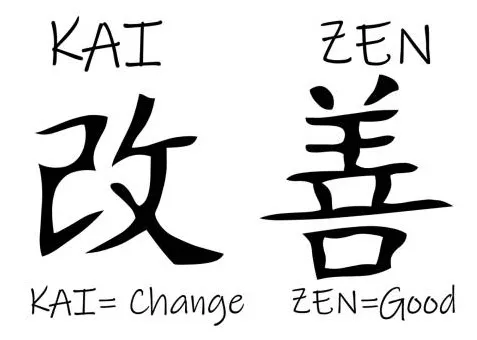 Image 1: The Meaning of Kaizen.
The core belief of CI is that no system, no matter how efficient, is beyond improvement. This mindset ensures long-term sustainability and competitiveness. Influenced by quality pioneers like W. Edwards Deming and Joseph Juran, CI principles are embedded within frameworks like PDCA (Plan-Do-Check-Action), which guides systematic problem-solving.
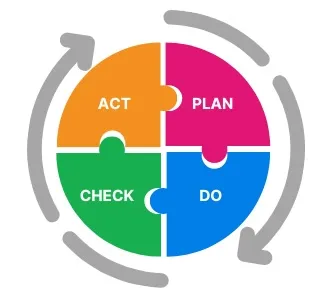 Image 2: PDCA
Key Principles of Continuous Improvement
-
Customer Focus: Align processes with customer needs to enhance satisfaction.
-
Data-Driven: Make informed decisions based on accurate data.
-
Process Orientation: Continuously optimise processes to eliminate inefficiencies.
-
Employee Involvement: Engage employees in identifying and solving problems.
-
Leadership Support: Ensure that leaders drive participation and foster growth.
Example of CI in Action
A manufacturing company successfully used the PDCA cycle to reduce production defects by 20% in six months through small, iterative changes suggested by frontline workers.
Key Takeaways from CI
Continuous Improvement fosters a culture of learning and adaptation, where small, consistent changes can lead to significant long-term benefits. It ensures that businesses do not become complacent and continue to evolve in a competitive marketplace.
Understanding Operational Excellence (OpEx)
Operational Excellence (OpEx) is about executing business strategies in a way that outperforms competitors. Rather than focusing on cost-cutting, OpEx emphasises optimising resources, reducing risks, and improving operational consistency across all departments, from production to sales.
OpEx draws heavily from the Shingo Model, which focuses on engaging employees at all levels, ensuring quality at the source, and delivering maximum value to customers. The Shingo Model has also influenced other improvement methodologies, such as Lean and Total Quality Management (TQM).
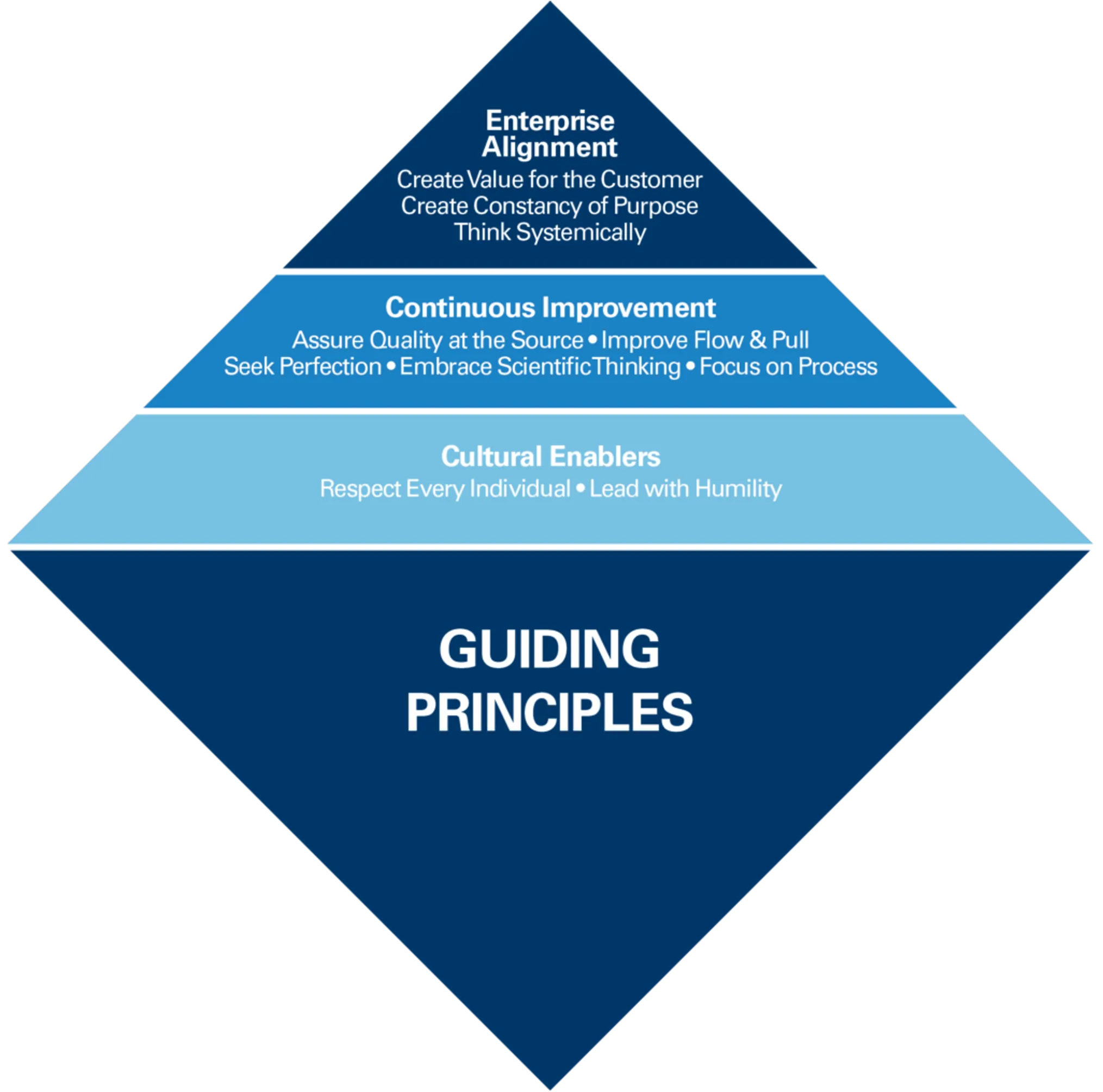
Image 3: The Shingo Model. Source
One notable element of OpEx is the Shingo Prize, awarded annually to organisations that demonstrate excellence in operations. The prize is based on the 10 Shingo Guiding Principles, which form the core philosophy of operational excellence.
Example of OpEx in Action
A service organisation revamped its customer feedback process, resulting in a 15% increase in customer satisfaction scores within just three months. This demonstrates how effective process optimisation can significantly improve performance.
Key Takeaways from OpEx
Operational Excellence integrates the principles of Continuous Improvement to create a holistic approach to performance improvement. Creating a sustainable and competitive edge requires a customer-centric mindset, systematic and process thinking, and strong leadership.
Key Methodologies Supporting CI and OpEx
Several methodologies have emerged to support both OpEx and CI, each offering unique tools and processes to optimise performance. Some of the main ones include:
-
Kaizen: Focuses on continuous, incremental improvements driven by employee involvement. It often uses the PDCA cycle for structured problem-solving.
-
Lean Manufacturing: Enhances value by eliminating waste and improving workflow efficiency.
-
Six Sigma: A data-driven approach aimed at reducing defects and variability through the DMAIC process (Define, Measure, Analyse, Improve, Control).
Key Differences Between CI and OpEx
Although sharing many similarities, OpEx and CI have some differences, such as:
-
Focus: OpEx aligns processes with strategic goals, creating a framework for success, while CI empowers employees to drive ongoing, incremental changes.
-
Scope: OpEx impacts the entire organisation, while CI can start small but ultimately influence the whole business.
-
Integration: OpEx needs CI to maintain momentum; CI fuels OpEx by constantly adapting and optimising.
Why CI and OpEx Are Inseparable
While Operational Excellence aims for immediate efficiencies and quick wins, Continuous Improvement ensures that these gains are sustained over time. By combining the two, organisations can achieve both short-term improvements and long-term innovation.
OpEx identifies opportunities for optimisation, while CI drives ongoing enhancement, ensuring the organisation stays competitive and adaptable in the face of change. Together, they offer a balanced approach to achieving both immediate results and future-proofing the business.
The Role of Digital Tools
Digital technology has revolutionised OpEx and CI by enabling real-time monitoring and data-driven insights. Digital tools make it easier to measure, scale, and sustain improvements.
Platforms like Cyzag Digital Operations provide an integrated approach to operational excellence and continuous improvement. These platforms help organisations track inefficiencies, align operational activities with strategic goals, and foster a culture of improvement.
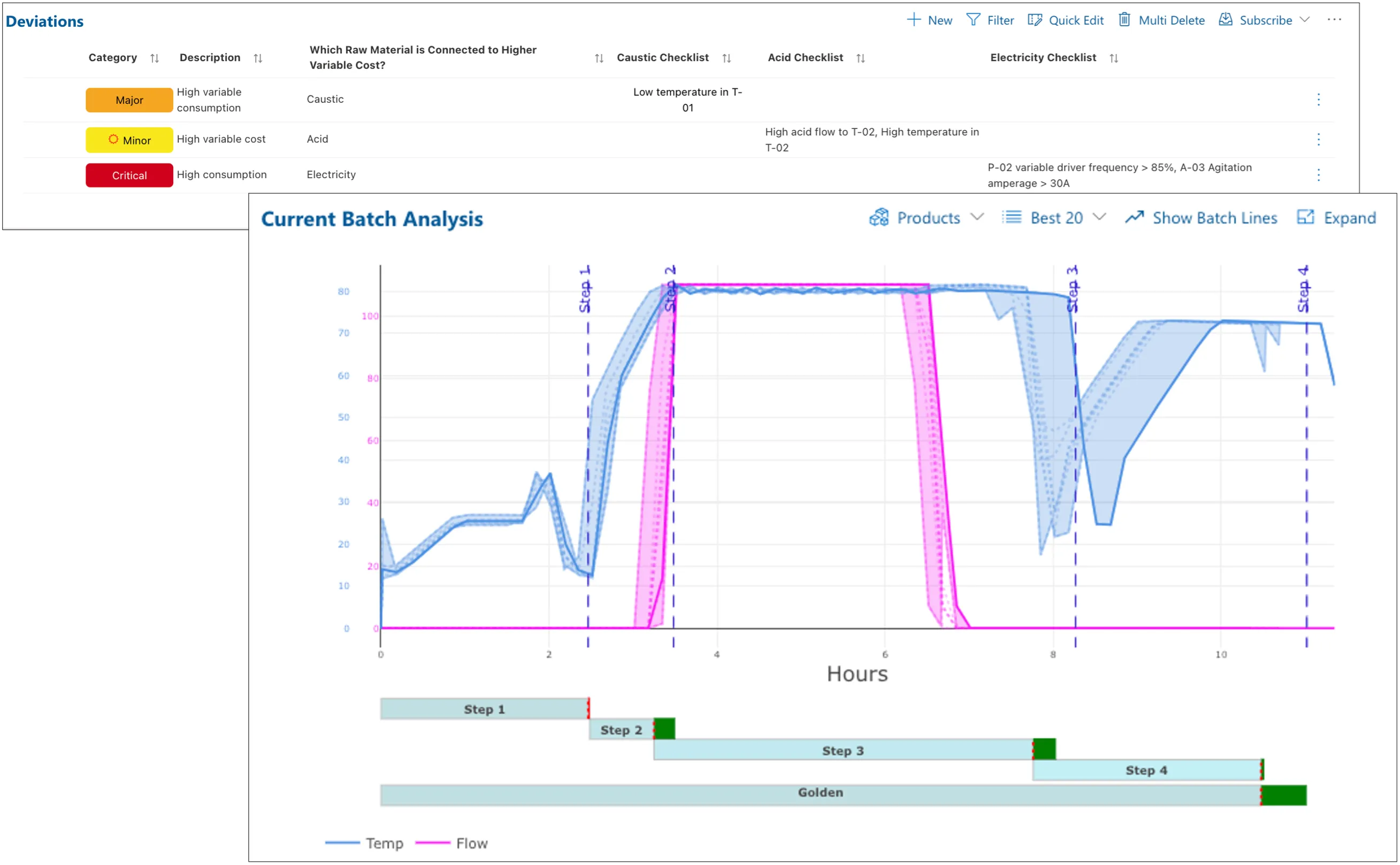 Image 4: Cyzag Platform – Features examples to boost OpEx and CI.
Cyzag Digitalises Your OpEx and CI
Cyzag’s features include:
-
Operations Overview (SQCDP)
-
Deviation Tracking
-
Batch Analysis
And many more features that your organisation can benefit from.
Conclusion
Operational Excellence and Continuous Improvement are not the same, but they are complementary. While OpEx focuses on optimising resources and achieving consistency, CI ensures that the organisation continues to grow and improve over time. Combining both, especially with the support of digital tools like Cyzag, allows businesses to thrive in a competitive environment by achieving immediate results and sustainable growth.
Book a Personalised Demo today to explore how digitalisation can boost your Operational Excellence and Continuous Improvement efforts.
Follow Cyzag on LinkedIn for new articles and stories.