How to Make Reporting Easy in the Industry
Learn how to make reporting easy in the industry, save time, reduce errors, and focus on improvements and efficiency.
Updated 22 May 2025 4 min read
“What gets measured gets managed.” But at what cost? Often attributed to Peter Drucker, known as the father of modern management, this famous quote emphasises the importance of tracking and reporting data for effective management. However, many organisations spend too much time gathering and reporting data rather than taking meaningful action. To make reporting easy in the industry, whether you work in chemicals, pharma, oil and gas, polymers or any other industry, you need more than just tools—a solution that addresses fragmented data.
While tools like ChatGPT can speed up routine tasks, many industry professionals still spend hours compiling reports and creating presentations. The issue isn’t the lack of technology—it’s the scattered, disconnected nature of the data. It’s time to leave behind the 1980s data gathering and reporting approach and step into the future together.
 Image 1: Are you still gathering and reporting data like it’s the 1980s?
The Complexity of Industry Reports
Reports in the industry are critical for decision-making, operational efficiency, and compliance. However, the growing need for sustainability reporting adds complexity. Teams often gather data from multiple sources, including paper records, Excel worksheets, and digital platforms. Consolidating this data demands significant manual effort, making it difficult to simplify reporting in the industry.
A recent IBM study shows that spending on sustainability reporting exceeds sustainability innovation by 43%. This suggests many organisations are stuck in the “measuring” phase instead of innovating. Although reporting is crucial, too much time is spent on it, limiting opportunities for operational improvements.
Disconnected Data Sources: A Barrier to Progress
Sustainability reporting only amplifies the issues caused by disconnected data sources. A typical process plant operates with multiple systems: maintenance data is in one place, production data is in another, quality is in a third one and sustainability metrics are often spread across platforms, sometimes requiring manual data entry. Even with AI tools that help format reports, gathering and organising the data remains time-consuming.
This is where making reporting easy in the industry becomes critical. Fragmentation leads to inefficiencies and error risks, leaving little time for meaningful improvements. Sustainability goals can feel like just another box to tick rather than a driver for real innovation. It’s time to move data from silos to synergy.
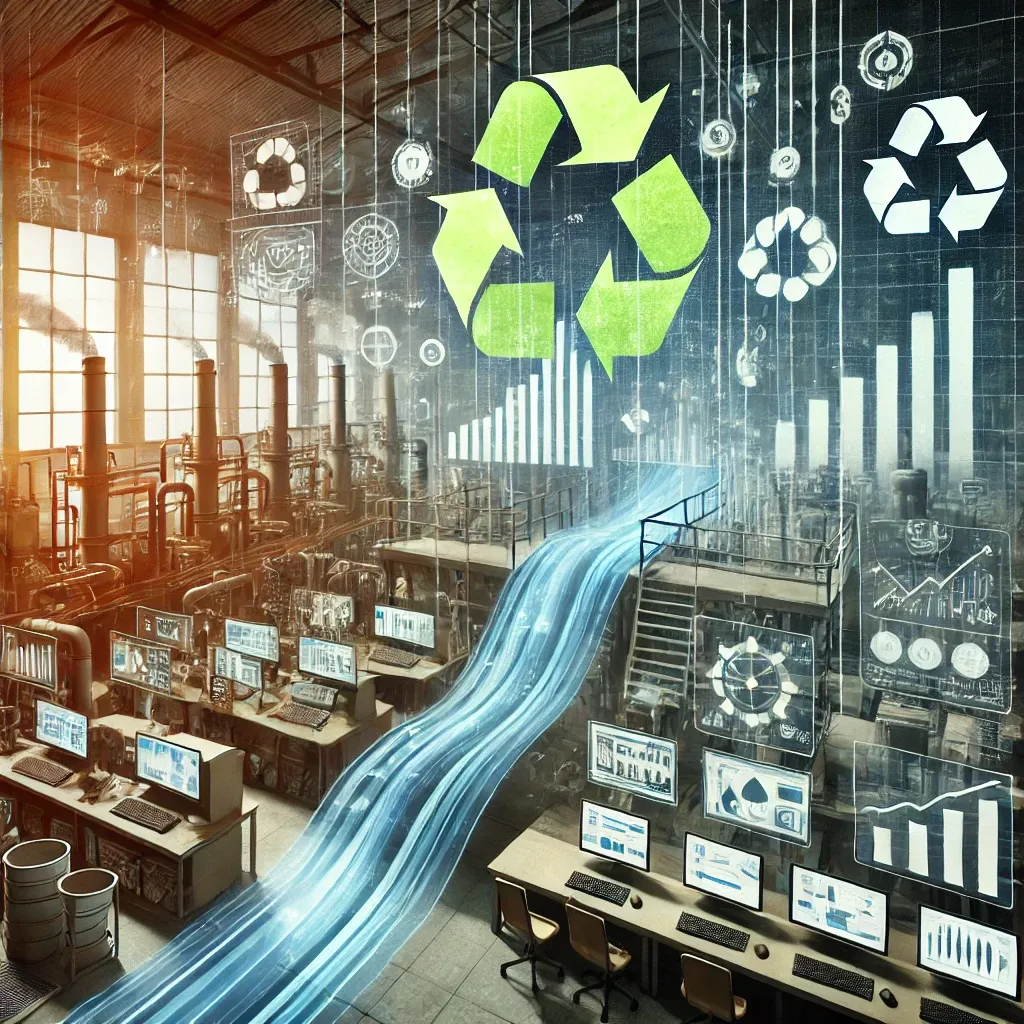 Image 2: The industry needs to move from fragmented and siloed data to a more efficient, synergised system.
Sustainability as an Opportunity for Improvement
The IBM study highlights an important point: Companies that embed sustainability into their operations are more likely to achieve better environmental outcomes and financial benefits. However, only 31% of executives say they incorporate sustainability data into significant operational improvements. Many are too focused on meeting reporting requirements rather than using the data to drive real change.
How can companies simplify reporting in the industry while focusing on improving operations and sustainability?
Is There a Solution? Making Reporting Easy in the Industry
The solution doesn’t rely on AI tools alone. While tools like ChatGPT can format reports or presentations faster, the real challenge is managing the data. Making reporting easy in the industry requires centralising production, performance, or sustainability data, moving from complexity to clarity. This is where digital operations platforms like Cyzag come in.
Cyzag provides a single source of truth, integrating data from multiple systems. It automates the gathering, consolidation, and visualisation of information, streamlining tasks that would otherwise take hours. This applies to all kinds of reports, from operational ones like shift logbooks, daily plant performance, maintenance work orders, OEE numbers, and batch analysis to project reporting and sustainability dashboards. By consolidating data, teams can focus on meaningful improvements rather than manual tasks. The platform supports manual and automated task creation, ensuring clear team focus and responsibilities.
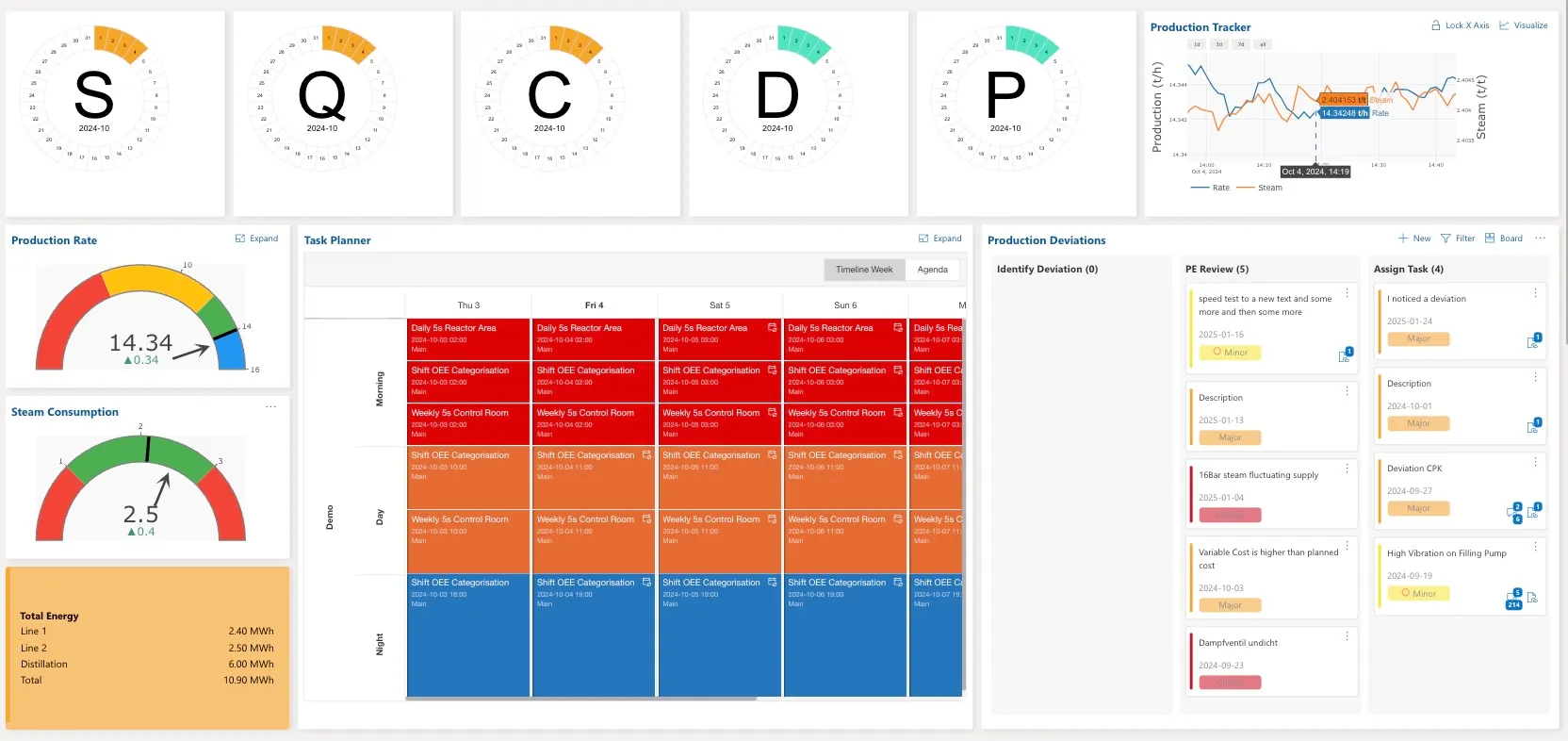 Image 3: Cyzag Real-Time Shift Performance Report.
What Gets Measured Should Lead to Action
As Drucker’s quote implies, effective data management is essential but shouldn’t dominate the process. Too often, teams focus on reporting—especially for performance and sustainability—without turning those reports into actionable steps. Making reporting easier in the industry streamlines data management and automates reporting, allowing organisations to shift from gathering information to making impactful decisions. This way, the platform helps to integrate different processes in the organisation, making them more effective.
Cyzag’s platform provides the transparency needed to reduce manufacturing costs, enhance sustainability initiatives, and improve operational efficiency. With a single source of truth, reports are ready to go using real-time data, saving time and reducing manual effort. Stop spending hours on tasks that could be automated and start focusing on what truly matters—using your data to innovate and improve.
Contact us today for a personalised demo and discover how Cyzag can simplify reporting and prioritise actions by digitalising your operations.
Follow Cyzag on LinkedIn for new articles and stories.