How To Implement Effective Cost Management in Manufacturing
Implement cost management strategies to reduce expenses and improve profitability in manufacturing operations.
Updated 3 July 2025 5 min read
Welcome to the world where production meets precision and every penny counts. As a seasoned professional in the process manufacturing industry, you understand the pivotal role that cost management plays in driving efficiency and profitability.
Manufacturing costs are more than just numbers on a balance sheet; they reflect a company’s operational efficiency, competitiveness, and profitability.
In this blog post, get back to basics to explore manufacturing costs— why they matter, different cost structures, and strategies for effective cost management.
Why Do Manufacturing Costs Matter?
-
Understanding Profitability: By pinpointing which materials or processes inflate expenses, businesses can make informed decisions about pricing strategies, ensuring they remain competitive in the market.
-
Enhancing Productivity: Managing costs effectively allows manufacturers to streamline processes, reduce waste, and optimise resource allocation, thereby boosting productivity and efficiency.
Fluctuations in manufacturing costs can have far-reaching implications, especially in industries where raw material prices are volatile. Now, let’s delve deeper into what manufacturing costs entail.
What Are Manufacturing Costs?
Manufacturing costs encompass all expenses directly associated with the production process. These costs are pivotal in determining the overall cost structure of a business.
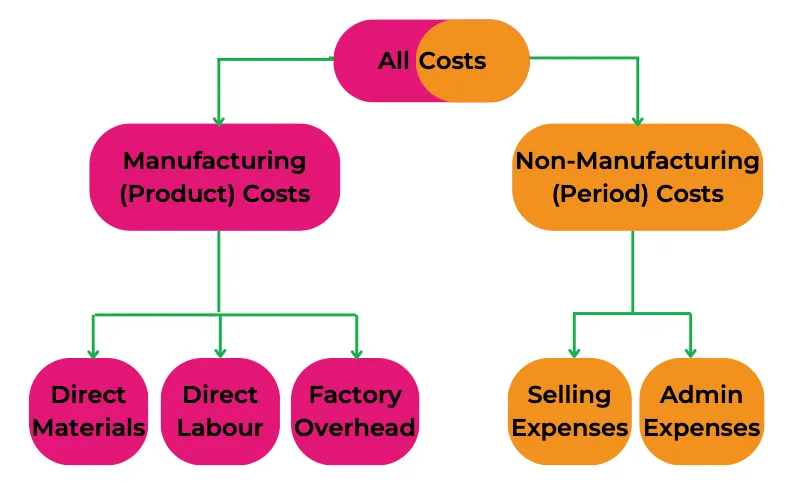
Cost Structures
There are two primary cost structures adopted in determining manufacturing costs:
-
Fixed and Variable Costs: Expenses are categorised based on how they change with the level of production.
-
Direct and Indirect Costs: Costs are classified based on their attribution to specific products or activities.
Let’s explore each structure in detail.
Fixed and Variable Costs
Understanding the distinction between fixed and variable costs is fundamental for businesses aiming to implement effective cost management strategies.
Fixed costs are those expenses that remain constant regardless of fluctuations in production levels and provide the foundation upon which operations are built. These costs encompass essential elements such as rent for manufacturing facilities, salaries of permanent staff members, and depreciation on critical manufacturing equipment. Regardless of whether production is running at full capacity or experiencing a temporary slowdown, fixed costs persist, making them crucial considerations in budgeting and financial planning.
 Fixed Costs
Alternatively, variable costs present a dynamic aspect of cost management, directly influenced by changes in production volume. Raw materials exemplify variable costs, as their consumption increases or decreases in tandem with production demands. Similarly, utilities like electricity and water usage, necessary for machinery operation and optimal conditions, fluctuate with production levels. Additionally, wages for hourly workers, vital in meeting production targets, vary based on work volume.
 Variable Costs
Direct and Indirect Costs
To begin, direct costs are the foundation of a product’s production journey, representing expenses directly tied to its creation. Direct materials, often the primary components of the final product, encompass raw materials sourced for manufacturing. These materials are tangible and essential, forming the very essence of what is being produced. Direct labour, on the other hand, encapsulates the human effort directly involved in the manufacturing process. These are the wages and benefits paid to workers who handle machinery, assemble parts, or oversee production lines. They contribute directly to creating the end product.
In contrast, indirect costs lurk in the shadows of the manufacturing floor, often overlooked but equally significant. These expenses, while vital to the operation, cannot be easily attributed to any single product or service. Indirect costs include utilities, necessary for powering machinery and maintaining optimal working conditions, as well as salaries for factory management personnel who oversee operations. Maintenance costs also fall under this category, covering repairs and upkeep of machinery and infrastructure essential for smooth operations. While indirect costs may not be as visible as their direct counterparts, they play a crucial role in the overall cost structure of manufacturing operations.
Which Cost Structure is the Best?
The best cost structure is the one that enables businesses to understand and control manufacturing expenses effectively, thereby improving overall profitability. Depending on the nature of the business, a combination of cost structures may be adopted to accurately reflect the cost dynamics.
Strategies for Managing Costs in the Process Industry
Effective cost management is not a one-size-fits-all approach; it requires a multifaceted strategy and a commitment to continuous improvement. Here are three key strategies to foster a culture of cost-consciousness and drive sustainable financial performance:
-
Cost Analysis: Regularly scrutinise budgets and expenditures to unearth anomalies and pinpoint areas ripe for improvement. By conducting thorough cost analyses, businesses can identify inefficiencies, streamline processes, and make informed decisions to optimise resource allocation.
-
Stakeholder Engagement: Foster a collaborative environment by involving employees at all levels in the cost management process. By soliciting diverse insights and perspectives, businesses can tap into the collective knowledge of their workforce and uncover innovative solutions to cost-related challenges. Empowering employees to contribute to cost optimisation initiatives not only enhances engagement but also fosters a sense of ownership and accountability.
-
Continuous Improvement: Embrace a culture of continuous improvement where cost management is seen as an ever-evolving journey rather than a singular occurrence. Foster a mindset of innovation and agility, actively evaluating, refining, and adapting processes to accommodate shifting circumstances. By ingraining a culture of continuous improvement into the fabric of the organisation, businesses can stay nimble, responsive, and resilient in the face of evolving market dynamics.
Manufacturing Costs and Digital Solutions
In today’s digital age, leveraging technology can streamline cost management processes and drive efficiency. Digital tools, such as the Cyzag Platform, have emerged as indispensable assets, revolutionising traditional cost management processes and unlocking new avenues for efficiency and optimisation.
One of the primary advantages of digital technology in cost management is its ability to provide real-time insights into raw material consumption and costs. With the Cyzag Platform, manufacturers can track the usage of raw materials as it happens, allowing for timely adjustments and informed decision-making. By gaining visibility into material usage patterns, businesses can optimise process variations and inventory levels, minimise waste, and proactively manage costs.
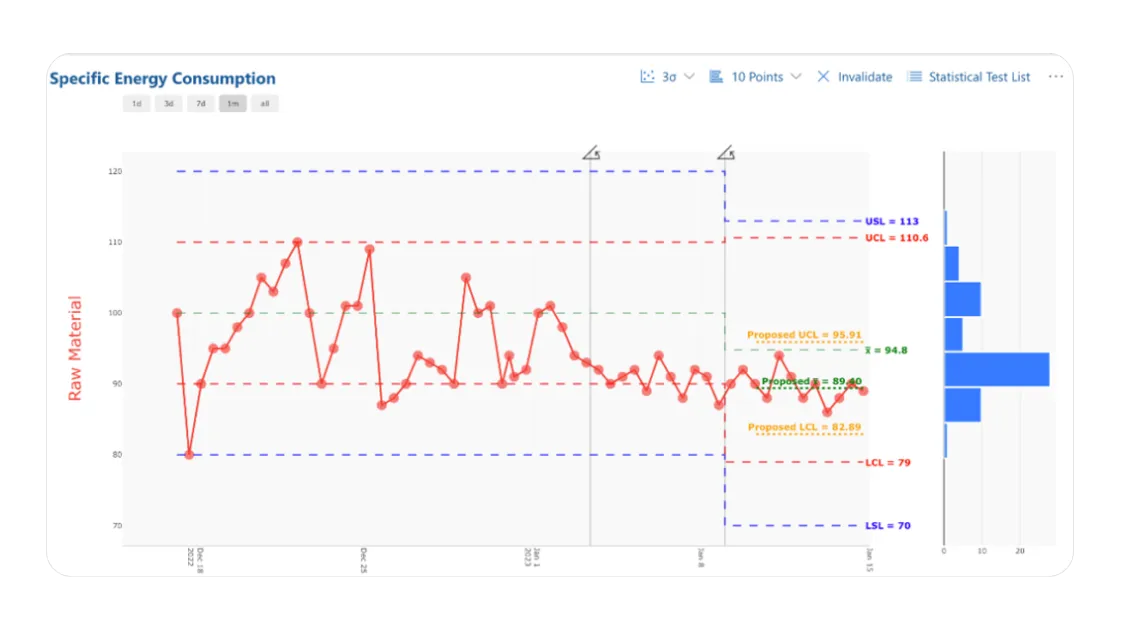 Raw Material Consumption within the Cyzag Platform
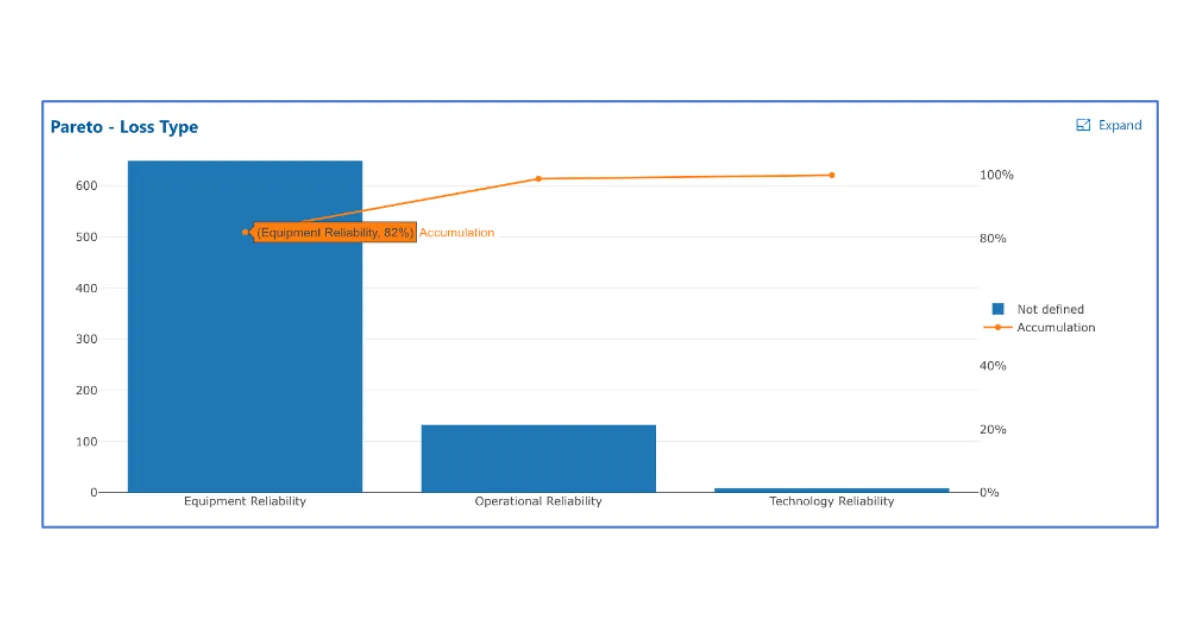
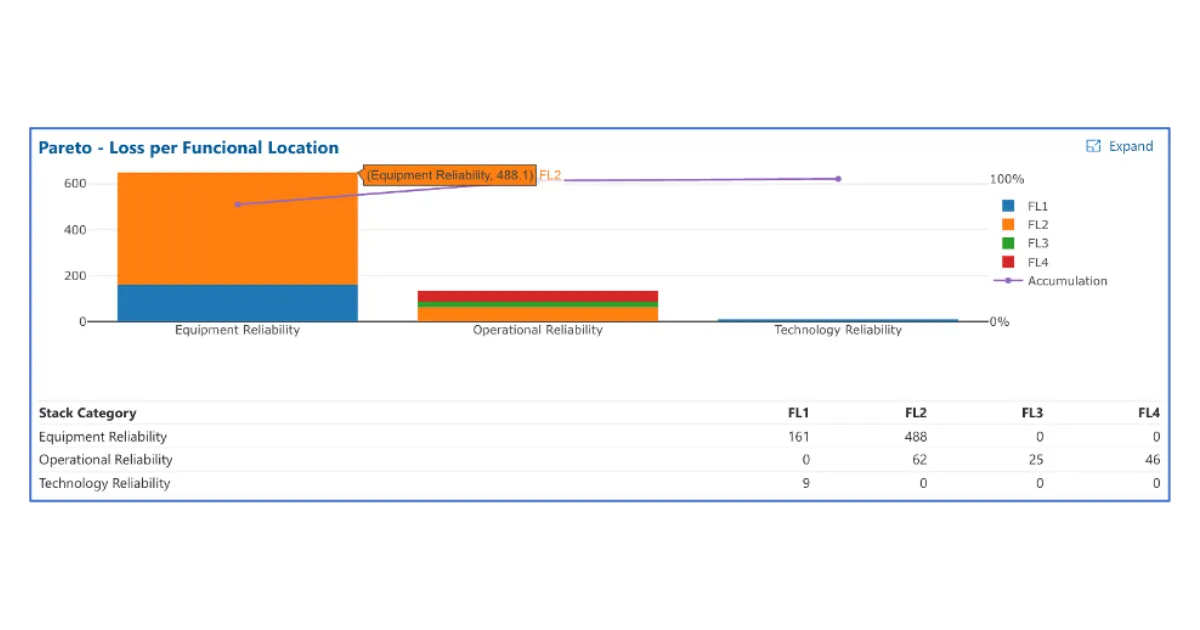
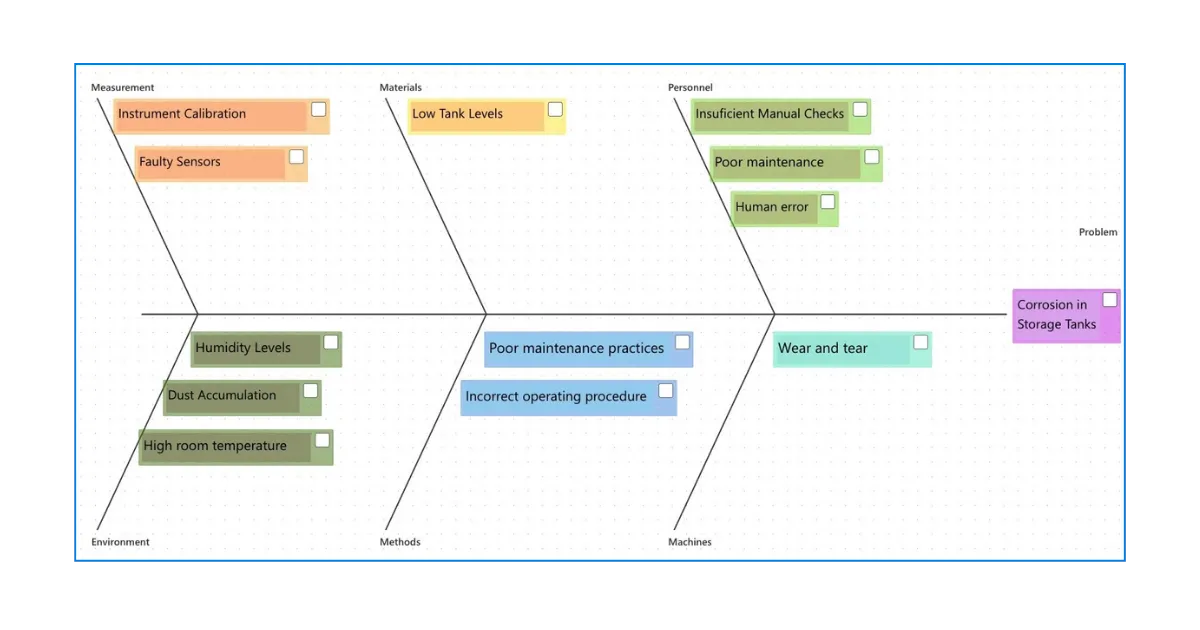
Moreover, the Cyzag Platform facilitates the identification and prevention of production losses, tracking Overall Equipment Effectiveness (OEE). Through real-time analytics, manufacturers can detect inefficiencies and bottlenecks in the production process before they escalate into costly issues. By pinpointing areas for improvement and implementing preventive measures, businesses can mitigate risks, maximise uptime, and enhance overall productivity.
 Process Diagrams Showing OEE
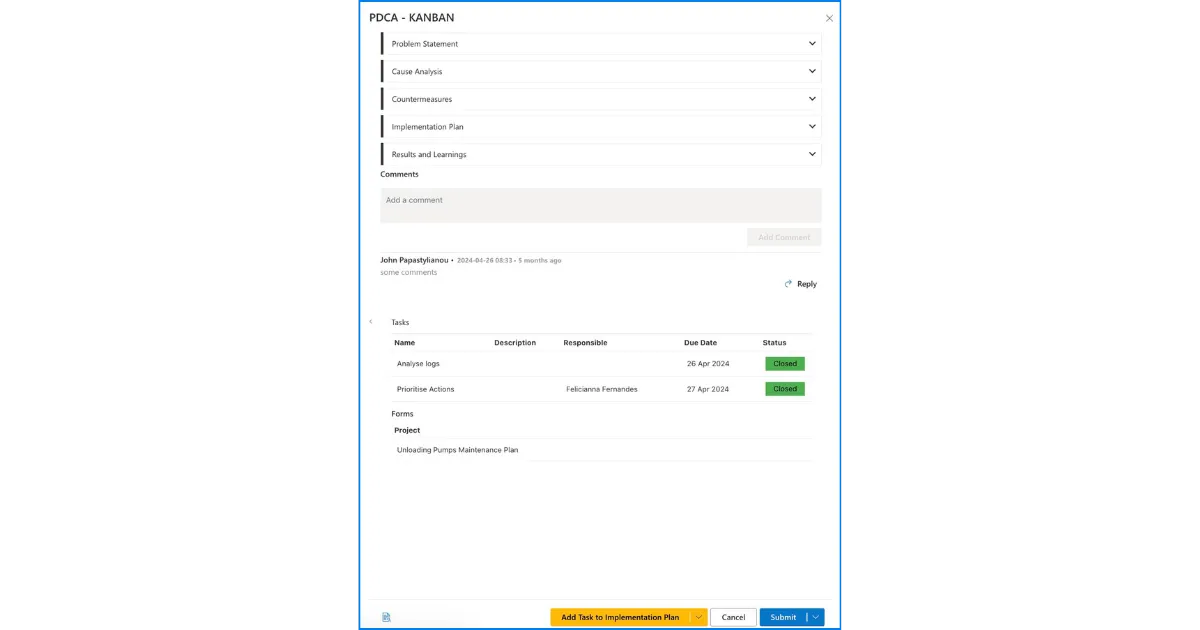
Furthermore, the Cyzag Platform offers access to a suite of tools designed to improve operational efficiency and optimise costs. Manufacturers can leverage cutting-edge technology to streamline workflows, optimise resource allocation, and drive continuous improvement.
 Visual Logs in the Cyzag Platform
Conclusion
Understanding manufacturing costs and implementing effective cost management strategies are essential for the long-term success of any manufacturing business. By embracing digital solutions and fostering a continuous improvement culture, manufacturers navigate challenges, enhance profitability, and stay ahead.
Book a personalised demo with us today and explore how digitalisation can revolutionise your cost management practices!
Follow Cyzag on LinkedIn for new articles and stories.