Shift Logbook in Industry: How to Create an Efficient One
Learn how a structured shift logbook ensures seamless shift handovers. Reduce miscommunication and improve accountability and efficiency.
Updated 19 March 2026 7 min read
Effective shift handovers are critical to safety and operational continuity, yet they remain a major source of risk. The American Fuel & Petrochemical Manufacturers (AFPM) report that over 40% of plant incidents occur during start-up, shutdown, and shift handover periods, despite these accounting for less than 5% of operational time. Similarly, the UK Health and Safety Executive (HSE) identifies failures in shift handover communication as a major cause of industrial accidents, particularly in planned maintenance work — a pattern that helps explain why the same problems keep recurring across shifts. A structured shift logbook is crucial in preventing miscommunication and knowledge loss.
While verbal discussions provide immediate clarity, they are not enough: a well-maintained shift logbook ensures that essential details, such as key events, process conditions, and ongoing tasks, are consistently documented and easily accessible. This reduces errors, improves accountability, and enhances operational efficiency by providing a reliable reference point for all shift personnel.
In industries like oil and gas, chemicals, and plastics, where even minor oversights can lead to costly disruptions or safety hazards, a shift logbook is more than just documentation; it is an essential tool for risk management, performance tracking, and informed decision-making.
Why Does the Shift Logbook Matter?
Shift handover is a high-risk, high-frequency activity where errors can lead to operational inefficiencies and safety incidents. Unlike other high-risk tasks that can be automated or engineered out, shift handovers rely on human communication, making a structured approach essential.
A shift logbook improves this process by providing structured systems and tools that support personnel and ensure that critical instructions are recorded, reviewed, and acted upon accurately. Additionally, when the information collected is effectively utilised beyond the immediate shift transition, it creates additional stakeholders, enhances feedback loops, and drives continuous improvement.
A structured log helps teams:
-
Ensure smooth shift handovers by providing clear, up-to-date information
-
Reduce errors and miscommunication, minimising production losses and safety incidents
-
Maintain compliance with safety, quality, and regulatory requirements
-
Track and analyse operational data for better decision-making
-
Preserve tribal knowledge, ensuring critical expertise is not lost with workforce changes
-
Support continuous improvement by identifying patterns and areas for optimisation
Teams may lose or misinterpret critical information without a proper shift logbook, leading to inefficiencies, safety risks, and costly downtime.
What is a Shift Logbook?
A shift logbook is a structured record of events, actions, and observations during a shift. It bridges communication between teams, ensuring key operational details are recorded and easily accessible.
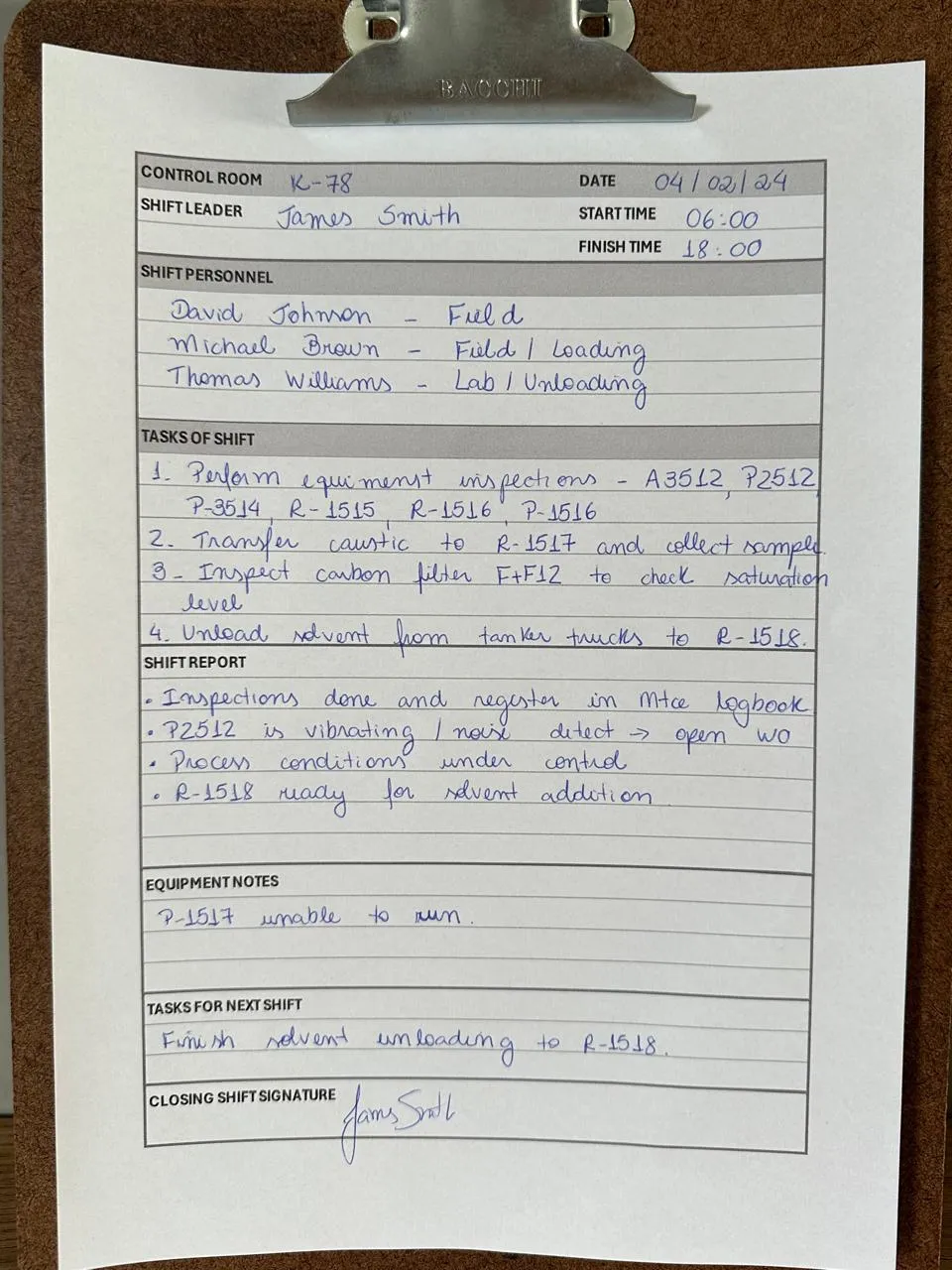 Image 1 – A traditional industrial Shift Logbook.
Beyond documentation, a shift logbook plays a crucial role in preserving tribal knowledge, which refers to the expertise, best practices, and insights held by experienced employees that are often undocumented. In industrial settings, much of this knowledge is passed down verbally or learned through on-the-job experience, making it vulnerable to loss due to retirements, workforce turnover, or operational changes.
A structured shift logbook reduces reliance on individual employees by standardising the capture of critical observations, troubleshooting steps, and operational adjustments. It also ensures that essential knowledge is accessible to new hires, enhances workforce training, and strengthens business continuity.
What Should a Shift Logbook Include?
A well-structured shift logbook ensures continuity, clarity, and accountability by capturing all critical operational details and making routine management smoother. It should document routine updates, critical observations, troubleshooting steps, and operational adjustments to support informed decision-making and continuous improvement.
Key elements include:
-
Process Conditions and Deviations: Record fluctuations in temperature, pressure, flow rates, or other key parameters that may impact operations.
-
Work in Progress and Pending Tasks: Document ongoing production activities, unfinished work, and priority actions for the next shift.
-
Equipment Status and Maintenance Actions: Log equipment performance, breakdowns, maintenance work, ongoing work permits and any required follow-ups. Include any troubleshooting steps taken and adjustments made to restore functionality.
-
Safety Incidents and Near Misses: Capture any safety-related events, corrective actions taken, and preventive measures implemented. Document any observations that could help avoid future incidents.
-
Production Updates and Quality Concerns: Note any issues with product specifications, raw materials, or deviations affecting quality. Include operational adjustments made to correct or mitigate issues.
-
Handover Notes: Provide critical updates, ongoing challenges, and essential information for the incoming shift,ensuring continuity in operations.
-
Responsibility and Signatures: Identify team members involved and include supervisor approvals to ensure accountability.
A clear and standardised format prevents miscommunication, enhances safety, and improves operational efficiency, ensuring that essential information and tribal knowledge are preserved.
The Problem with Traditional Logbooks
Despite their importance, traditional logbooks, whether handwritten or in spreadsheets, often create more problems than they solve. Missing or unclear entries lead to misunderstandings, while manual logs are prone to errors and delays. Retrieving past records can be difficult and, in many cases, impractical. As a result, teams struggle to analyse historical data without real-time access and make quick, informed decisions.
Another major challenge is the lack of integration. Isolated logbooks result in information silos, making it hard to connect shift data with other operational systems. Although traditional logbooks can technically capture and preserve tribal knowledge, the challenge lies in retrieval and usability—valuable insights become buried in stacks of paper or scattered across multiple Excel files, making them inaccessible when needed.
As industries move toward data-driven decision-making, these inefficiencies highlight the need for a more scalable, integrated, and intelligent approach to shift logging.
Transition to Digital Logbooks
Transitioning from traditional to digital shift logbooks not only addresses many of the inefficiencies created by paper-based and spreadsheet-based systems. A digital logbook ensures consistency, improves accessibility, and integrates shift data into a centralised system, thereby allowing for more structured and actionable insights.
A digital shift logbook built in a digital platform like Cyzag effectively eliminates these challenges by:
-
Standardising entries to ensure easy data entry and consistent and accurate data capture.
-
Providing real-time access to information, improving visibility and decision-making with colour coding.
-
Integrating data across systems, streamlining operations and reducing information silos.
-
Ensuring consistency in reporting, which enhances compliance and tracking through audit trails.
-
Improving accessibility, making it easier for teams to search, retrieve and share critical data.
-
Providing automated insights, helping to detect anomalies early and prevent small issues from escalating into major disruptions.
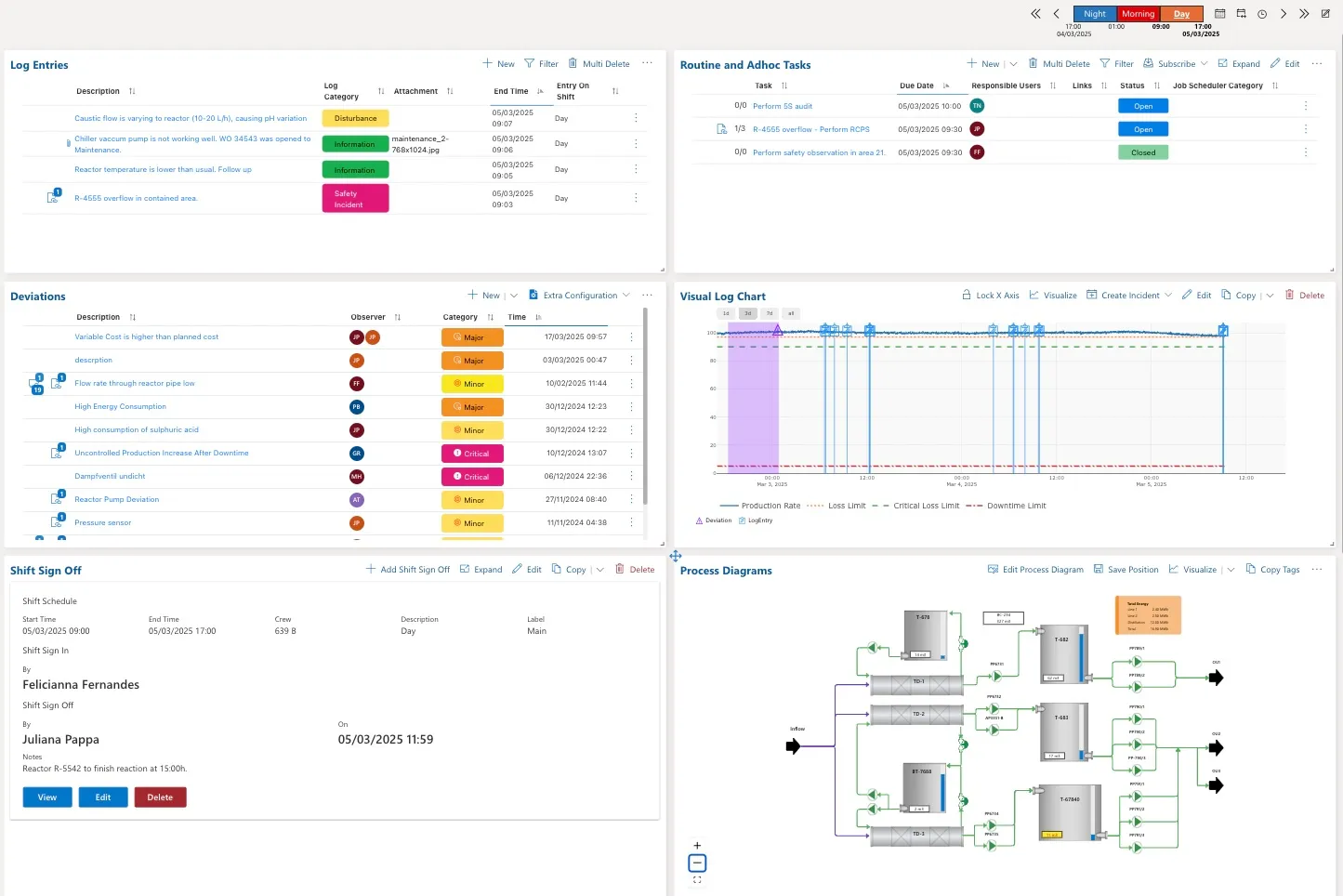 Image 2 – Digital Shift Logbook within Cyzag platform.
One key advantage of digitalisation is enhanced knowledge retention and retrieval. While traditional logbooks may capture valuable tribal knowledge, retrieving that information when needed is often impractical. However, digital and AI-powered logbooks solve this problem by structuring data, making it searchable, and providing intelligent insights.
By adopting digital shift logbooks, industries can move beyond simple record-keeping to a more intelligent, data-driven approach to shift management. This improves efficiency and collaboration and drives long-term operational success.
Best Practices for Implementing a Digital Shift Logbook
To ensure a smooth transition to digital shift logging, organisations should:
-
Design user-friendly logbooks that prioritise ease of use and accessibility for operators.
-
Engage end-users in the shift handover processes to increase adoption and efficiency.
-
Standardise logbook formats so that all teams follow the same structured approach.
-
Integrate with existing systems to enhance data flow and maximise value.
-
Provide training and ongoing support to help teams adapt and use digital logbooks effectively.
-
Monitor and audit regularly, adjusting the logbook structure as needed. A no-code platform allows for quick modifications while maintaining role-based permissions, empowering people to own it.
-
Leverage AI-powered insights to detect patterns, optimise workflows, and preserve critical knowledge.
A well-designed digital shift logbook streamlines operations and ensures that critical information is accurately recorded, easily retrieved, and consistently applied within the organisation, preventing the loss of tribal knowledge.
Conclusion
A shift logbook is more than just a record; it ensures seamless handovers, improves accountability, and maintains operational efficiency. However, manual logbooks often lead to miscommunication, inefficiencies, and difficulty retrieving critical information, making operations less effective. Without structured documentation, teams easily lose tribal knowledge, which hinders knowledge transfer and workforce continuity.
In contrast, digital shift logbooks standardise entries, integrate real-time data, and enhance safety and compliance while reducing errors and inefficiencies. They also preserve critical insights, troubleshooting steps, and operational adjustments, making knowledge retrieval effortless and improving decision-making.
Cyzag’s AI-powered digital shift logbook goes beyond record-keeping. Its intuitive, no-code platform allows teams to customise workflows, streamline shift handovers, and ensure data-driven decision-making without IT support. With intelligent search capabilities, teams can quickly retrieve information, preserving operational expertise and driving continuous improvement.
Discover how Cyzag can simplify and optimise your shift logging process—get in touch today.
Follow Cyzag on LinkedIn for new articles and stories.