How Digitalisation Helps Process Engineers to be More Efficient
Understand how digitalisation helps Process Engineers be more efficient in solving key challenges in the Chemical, Oil and gas, Mining, and Plastics Industries.
Updated 22 May 2025 7 min read
Understand how digitalisation helps process engineers to be more efficient in solving key industry challenges, improving collaboration and boosting work efficiency.
Process engineers are vital to industrial operations, driving safety, efficiency, and profitability in industries like chemicals, oil and gas, mining, and plastics. In the US alone, over 249.186 process engineers are currently working, showcasing the immense opportunity to improve efficiency and make their time more productive. Yet, they constantly juggle complex tasks, fragmented workflows, and the pressure of balancing daily demands with long-term goals. Siloed data, reactive problem-solving, and poor collaboration often leave little room for strategic progress.
Digitalisation transforms these challenges, enabling engineers to work smarter, not harder. This blog explores the key hurdles process engineers face and how digital tools, like the Cyzag platform, can help overcome them.
The 5 Daily Struggles of Process Engineers
Process engineers operate in dynamic, high-pressure environments where their responsibilities extend far beyond technical optimisation. Let’s explore their most significant challenges:
1. Reactive Work Overload
Process engineers often find themselves caught in a cycle of reactive tasks such as responding to equipment failures, troubleshooting operational issues, and meeting urgent reporting deadlines. These demands leave little time for strategic efforts like process improvement, innovation, or long-term planning.
A lack of process stability is a major driver of reactive work. Fragmented data systems and manual tracking hinder access to real-time insights, making extracting actionable information from vast amounts of process data challenging. Complex legacy systems further isolate process analytics, keeping valuable insights out of reach for the shop floor. This reliance on engineers to make centralised decisions delays response times, amplifies inefficiencies, and undermines operational stability. It also reduces shop floor engagement and accountability, disconnecting teams from decision-making.
2. Disconnected Data and Time-Consuming Reporting
Reporting is a critical responsibility for process engineers, yet fragmented data systems often hinder it. Process engineers are expected to make numerous data-driven decisions, making data collection and reporting a critical part of their role. However, fragmented data systems often hinder this process, preventing the shop floor from taking ownership of decisions and consequently overloading engineers.
Process data is frequently siloed across multiple platforms, spreadsheets, or paper logs, making it challenging for engineers to access the necessary information. They must spend significant time searching for and consolidating data from disparate sources to generate reports on key metrics like asset utilisation, raw material consumption, and process deviations.
These manual and time-intensive tasks reduce efficiency and are prone to errors, undermining decision-making and trust in the data. Furthermore, scattered data makes it challenging to perform benchmarking and propose actionable improvements, limiting opportunities for optimisation.
3. Inefficiencies in Cost Management and Asset Utilisation
Process engineers are constantly pressured to reduce manufacturing costs, such as raw materials and energy consumption while ensuring profitability and competitiveness. Simultaneously, optimising asset utilisation for batch and continuous processes is vital for maintaining efficiency and maximising the use of capital-intensive equipment.
Achieving these objectives demands thorough process analysis, bottleneck elimination, close monitoring of cost drivers, and effective data use. Success also hinges on the shop floor’s understanding and adoption of solutions to ensure sustainable results—a challenge in many cases. Without the right tools, these efforts become time-consuming and error-prone and often fail to gain the necessary buy-in from operational teams.
4. Cross-Functional Collaboration Challenges
Process engineers must coordinate with multiple teams, including operations, maintenance, quality control, corporate technical teams, and upper management. Communication tools like email and static spreadsheets often hinder real-time updates, creating bottlenecks, misalignment, and delays.
5. End-of-Project Handover Issues
Project closeouts frequently encounter challenges due to unclear ownership or operational teams’ poor adoption of delivered systems. Engineers often find themselves re-explaining or troubleshooting systems that should have been handed off, even when proper change management has been done.
How Digitalisation Eases the Burden of Process Engineers
Digitalisation provides powerful tools to tackle these challenges. It allows process engineers to focus on strategic initiatives while maintaining operational efficiency and fostering stronger, more collaborative connections with the shop floor. The Cyzag platform offers a unified, AI-driven solution that digitalises operations and seamlessly integrates process analytics into daily workflows. It empowers engineers to act as citizen developers, creating impactful solutions faster and valuing operational knowledge.
1. Reducing Reactive Work
Cyzag minimises reactive tasks by enabling real-time monitoring of key variables, with deviations detected and communicated visually and intuitively. The platform’s user-friendly design ensures not only engineers but also shop floor operators can easily interact with it, empowering them to take proactive corrective actions before issues escalate.
With tools like Process Analytics, Parameter Drilldown, SPC, and Problem-Solving tools, Cyzag equips operational teams to address challenges collaboratively. Its no-code capabilities allow engineers to act as citizen developers, rapidly designing custom solutions that integrate shop-floor expertise and foster distributed decision-making engagement.
Key Benefits:
-
Real-time monitoring and event detection for proactive issue resolution, improving process stability.
-
Integrated SPC tools, including control charts, Pareto charts and histograms.
-
User-friendly interface accessible to both engineers and operators.
-
Root cause analysis with 5 Whys and Ishikawa Diagrams.
-
Improved response times, accountability, and collaboration.
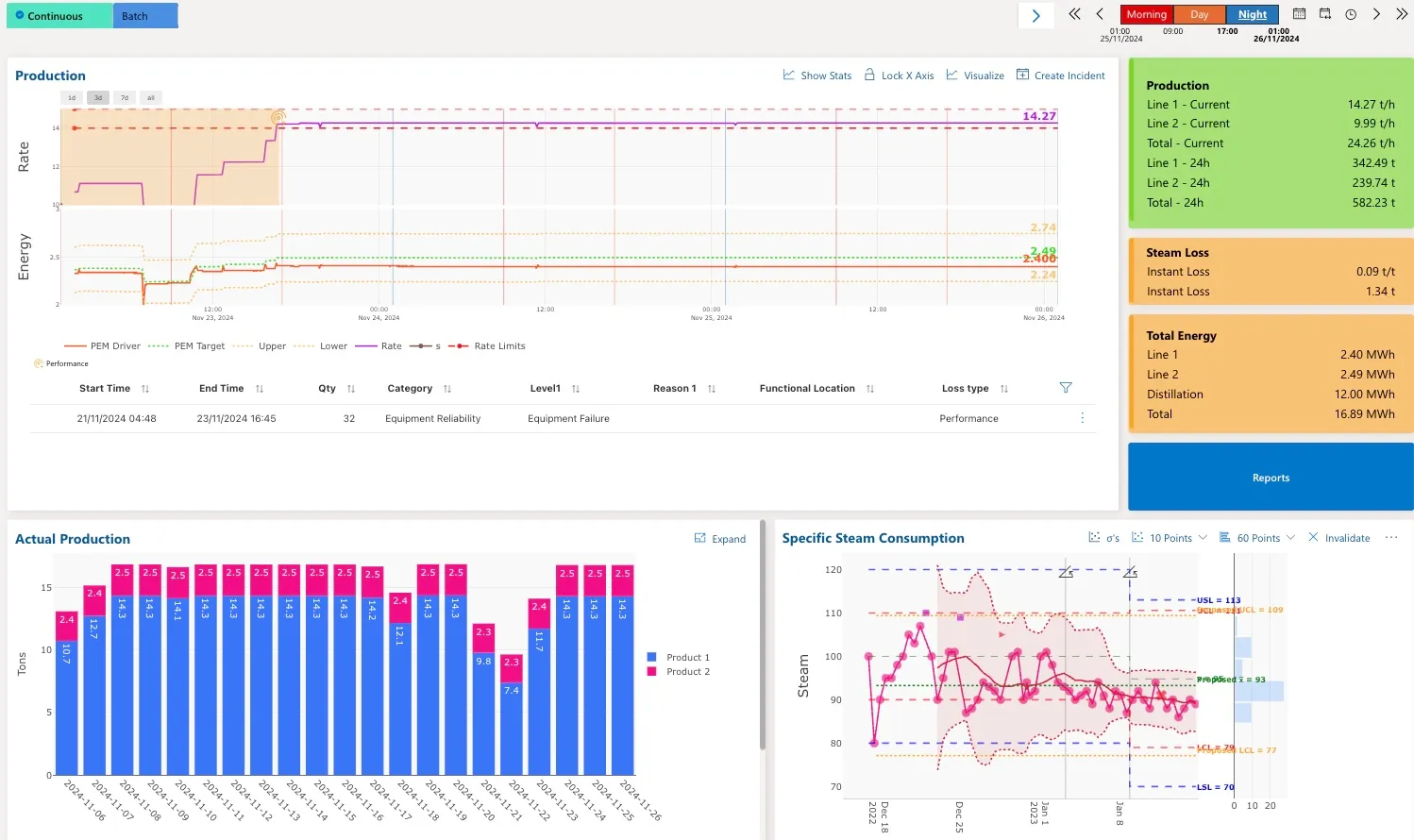 Image 1. Real-time data monitoring, event detection, and control charts are available within the Cyzag platform.
2. Centralised Data and Easy Reporting
Cyzag consolidates fragmented data into a unified platform, connecting systems like historians, ERPs, legacy MES, Rest API, and SQL Adapters. Engineers can easily generate automated reports on key performance indicators (KPIs) and historical data, saving time and enhancing accuracy. The platform also supports benchmarking to identify improvements and optimise operations.
Key Benefits:
-
Unified data hub for seamless access.
-
Automated, accurate reporting.
-
Reduced manual data consolidation.
-
Simplified benchmarking for actionable insights.
-
Reduced workload for process engineers by empowering shop floor decision-making.
-
A valued, engaged, and accountable shop floor team.
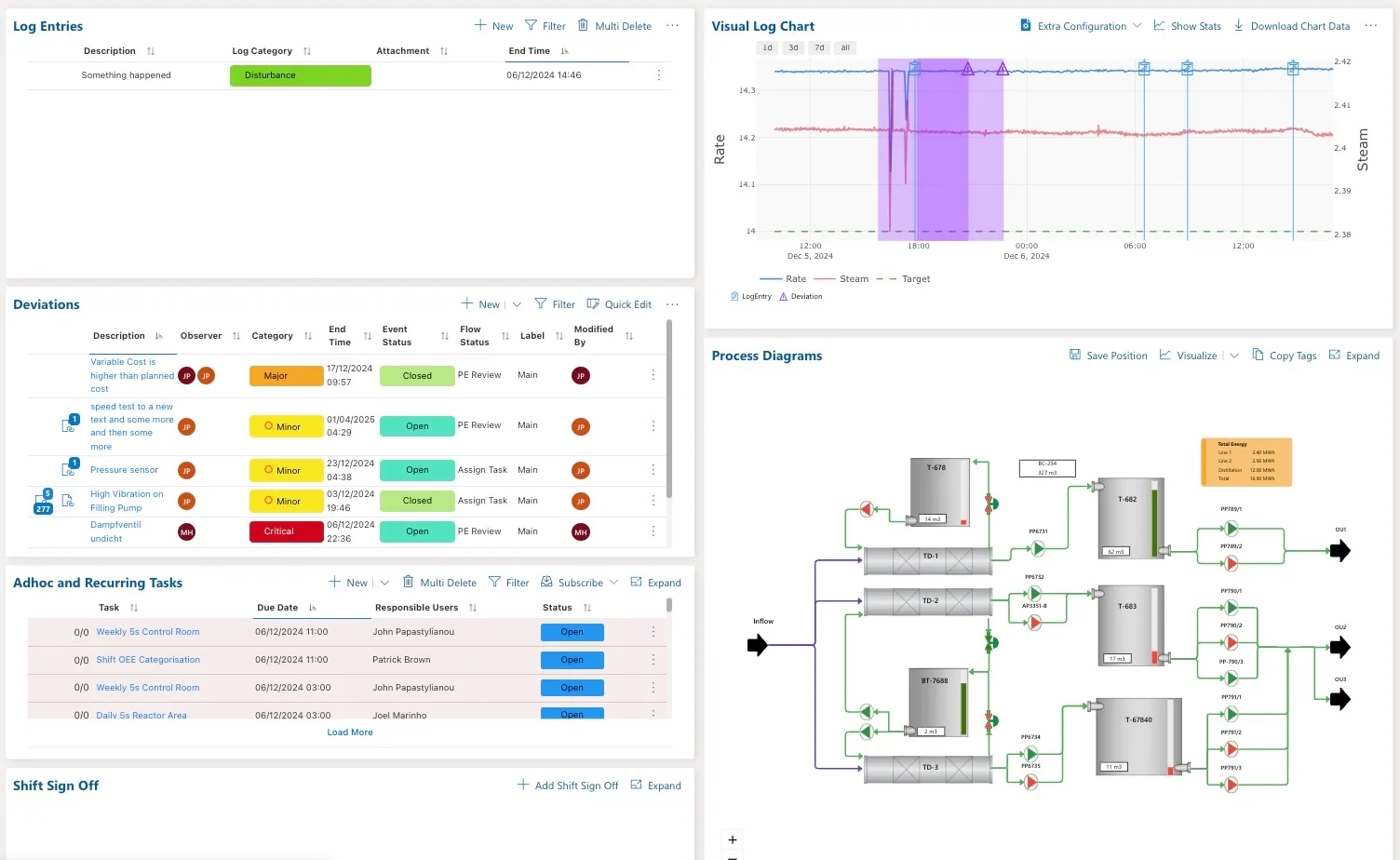 Image 2. Shopfloor data, deviations and actions – a central hub in the Cyzag platform.
3. Optimising Costs and Asset Utilisation
Cyzag tracks variable costs and asset utilisation while providing real-time OEE monitoring for both batch and continuous processes. Detecting abnormalities early empowers plants to enhance operational excellence through practices like SIC (Short Interval Control), enabling cost savings and effective performance loss management.
Key Benefits:
-
Automated OEE measurements for batch and continuous processes.
-
Alerts for early detection of performance issues.
-
Real-time monitoring of raw materials and utility consumption.
-
Insights to reduce manufacturing costs and maximise efficiency.
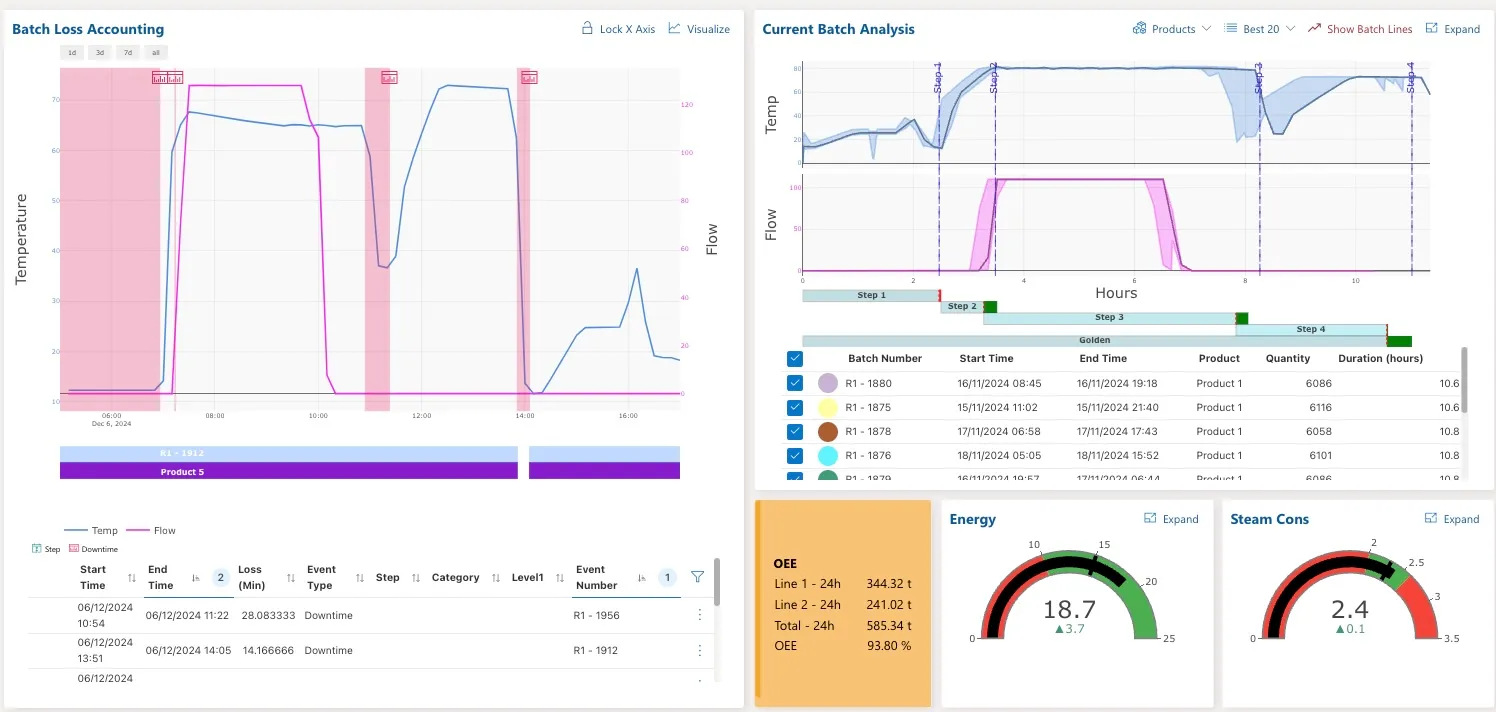 Image 3. Online OEE measurement, batch analysis and loss accounting in the Cyzag platform.
4. Enhancing Collaboration and Cross-Functional Alignment
Cyzag’s centralised workspace enables real-time updates, task assignments, and progress tracking, ensuring transparency and alignment across departments and making it easy to achieve consensus. It reduces bottlenecks, fosters accountability, and improves operational efficiency by providing a unified communication platform.
Key Benefits:
-
Real-time collaboration tools, including OKRs setting and performance boards.
-
Transparent task tracking for accountability and ownership.
-
Centralised documentation to minimise miscommunication.
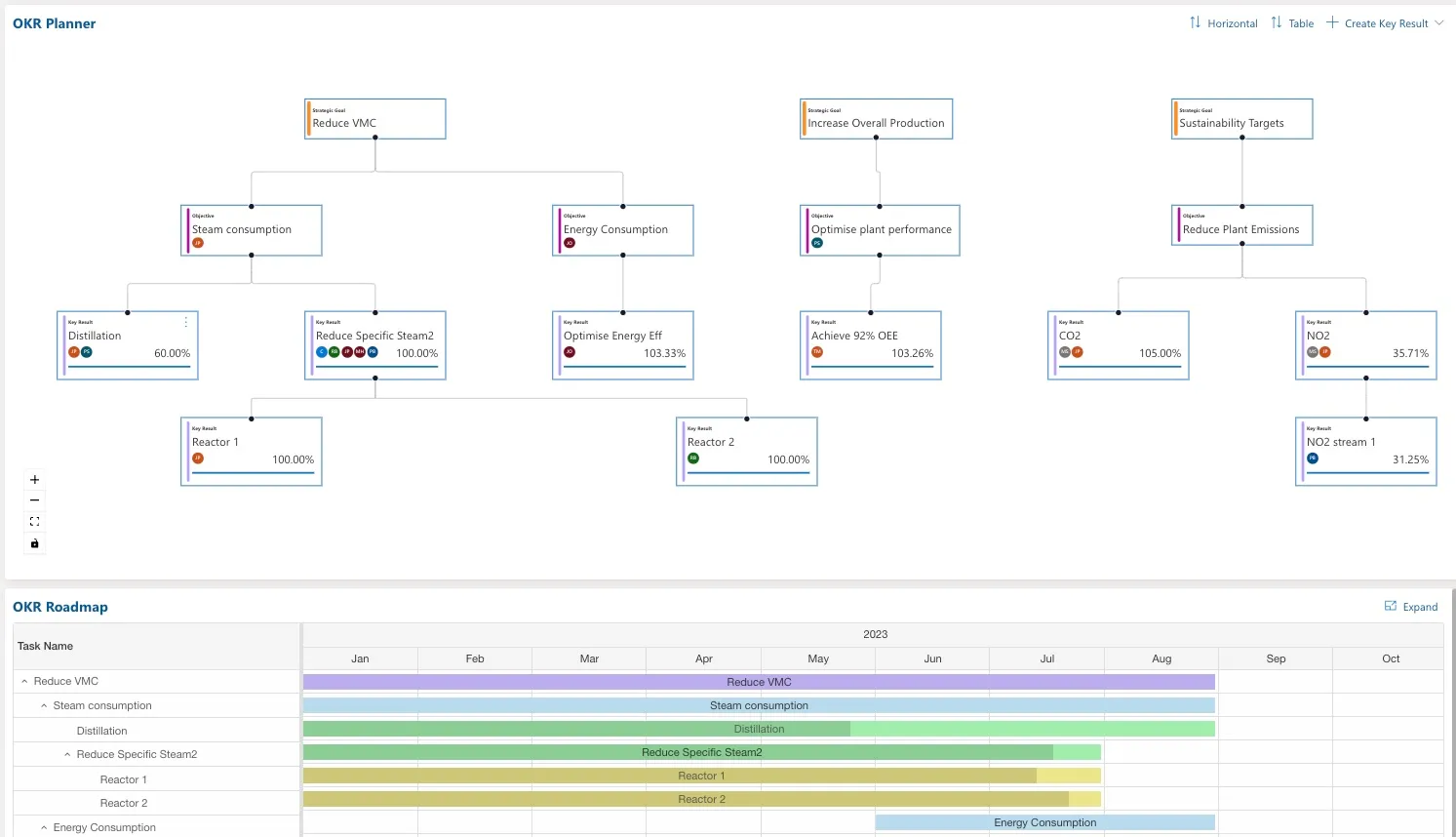 Image 4. OKR planning and roadmap within the Cyzag platform.
5. Streamlining Project Delivery and Ownership
Cyzag integrates project improvements directly into daily routines, ensuring quick adoption and sustained results. It supports proper and transparent change management with tools for tracking and managing improvements. The platform’s intuitive workflows and task-specific ownership reduce reliance on engineers post-delivery, empowering teams to execute and sustain improvements effectively. Cyzag ensures every project milestone is visible and actionable, fostering team accountability and collaboration.
Key Benefits:
-
A unified platform integrating project improvements into daily routines.
-
Comprehensive tools for change management and project tracking (PDCA, A3, Gantt Charts, etc.).
-
Transparent workflows that enhance accountability and ownership.
-
Reduced reliance on engineers for troubleshooting and long-term success.
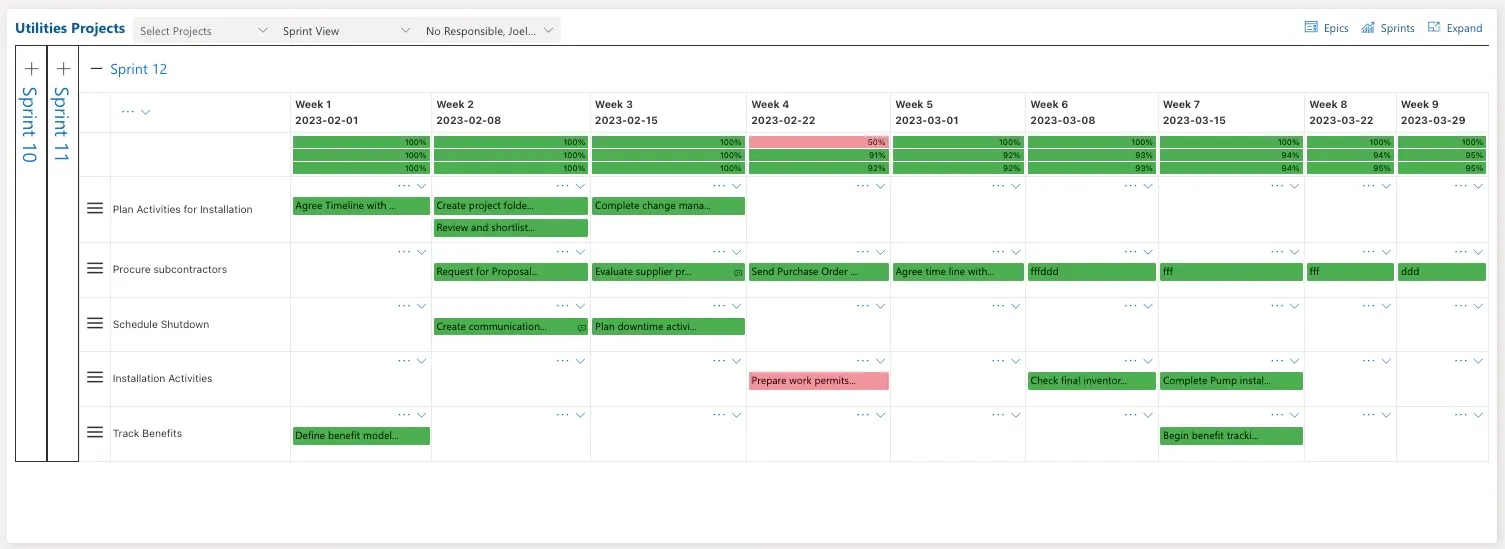 Image 5. Tools for project tracking in the Cyzag platform.
Cyzag: A Game-Changer for Process Engineers
Process engineers face pressure to manage their responsibilities while driving improvements and innovations. The challenges of process variation, data fragmentation, time scarcity, collaboration difficulties, and improvement handovers often leave little room for strategic focus. By addressing these pain points, Cyzag empowers engineers to reclaim their time, work smarter, and deliver sustainable results. Its integrated approach to industrial digitalisation ensures teams collaborate and your organisation operates more effectively than the sum of its individual parts.
Digitalisation is no longer optional in today’s fast-paced industrial environment—it’s a necessity. With Cyzag, process engineers in the chemical, oil and gas, mining, and plastics industries can unlock their full potential and deliver value across the entire organisation.
The path to better processes, stronger teams, and sustainable growth starts here. Book a demo to see how the Cyzag platform can impact your routine.
If you want to start digitalisation in your organisation, download our whitepaper, Digitalisation in Industry: How to Get Started and explore the step-by-step.
Follow Cyzag on LinkedIn for new articles and stories.